
Biochar carbon removal
Biochar is the durable carbon removal method that already dominates the market, with Microsoft and Google among its largest buyers. Pyrolysis converts waste biomass into stable carbon that stays locked away for centuries. Credits are lab-verified batch by batch, start near €100 per tonne, and count as durable removal under all major standards.


of all durable carbon removal contracted in early 2026 was biochar. Every one of the five largest deals in Q1 used it.
Overview
What you need to know about biochar

Plants capture CO2 through photosynthesis; pyrolysis converts the biomass into stable carbon.

100 to 1,000+ years, set by production temperature and the resulting H/C ratio. The most condensed forms are geologically stable.

€100 to €210 per tonne, around €130 on the Nasdaq/Puro benchmark.

93% of durable carbon removal contracted in Q1 2026; about 86% of all durable removal delivered in 2024.

High. Carbon stability is measured in the lab for every production batch.

Puro.earth, Carbon Standards International (EBC), Verra VM0044, Isometric, Climate Action Reserve.

Removal with long-lived storage, Category V under the Oxford Offsetting Principles.
How it works
Science
Biochar stores carbon for anywhere from a century to several thousand years, depending on how it is made. Here is where that carbon comes from, what makes it stable, how that stability is graded, and what researchers are still working out.
How photosynthesis captures the carbon
Every tonne of biochar starts as a plant pulling CO2 from the air. The carbon Senken sells was in the atmosphere a season or two ago, which is what makes this removal rather than avoidance.
How pyrolysis makes it permanent
Heating biomass without oxygen drives off the volatile parts and leaves the carbon behind, rearranged into stacked aromatic rings. Microbes that would happily eat fresh plant matter cannot easily break down that structure, so the carbon resists decay for centuries instead of returning to the air in a few years.
How stability is measured
The standard test is the H/Corg ratio, the amount of hydrogen relative to organic carbon, which tracks how far the material has condensed into those stable rings. Lower means more stable. The main standards certify at an H/Corg below 0.7; below 0.4 is considered highly stable. Since around 2024, researchers have added random reflectance (Ro), the same optical method geologists use to grade coal, to identify the fraction of a biochar that is effectively geological carbon.
What is still being worked out
Not all biochar is equal, and the permanence science is still maturing. A 2025 review flagged that the H/C ratio alone can misjudge stability, and that current models may understate permanence by treating the inert fraction as if it decays like fresh biomass.
Key research

Found biochar carbon dense enough to register as inertinite, the fossil carbon that survives millions of years. Of the commercial samples tested, 76% met the benchmark.
Sanei et al. — 2024Dug biochar out of a Tuscan vineyard 15 years after it was applied. The stable fraction was virtually unchanged.
Chiaramonti et al. — 2024Showed the industry-default H/C ratio can misjudge stability in both directions, and argued for pairing it with random-reflectance and hydropyrolysis measurements.
Petersen & Sanei — 2025of the carbon is still stored after 100 years. And that is the worst case, not the average: the European Biochar Certificate assumes biochar loses 0.3% of its carbon every year, the most conservative model in wide use.
Source: European Biochar Certificate
Market and price
The first quarter of 2026 was the biggest durable carbon removal has ever had: 2.3 million tonnes contracted, roughly five and a half times the same quarter a year earlier, and nearly all of it biochar. The buyers are the companies with the biggest net-zero commitments.
Microsoft
has contracted 1.24 million tonnes over ten years with Exomad Green in Bolivia, the largest biochar deal on record.
has committed to 100,000 tonnes through 2030 with Varaha in India.
Swiss Re, BCG and JPMorgan
have all bought at volume.
of durable removal contracted in Q1 2026 was biochar (CDR.fyi)
contracted in Q1 2026, a record quarter (CDR.fyi)
per tonne, the 2026 benchmark average (Nasdaq/Puro CORC index)
Durable removal prices, 2026
€ per tonne of CO2 removed
Biochar
Artisanal
Global South
German & European
Other durable methods
ERW
DAC
Biochar carbon removal costs from €100 to €210 per tonne. The price depends mostly on permanence (the higher it is, the more expensive), type (artisanal or industrial) and geography (European projects cost more). German and European biochar runs around €189 to €210, the Global South €150 to €200, and artisanal biochar €100 to €150. On the Nasdaq/Puro benchmark, the average price in 2026 is €130.
Compared with the other durable removal methods (direct air capture at €350 to €500 and up, enhanced rock weathering at €185 to €300), biochar is the most accessible and, just as important, the most scalable so far. Direct air capture is typically sold out for the next five years, while biochar already has the capacity to deliver large volumes to companies that need to reach carbon neutrality or net zero by 2030.
Sources: Senken price analysis database, Sylvera pricing benchmark, Nasdaq/Puro benchmark.
Projects
Senken works with the highest-rated biochar projects worldwide, for corporate buyers including Lufthansa, Vodafone and DZ Bank. These are some of our flagship projects, with the full range available on the platform.
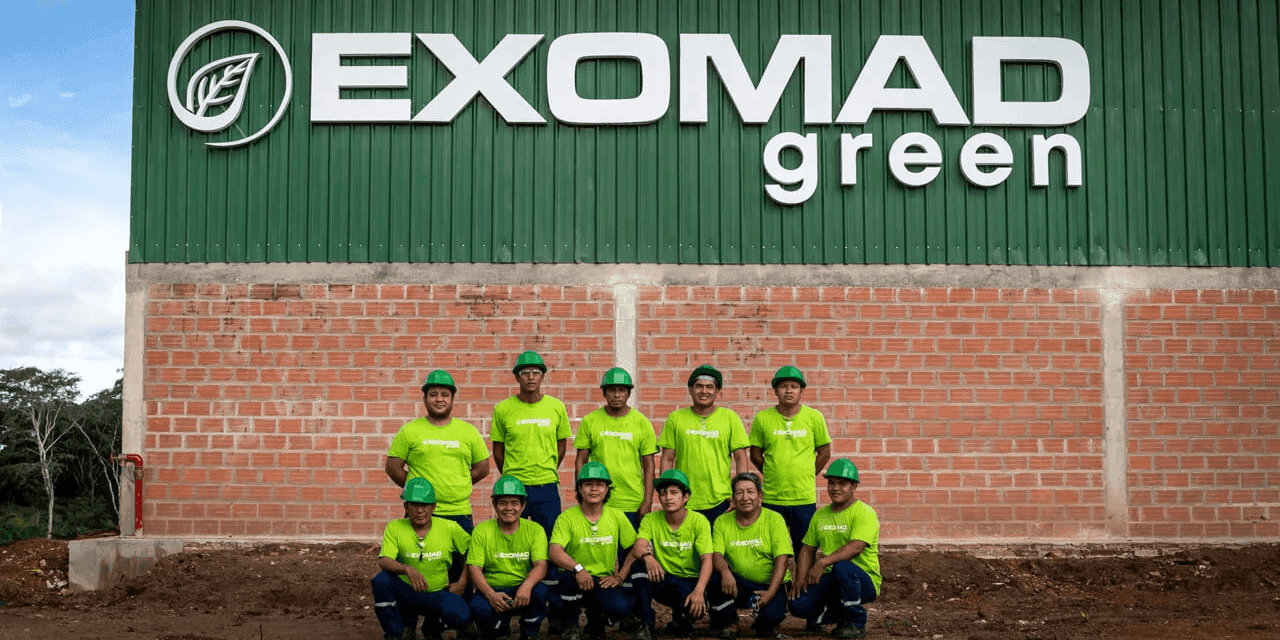
 Bolivia

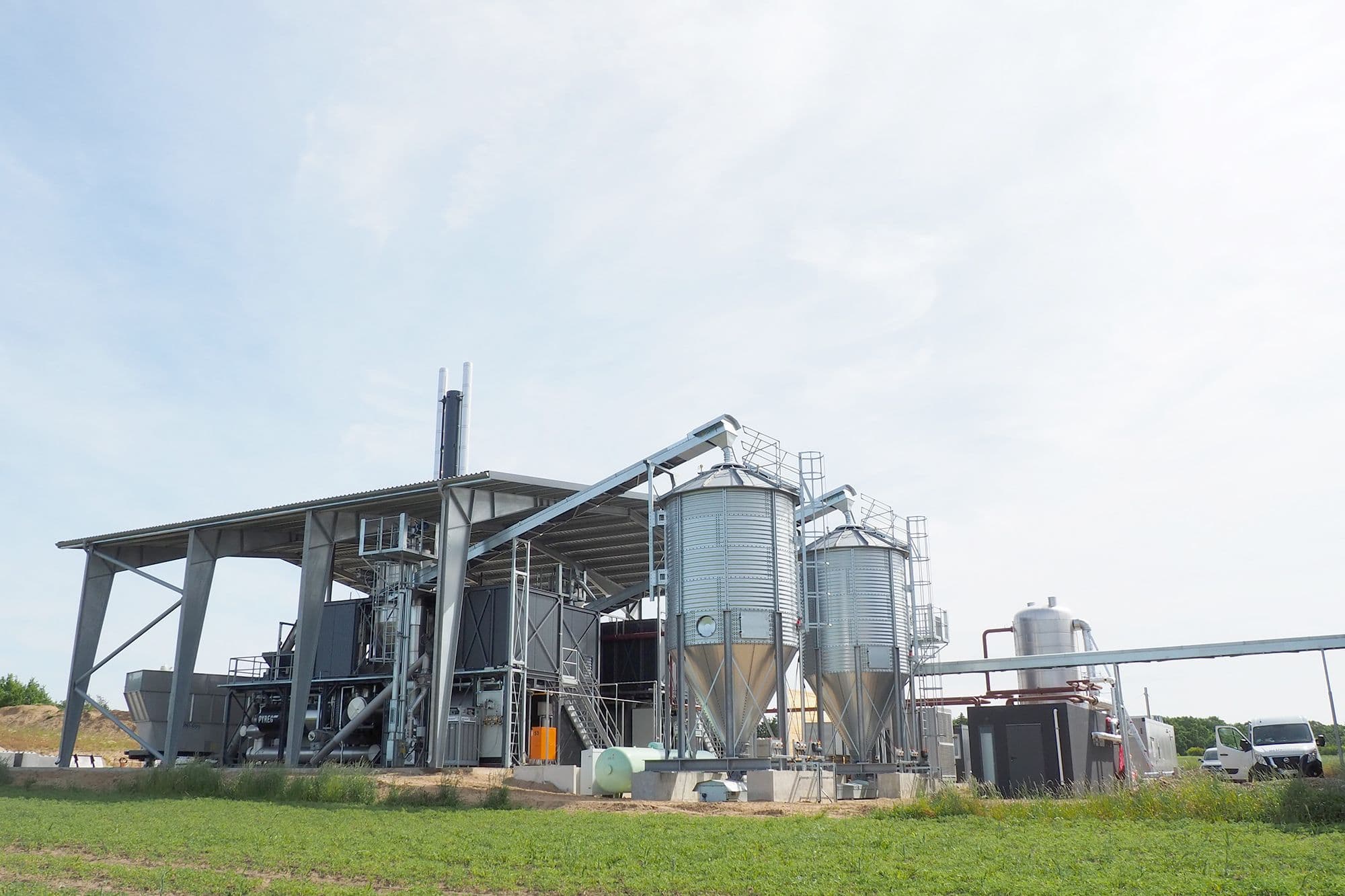
 Germany
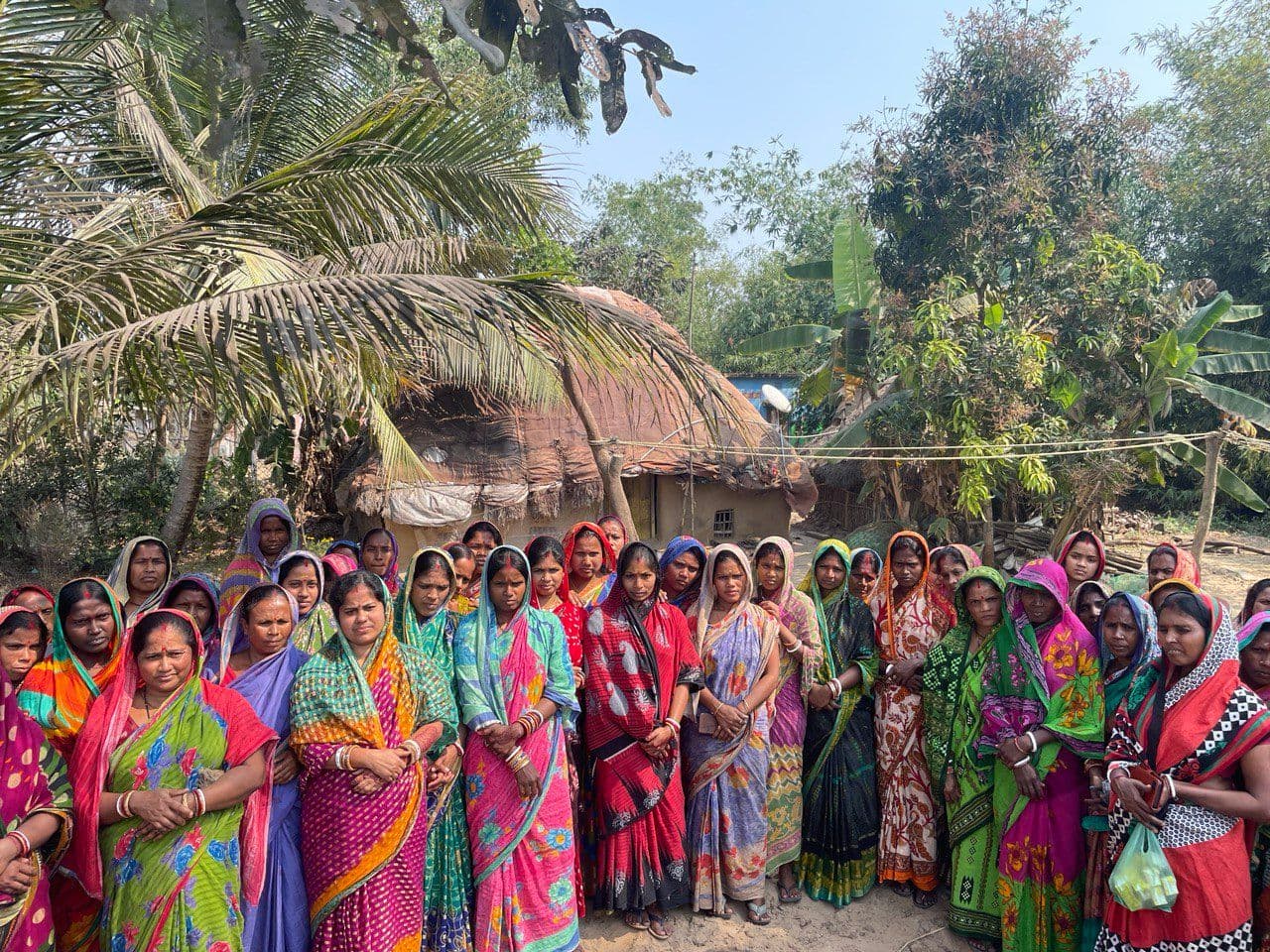
 India
India
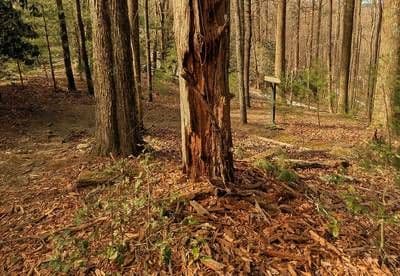

Procuring high-quality carbon removal for industry leaders











Build a biochar portfolio that stands up to audit
Senken curates portfolios from the highest-rated biochar projects, and has already closed one of the largest biochar deals in the world. Tell us your target volume, budget and compliance requirements, and we procure the portfolio for you.
Compliance
Biochar qualifies as durable removal under the SBTi Corporate Net-Zero Standard, is disclosed as a removal under CSRD, and is now one of the first methods certifiable under the EU's own removals framework.

SBTi
Under the Corporate Net-Zero Standard, durable removals are what neutralise the residual emissions a company cannot cut. Version 2.0, published in June 2026 and effective from February 2027, leans further into durable storage: from 2035, larger companies must cover a rising share of their remaining long-lived emissions with durable removals, starting at 10% and climbing to 100% by their net-zero year. Companies building biochar offtakes now are positioning ahead of that ramp rather than scrambling into a tight market later.

CSRD / ESRS E1-7
Purchased removals are disclosed on their own, separate from gross emissions, with their volume, registry, durability, and quality attributes stated, and are never netted against gross emissions. That disclosure is only as strong as the paperwork behind it, which is why every Senken purchase comes with the audit trail attached.

EU CRCF
Biochar is among the first permanent-removal methods certifiable under the EU Carbon Removals Certification Framework, alongside direct air capture with storage and bioenergy with carbon capture. The framework entered into force in December 2024, the biochar methodology was adopted in February 2026, and the delegated act carrying it entered into force on 7 May 2026. Certification applies to EU-based projects; credits from outside the EU remain fully reportable under CSRD E1-7.
Standards
Several voluntary registries certify biochar. Puro.earth and Isometric are carbon-removal-native registries and usually where the highest-quality projects sit, though good projects show up on the other registries too.
The market leader by volume, and the registry behind Microsoft's landmark Exomad offtake. Issues CORCs certified to a 200-year horizon, with a 10% buffer held back on every batch.
European in origin, run by Carbon Standards International, and the first biochar carbon-sink standard in the world. Uses the most conservative permanence model in wide use, assuming 0.3% of the carbon decays each year.
The same Carbon Standards model adapted for smallholder producers, with lighter-weight measurement and deep community co-benefits.
The biochar methodology on the world's largest carbon registry, covering both soil and non-soil uses; credits are issued as VCUs.
Science-led, and the only protocol issuing biochar credits rated for 1,000-year durability, proven with random-reflectance analysis.
A US and Canada focused registry whose biochar protocol carries the CCP label.
A European removal registry aligned with CSRD reporting; its programme became eligible for the ICVCM's Core Carbon Principles in early 2026.
Comparison
Biochar is the only method that is both durable enough to count as long-term, permanent removal and cheap enough to buy at scale right now. It costs more than short-term, nature-based removals, but those do not count as durable under the SBTi net-zero standard, the Oxford offsetting principles, or the coming rules likely to require companies to source a set share of durable removal. Unlike direct air capture, which has high permanence but delivers no co-benefits, biochar improves soil health, rural income and energy. The full breakdown across every method is below.
| Method | How it stores carbon | Permanence | Reversal risk | MRV maturity | Price €/t (2026) | At scale today | IPCC scale potential | Maturity (TRL, 2026) | SBTi / CSRD fit | Land footprint | Co-benefits |
|---|---|---|---|---|---|---|---|---|---|---|---|
| Nature-based | |||||||||||
| Afforestation / reforestation | Trees photosynthesise CO2 into biomass | Decades to centuries, reversible | High: fire, disease, land-use change; buffer-pooled | Moderate: remote sensing + field plots | €25–45 | Yes | 0.5–10 Gt/yr | 8–9, mature | Removal, temporary tier; CSRD-reportable | High: needs new land | Biodiversity, water, rural jobs |
| Soil carbon | Roots and residues build soil organic carbon | Years to decades, reversible | High: tillage, land-use reversal; buffer-pooled | Low, contested: sampling + modelling | €20–55 | Yes | 0.6–9 Gt/yr | 8–9, mature | Removal, temporary tier; CSRD-reportable | Low: works existing farmland | Yield, water retention, soil health |
| Engineered / durable | |||||||||||
| Biochar | Pyrolysis converts biomass to stable carbon | 100–1,000+ years | Very low: chemically stable; 10% buffer | High: batch lab analysis + digital MRV | €130–250 | Yes, strongest delivery record | 0.3–6.6 Gt/yr | 8–9, highest durable | Durable removal; SBTi-eligible; EU CRCF | Low: uses residues | Soil health, rural income, energy |
| Biomass storage | Waste biomass sealed from oxygen and decay | 100–1,000+ years | Low: anoxic isolation; site-dependent | High: mass balance + site monitoring | €120–170 | Emerging; scaling from 2027 | ~1–5 Gt/yr (early est.) | 5–7 | Durable removal; SBTi-eligible | Low: uses residues | Avoids residue burning |
| Enhanced rock weathering | Crushed silicate rock mineralises CO2 in soil | 10,000+ years, geochemical | Negligible: mineralised | Emerging: soil and water sampling, modelling | €185–300 | Limited | 2–4 Gt/yr | 4–6 | Durable removal; SBTi-eligible | Low: works existing farmland | Soil pH, crop yield |
| Bioenergy + CCS (BECCS) | Bioenergy plus captured CO2 stored geologically | 1,000+ years | Very low: geological | High: metered CO2 | €210–390 | Limited | 0.5–11 Gt/yr | 6–8 | Durable removal; SBTi-eligible | High: needs feedstock land | Dispatchable energy |
| Direct air capture (DACCS) | Chemically filters CO2, stored geologically | 10,000+ years | Negligible: geological | Highest: directly metered | €350–500+ | Very limited | 5–40 Gt/yr | 6–7 | Durable removal; SBTi-eligible; EU CRCF | Minimal | None |
Sources: Prices from Sylvera nature-based corridors and the OPIS Durable CDR Market Dynamics survey; permanence and IPCC scale potential from IPCC AR6 (Chapter 12, Table 12.6); TRL from 2026 readiness synthesis; SBTi Corporate Net-Zero Standard; ESRS E1-7.
Biochar carbon removal FAQ

Explore other removal methods
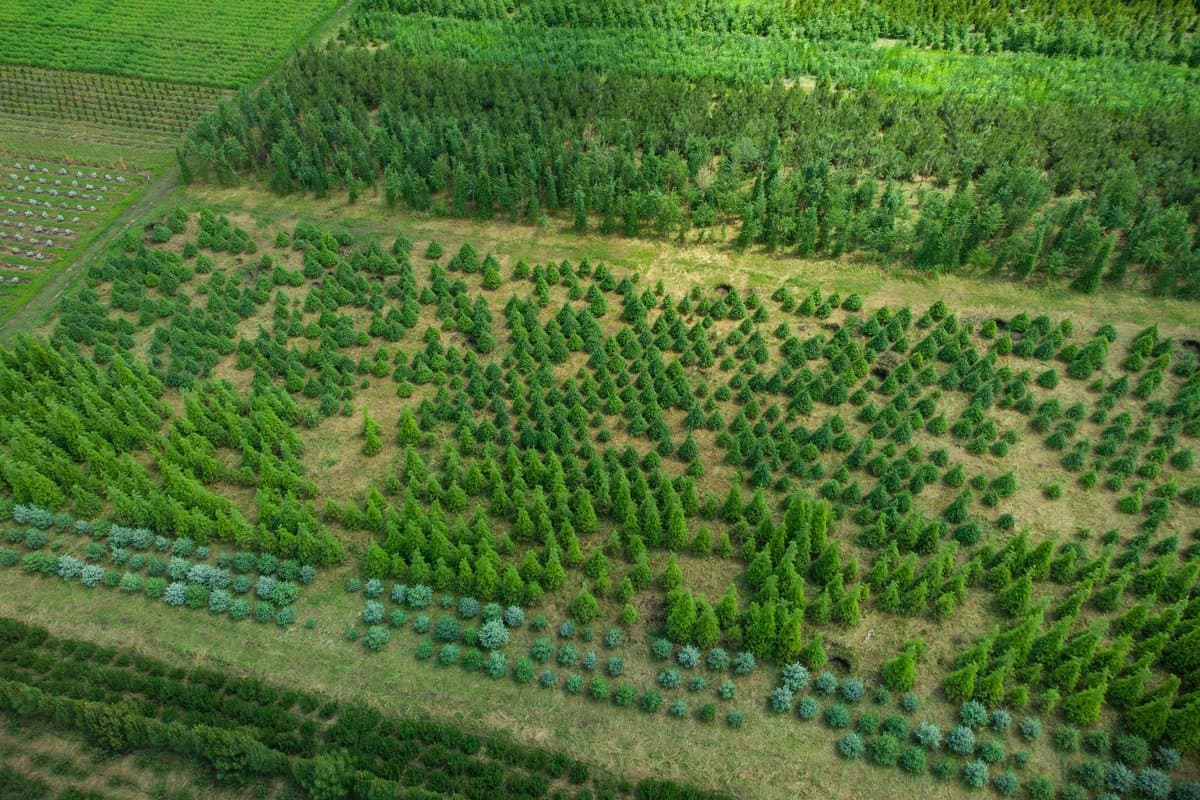
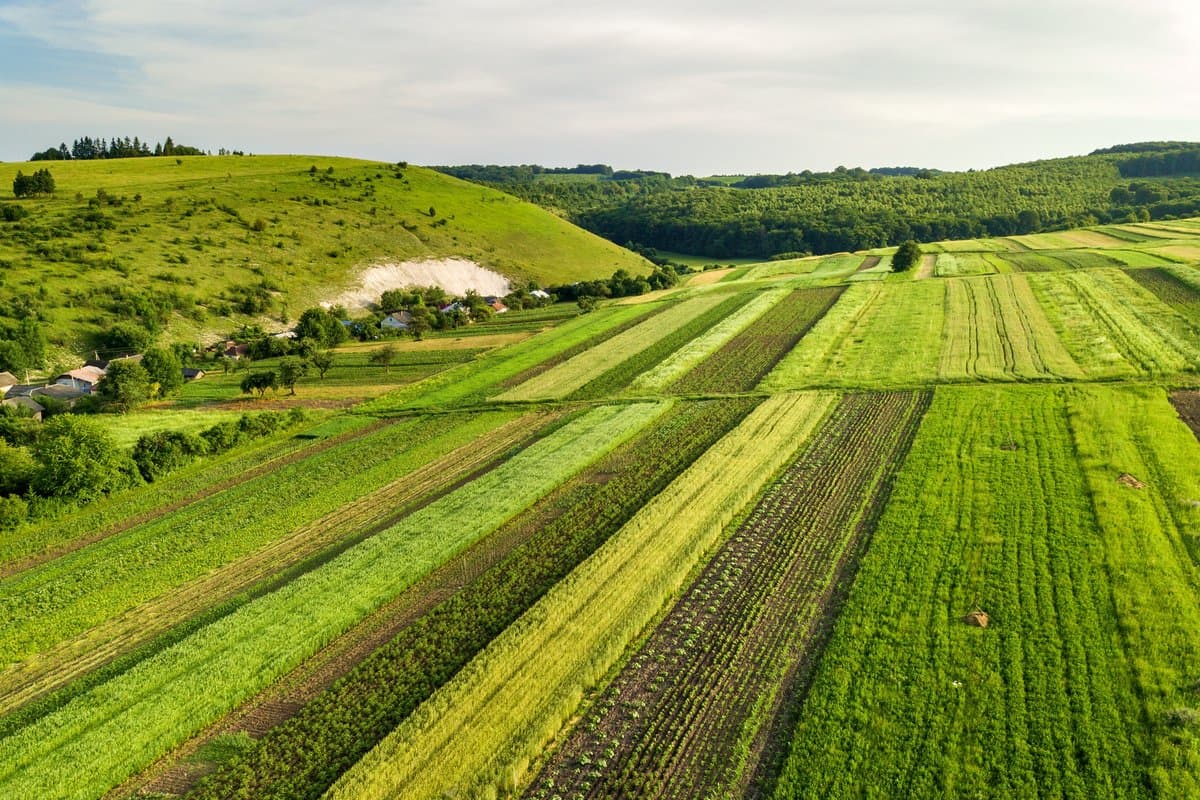
Afforestation, reforestation and revegetation
Trees and other woody vegetation remove CO2 and store it in wood, roots and soil. The most widely available removal method, with top-rated projects from about €25 per tonne.
Soil carbon
Farming practices move plant-captured carbon into agricultural soils. The lowest-cost removal method, scalable across existing farmland from about €20 per tonne.
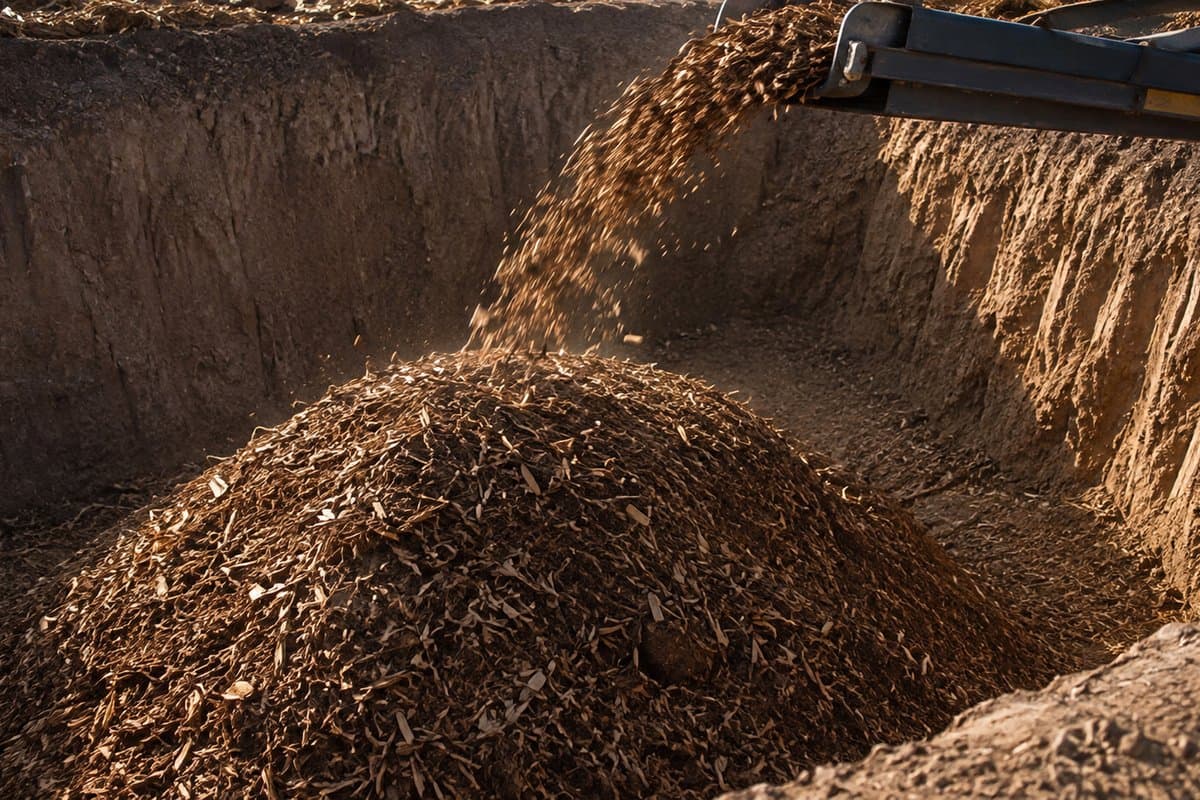
Biomass storage
Waste biomass is stored in conditions that slow or prevent decomposition. A simpler durable biomass pathway that avoids the capture equipment needed for BECCS.
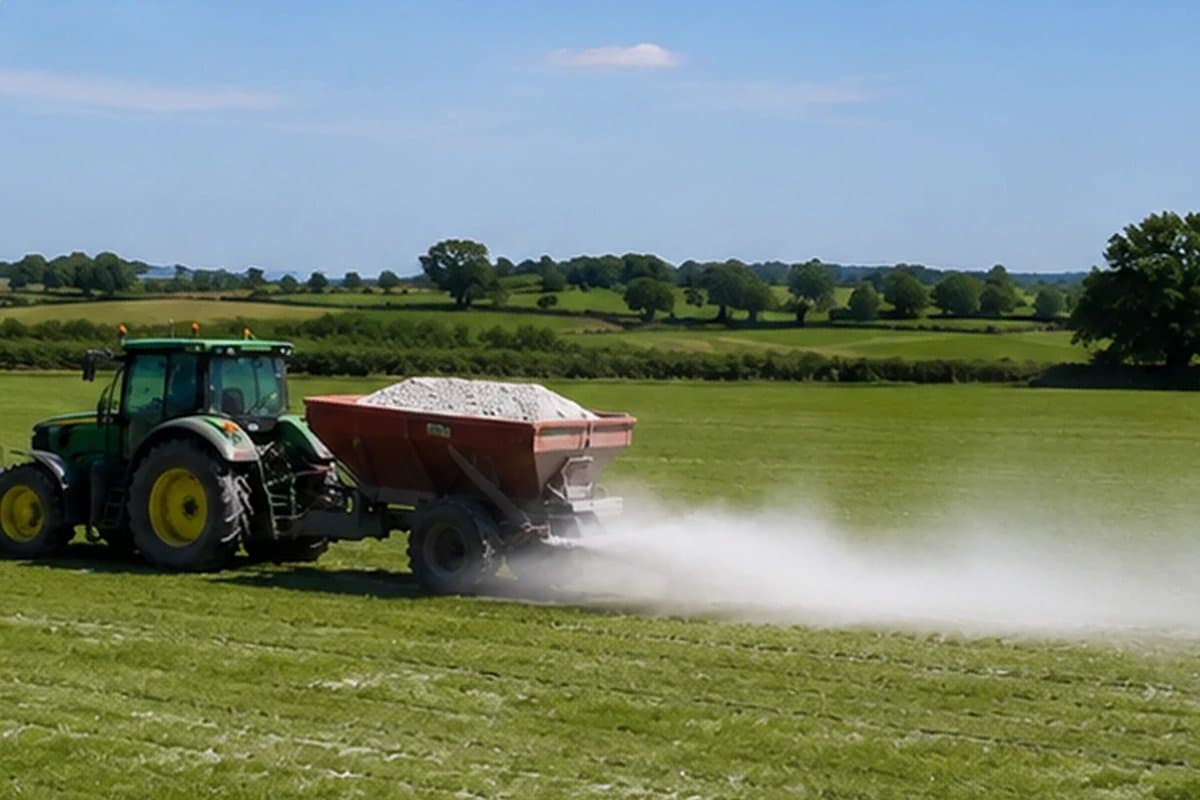
Enhanced rock weathering
Crushed silicate rock reacts with CO2 and stores it as stable bicarbonate and carbonate. A durable removal method with agricultural co-benefits, from about €185 per tonne.
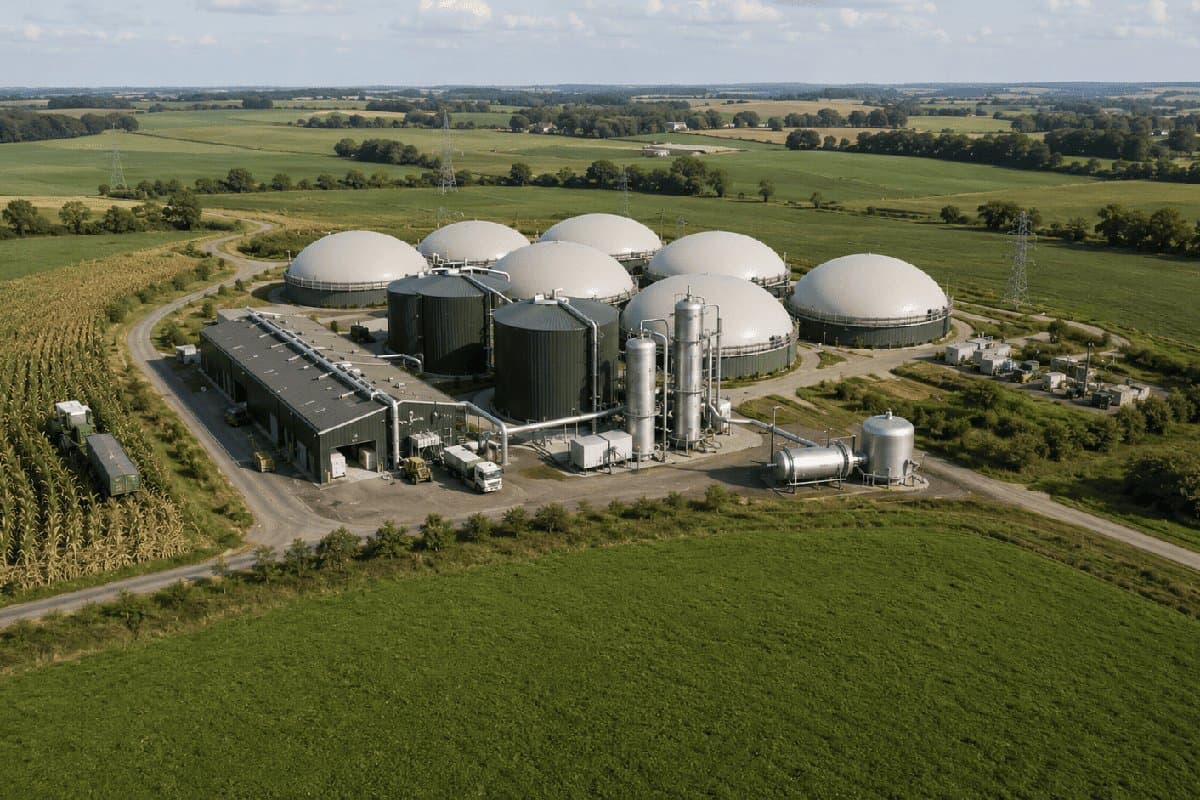
BECCS
Biomass is used for energy or fuel, while the biogenic CO2 released is captured and stored underground. A larger industrial pathway with geological storage.
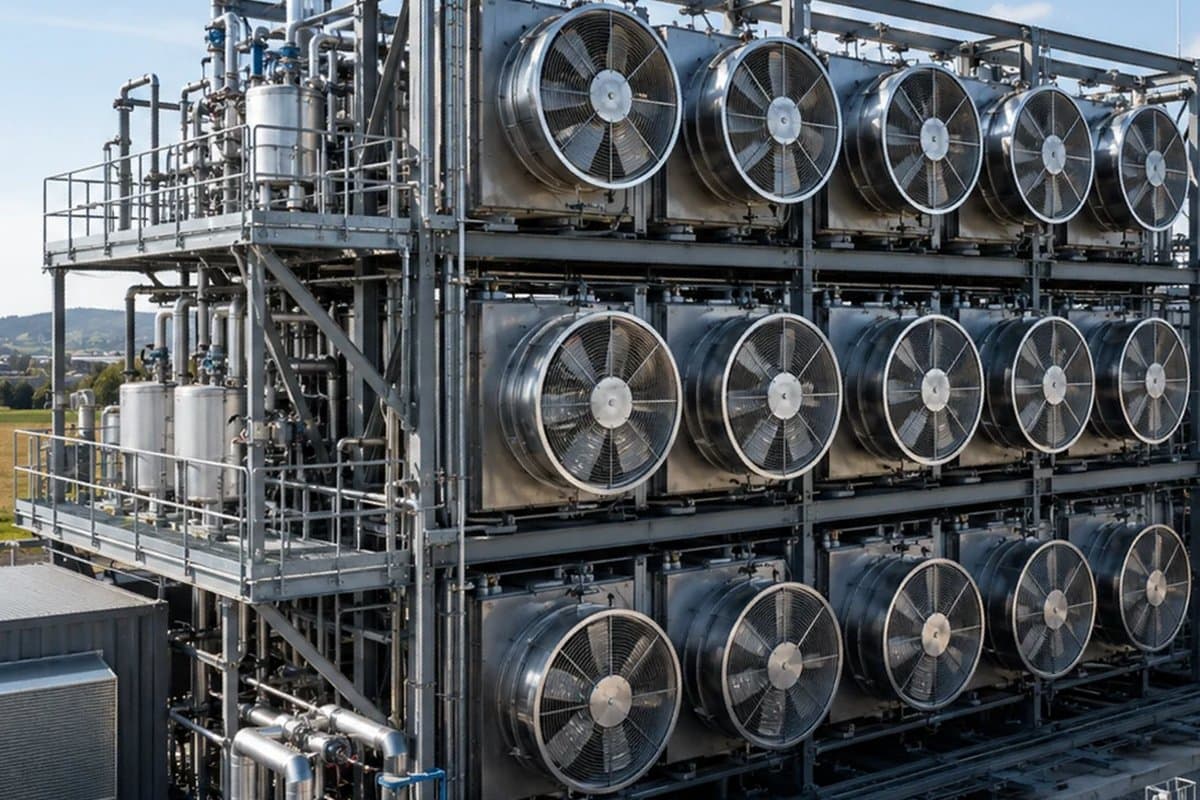
Direct air capture
Chemical filters pull CO2 straight out of the air and store it deep underground, where it turns to stone. The most permanent and most precisely measured removal there is.