
Enhanced rock weathering carbon removal
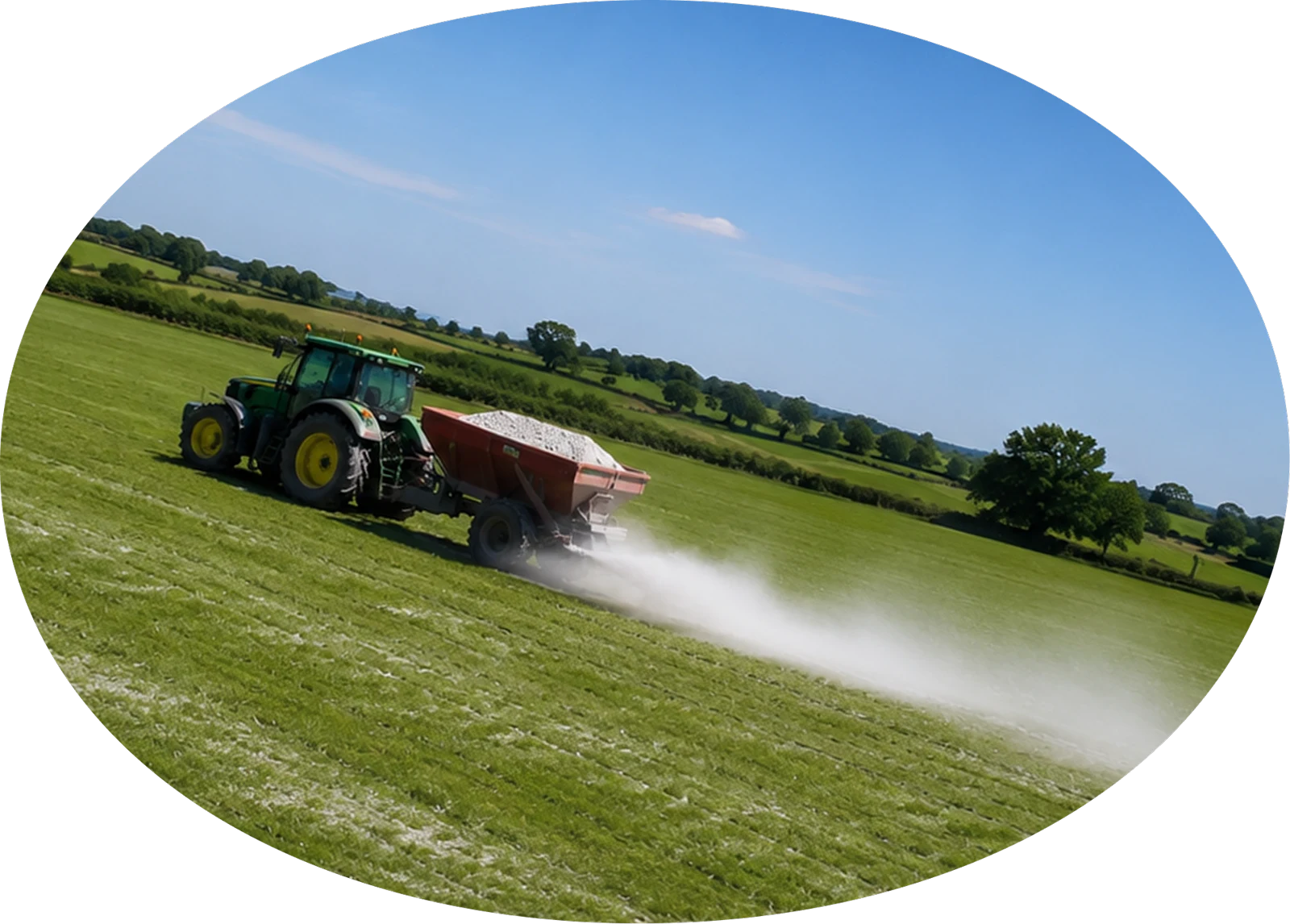
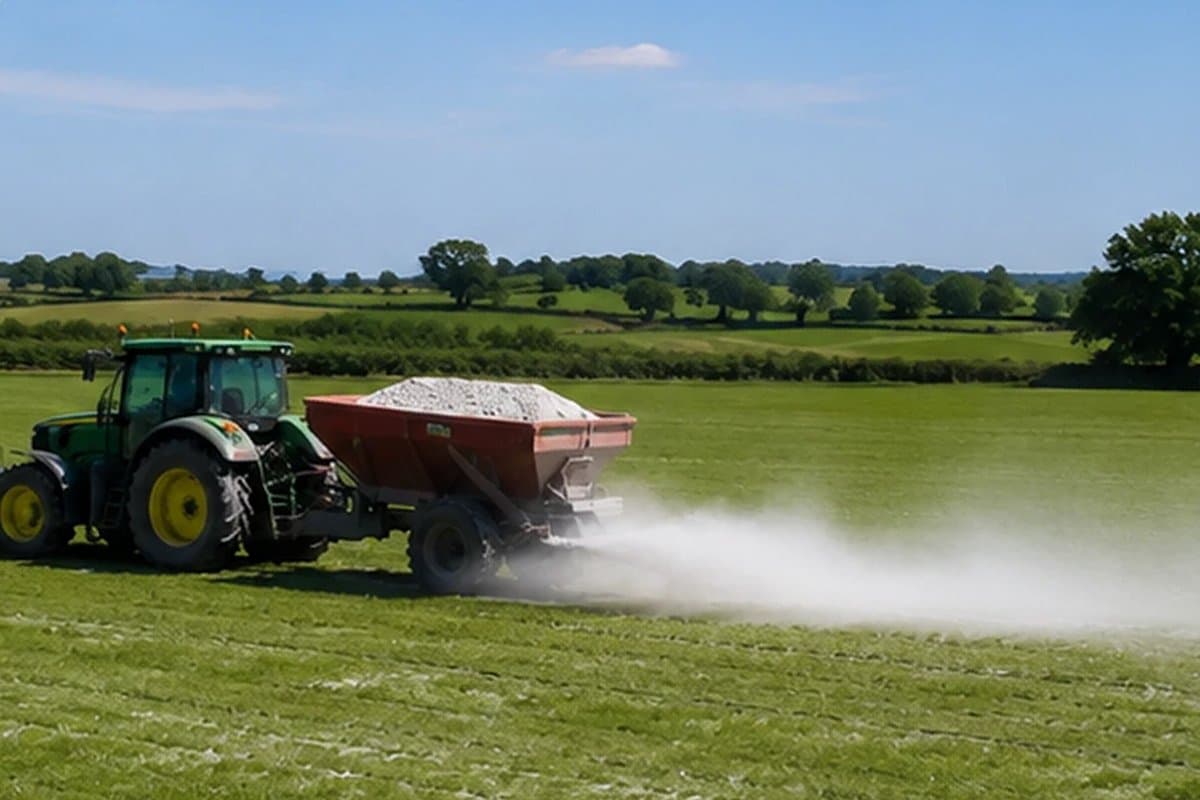
Enhanced rock weathering projects take silicate rock dust from quarries and spread it on farmland as a soil conditioner. Rainwater carrying CO2 dissolves the rock, turning the gas into stable bicarbonate that drains to the ocean, where it stays locked away for more than 10,000 years. Prices range between €185 and €300 per tonne, with much of the cost going into measurement.


Overview
What you need to know about enhanced rock weathering

Silicate rock dust, usually basalt, is spread on fields as a soil conditioner. Rain dissolves it, converting CO2 into bicarbonate, a stable dissolved form of carbon that washes through soil and rivers into the ocean and stays there.

10,000+ years. The carbon sits in the ocean as a dissolved mineral, some of it eventually becoming limestone. Unlike carbon stored in forests or soil, it cannot burn or rot, so no fire, drought or land-use change can release it.

€185 to €300 per tonne. The technology is still new and verification makes it expensive.

Small scale: 1 to 2% of durable removal contracted, and only tens of thousands of tonnes delivered so far.

Emerging, and the method’s defining question. Removal is inferred from soil and water sampling combined with models, not measured precisely like in Direct Air Capture.

Isometric and Puro.earth; Carbon Standards International (Global Rock C-Sink).

Removal with long-lived storage, Category V under the Oxford Offsetting Principles.
How it works
Science
Enhanced weathering borrows a reaction that has regulated Earth's climate for hundreds of millions of years, and speeds it up. Here is where the carbon goes, what makes the storage permanent, how the removal is measured, and why measurement is the open question that decides which projects are real.
Why it counts as removal
Chemical weathering of silicate rock is the planet’s long-term thermostat: over geological time it pulls roughly 0.9 gigatonnes of CO2 out of the air each year and locks it into the ocean. Enhanced weathering runs the same chemistry deliberately, on a timescale of years rather than millennia. The CO2 it captures was already in the atmosphere, so storing it as bicarbonate lowers the total in the air, which is what makes this removal rather than avoidance.
How the storage becomes permanent
Once the carbon is locked into dissolved bicarbonate and carried to the ocean, it joins the sea’s alkalinity store, the largest active carbon reservoir on the planet, where about 90% of it stays put on a timescale of roughly 10,000 years. The permanence is geochemical, not biological, so unlike a forest or a soil-carbon stock it is not at risk from fire, drought or a change of land use. That puts enhanced weathering alongside direct air capture at the durable end of the removal spectrum.
How removal is measured, and why this is the hard part
This is where ERW differs most from the other durable methods. Direct air capture meters every tonne; biochar tests every production batch in a lab; enhanced weathering removal happens diffusely across a field and has to be inferred from how much rock has dissolved, measured through paired soil and water sampling and reconstructed with geochemical models. The leading protocols now deduct downstream losses and credit conservatively, Isometric issues at the 30th percentile of the modelled range, but method-level averages mean little here. What matters is the measurement behind a specific project, which is why MRV credibility is the attribute to weigh most heavily.
What is still being worked out
First, weathering driven by nitric acid from nitrogen fertiliser releases the same cations but removes no CO2, so cation-based measurement can overstate removal (Vienne et al., 2026). Second, multi-year field trials have measured net removal well below theoretical potential, because real weathering is slow and back-loaded over about a decade (Dupla et al., 2025). Third, some captured carbon can be lost, roughly a tenth leaks back over decades and more can degas in river transit before it reaches the ocean.
Key research

Assessed the global potential of spreading basalt on croplands at 0.5 to 2 gigatonnes of CO2 a year, at US$80 to US$180 per tonne, with co-benefits for soil and food security.
Beerling et al. — 2020A replicated US Corn Belt field trial measured 15.4 tonnes of CO2 removed per hectare over four years, alongside 12 to 16% higher maize and soy yields and lower nitrous oxide emissions.
Beerling et al. — 2024Found that about 90% of the carbon captured by enhanced weathering is retained in the ocean on a timescale of roughly 10,000 years, establishing the permanence case.
Kanzaki, Planavsky & Reinhard — 2023Validated a soil-based mass-balance method, an immobile-element tracer, for measuring weathering rates from soil samples, now central to how ERW removal is audited.
Reershemius et al. — 2023of the carbon captured by enhanced weathering is retained in the ocean on a timescale of about 10,000 years. The permanence is geochemical, not biological, so it is not at risk from fire, drought or a change of land use.
Market and price
Enhanced weathering makes blue-chip headlines, with, for example, Google's largest carbon removal deal being ERW. Yet it is a rather new method and a small share of the durable market: less than 2% of credits contracted in 2025, in a market dominated by biochar. The biggest buyers are investing heavily now to push the research and eventually bring the costs down.
made enhanced weathering the subject of its largest-ever carbon removal purchase, 200,000 tonnes with Terradot in Brazil, with deliveries from around 2029.
Microsoft
has signed at least six ERW agreements across four suppliers on three continents (InPlanet, UNDO, Alt Carbon and Terradot), around 126,000 tonnes in total.
Frontier
the advance market commitment funded by Stripe, Alphabet, Shopify, Meta and McKinsey, has placed more than US$115 million of ERW offtakes.
Durable removal prices, 2026
€ per tonne of CO2 removed
ERW
Other durable methods
Biochar
BECCS
DAC
Enhanced rock weathering credits cost between €185 and €300 per tonne in 2026. That places ERW in the middle of the durable market: more expensive than nature-based methods, comfortably below direct air capture, and with the co-benefit that the same application improves the farmland it is spread on. Buyers surveyed by CDR.fyi and OPIS expect ERW to be one of the fastest-falling durable methods on price by 2030.
The key price factors are energy to turn rocks into dust, logistics to deliver to farmers and spread, and, above all, the depth of measurement. High-quality MRV is more expensive with ERW than anywhere else. Because the technology is new, the first ERW credits were only delivered in 2024. And as there aren't that many projects operating yet, ERW is mostly contracted through offtakes.
Sources: Senken price analysis database, CDR.fyi & OPIS durable-CDR pricing survey, IPCC AR6 Chapter 12, Sylvera pricing benchmark.
Projects
Measurement is key for enhanced weathering, so Senken screens ERW projects first on the credibility of their MRV, then on everything else. Each project offered by Senken is verified with the 600+ data-point Sustainability Integrity Index (SII).
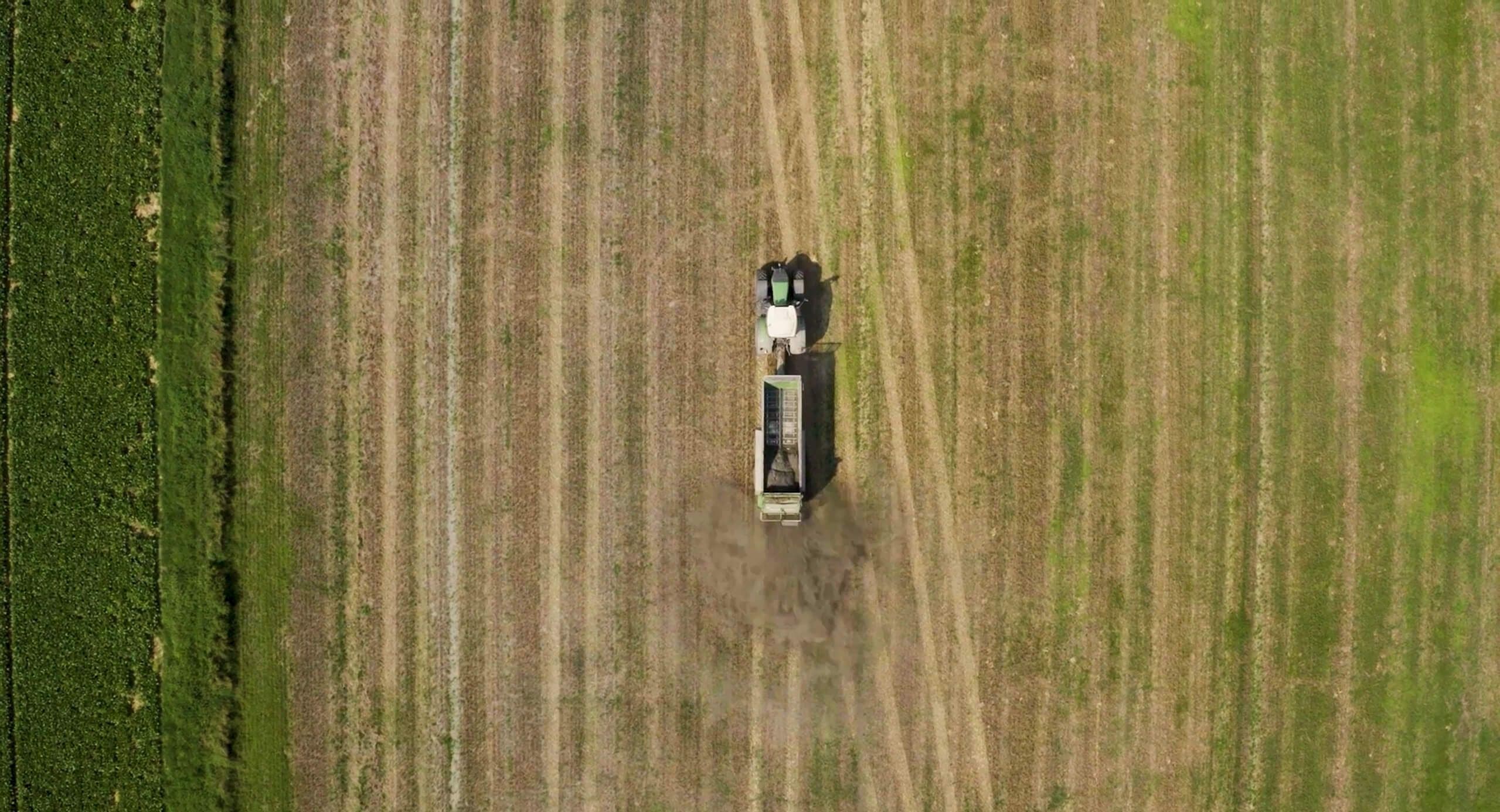
 Germany
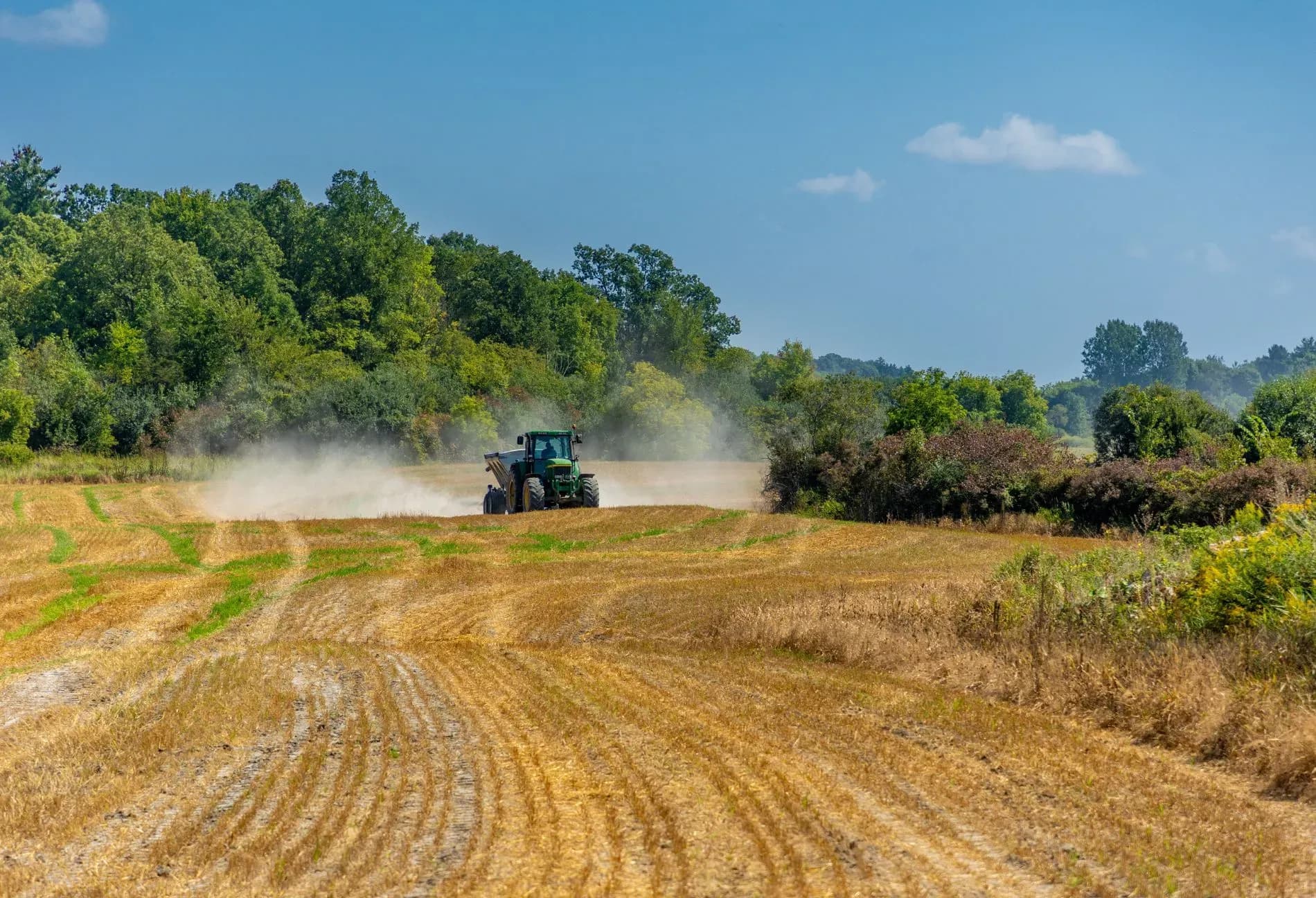
 United Kingdom
Procuring high-quality carbon removal for industry leaders











Invest in verified enhanced weathering projects
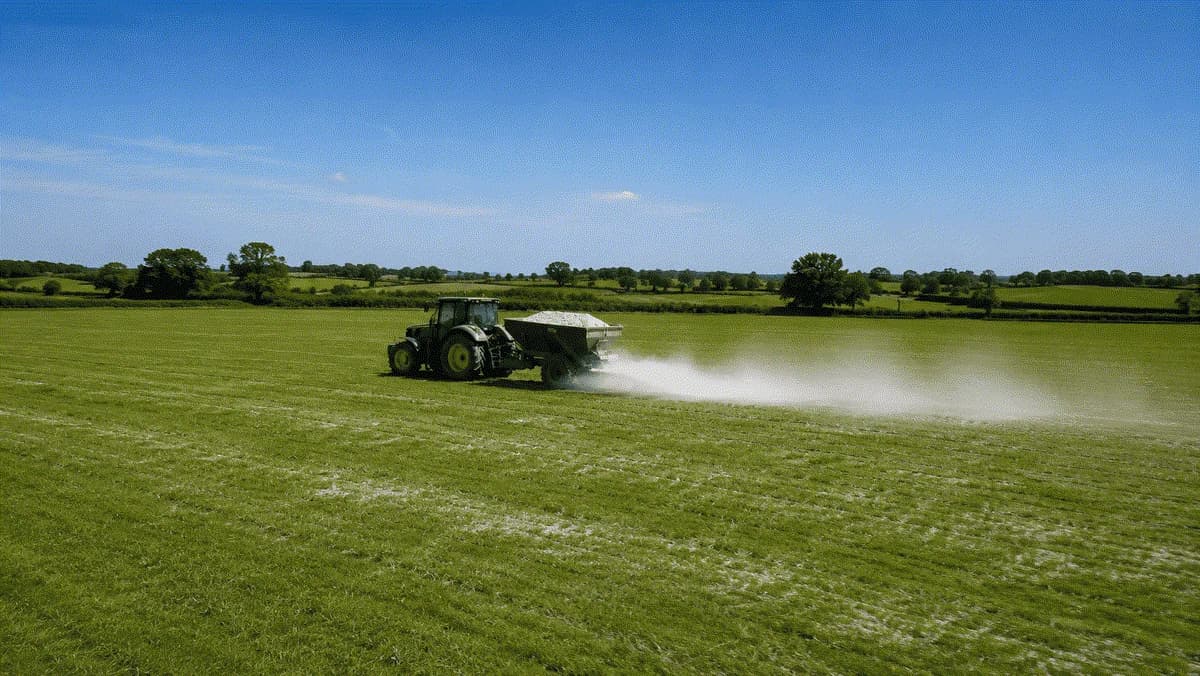
Senken screens ERW projects first on the credibility of their measurement, sources the offtake, and calculates the portfolio share and delivery schedule based on your budget and the rest of your portfolio.
Compliance
Enhanced rock weathering is durable carbon removal and eligible to neutralise residual emissions under the SBTi Corporate Net-Zero Standard and reportable under CSRD. EU CRCF has not yet adopted the methodology (though Senken expects it to).

SBTi
Under the Corporate Net-Zero Standard, durable removals are what neutralise the residual emissions a company cannot cut. Version 2.0, published in June 2026 and effective from February 2027, distinguishes long-lived removals like enhanced weathering, mineralisation and direct air capture from short-lived nature-based ones, and requires long-lived residual emissions to be neutralised with long-lived removals, on a share that rises toward a company's net-zero year.

CSRD / ESRS E1-7
Purchased removals are disclosed on their own, separate from gross emissions, with their volume, registry, durability and quality attributes stated. For an early method like ERW that disclosure is only as strong as the measurement evidence behind it, which is why every Senken purchase comes with the audit documentation attached.
Standards
ERW certification is younger and thinner than biochar's, which is what a buyer should expect from an early method, and it is led by two carbon-removal-native registries, Isometric and Puro.earth. Both are ICVCM CCP-Eligible programmes, but no enhanced weathering methodology has yet earned the method-level CCP-Approved label, so for now integrity rests on the rigour of the specific protocol more than on a cross-registry seal.
Runs the strict Enhanced Weathering in Agriculture protocol, built on paired soil and water sampling, conservative downstream-loss deductions and 30th-percentile crediting. Issued the world's first independently verified ERW credits in December 2024.
Its Enhanced Rock Weathering methodology moved to Edition 2025, effective February 2026, requiring two independent measurement methods, explicit loss terms and an uncertainty discount. Issues CORCs.
The Global Rock C-Sink standard certifies enhanced-weathering C-sinks on croplands, third-party audited, from the same Swiss body behind the EBC biochar standard. Smaller ERW footprint than Isometric or Puro so far.
Not a registry: a non-commercial effort aligning ERW measurement through shared core principles, open field data and science funding, the common groundwork the registry protocols build on.
Comparison
Enhanced rock weathering is a durable removal with high permanence, placing it next to direct air capture. Unlike DAC, though, it also provides co-benefits such as soil health and crop yield.
| Method | How it stores carbon | Permanence | Reversal risk | MRV maturity | Price €/t (2026) | At scale today | IPCC scale potential | Maturity (TRL, 2026) | SBTi / CSRD fit | Land footprint | Co-benefits |
|---|---|---|---|---|---|---|---|---|---|---|---|
| Nature-based | |||||||||||
| Afforestation / reforestation | Trees photosynthesise CO2 into biomass | Decades to centuries, reversible | High: fire, disease, land-use change; buffer-pooled | Moderate: remote sensing + field plots | €25–45 | Yes | 0.5–10 Gt/yr | 8–9, mature | Removal, temporary tier; CSRD-reportable | High: needs new land | Biodiversity, water, rural jobs |
| Soil carbon | Roots and residues build soil organic carbon | Years to decades, reversible | High: tillage, land-use reversal; buffer-pooled | Low, contested: sampling + modelling | €20–55 | Yes | 0.6–9 Gt/yr | 8–9, mature | Removal, temporary tier; CSRD-reportable | Low: works existing farmland | Yield, water retention, soil health |
| Engineered / durable | |||||||||||
| Enhanced rock weathering | Crushed silicate rock mineralises CO2 in soil | 10,000+ years, geochemical | Negligible: mineralised | Emerging: soil and water sampling, modelling | €185–300 | Limited | 2–4 Gt/yr | 4–6 | Durable removal; SBTi-eligible | Low: works existing farmland | Soil pH, crop yield |
| Biochar | Pyrolysis converts biomass to stable carbon | 100–1,000+ years | Very low: chemically stable; 10% buffer | High: batch lab analysis + digital MRV | €130–250 | Yes, strongest delivery record | 0.3–6.6 Gt/yr | 8–9, highest durable | Durable removal; SBTi-eligible; EU CRCF | Low: uses residues | Soil health, rural income, energy |
| Biomass storage | Waste biomass sealed from oxygen and decay | 100–1,000+ years | Low: anoxic isolation; site-dependent | High: mass balance + site monitoring | €120–170 | Emerging; scaling from 2027 | ~1–5 Gt/yr (early est.) | 5–7 | Durable removal; SBTi-eligible | Low: uses residues | Avoids residue burning |
| Bioenergy + CCS (BECCS) | Bioenergy plus captured CO2 stored geologically | 1,000+ years | Very low: geological | High: metered CO2 | €210–390 | Limited | 0.5–11 Gt/yr | 6–8 | Durable removal; SBTi-eligible | High: needs feedstock land | Dispatchable energy |
| Direct air capture (DACCS) | Chemically filters CO2, stored geologically | 10,000+ years | Negligible: geological | Highest: directly metered | €350–500+ | Very limited | 5–40 Gt/yr | 6–7 | Durable removal; SBTi-eligible; EU CRCF | Minimal | None |
Sources: Prices from Sylvera nature-based corridors and the OPIS Durable CDR Market Dynamics survey; permanence and IPCC scale potential from IPCC AR6 (Chapter 12, Table 12.6); TRL from 2026 readiness synthesis; SBTi Corporate Net-Zero Standard; ESRS E1-7.
Enhanced rock weathering FAQ

Explore other removal methods
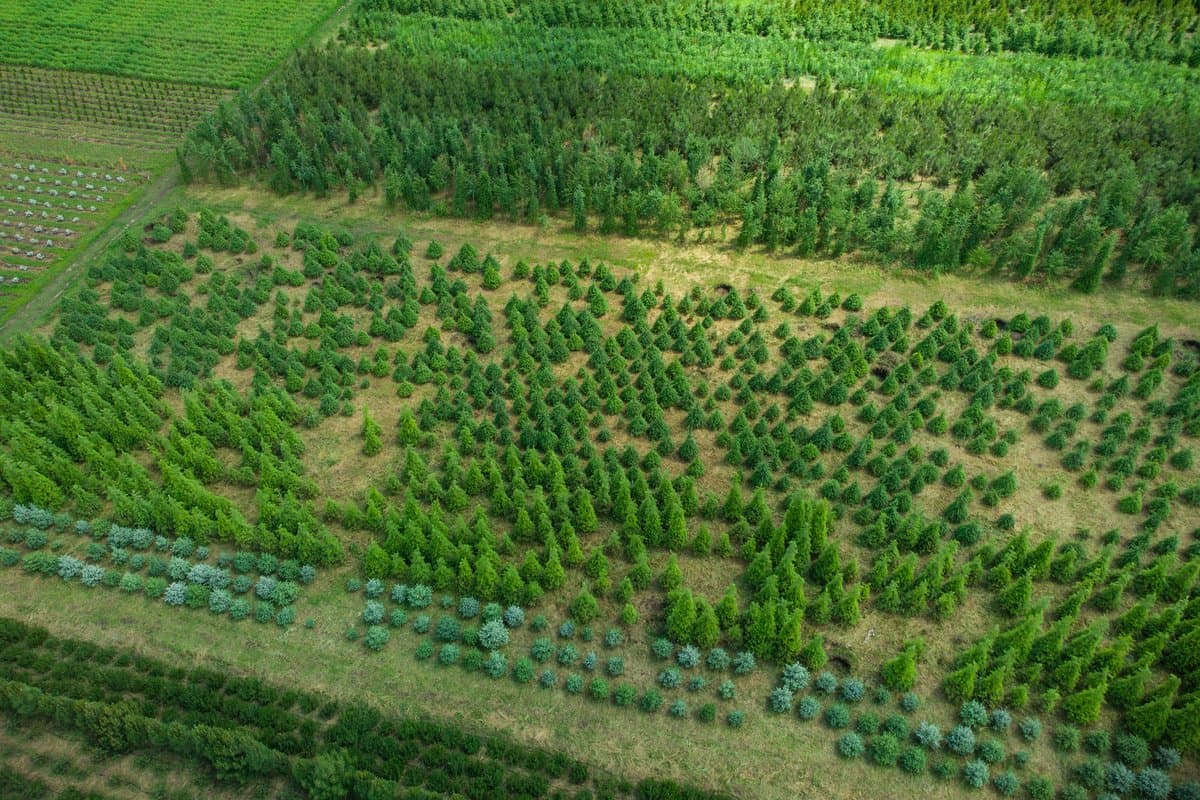
Afforestation, reforestation and revegetation
Trees and other woody vegetation remove CO2 and store it in wood, roots and soil. The most widely available removal method, with top-rated projects from about €25 per tonne.
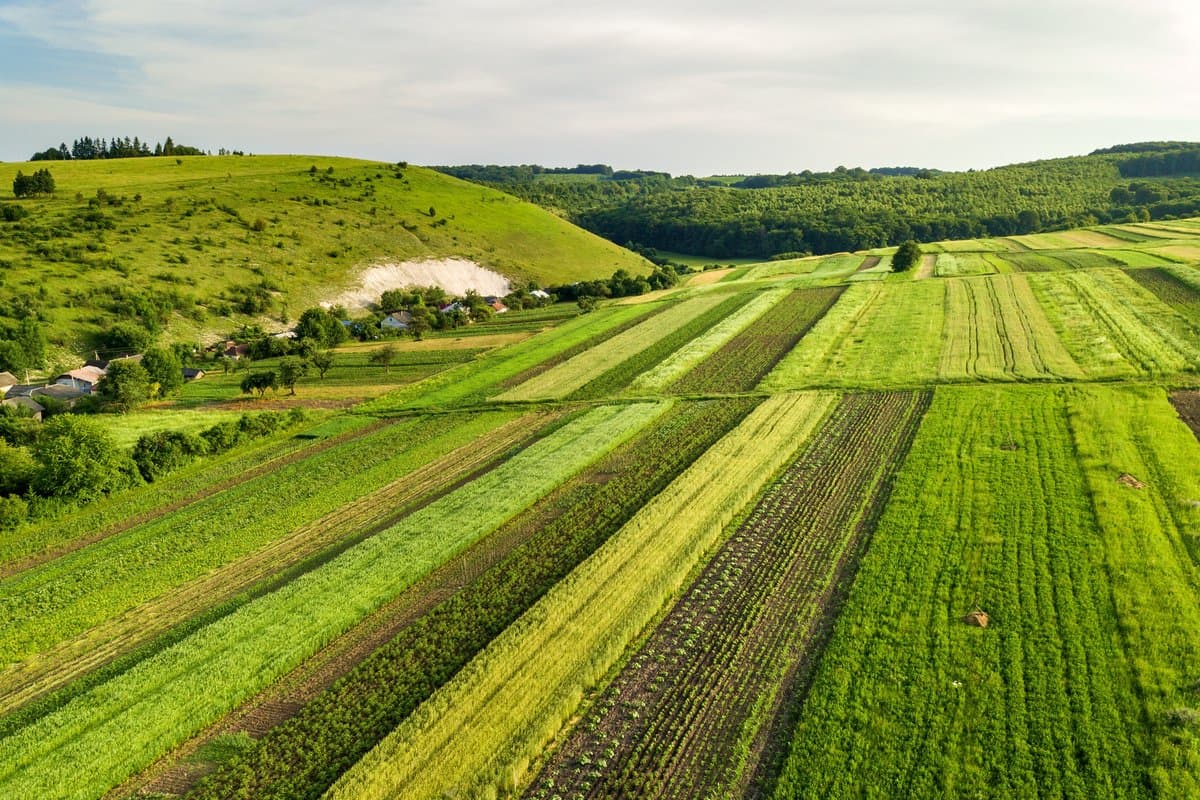
Soil carbon
Farming practices move plant-captured carbon into agricultural soils. The lowest-cost removal method, scalable across existing farmland from about €20 per tonne.
Biochar
Pyrolysis converts waste biomass into stable carbon that stays locked away for centuries. The durable method that already delivers at scale, from about €100 per tonne.
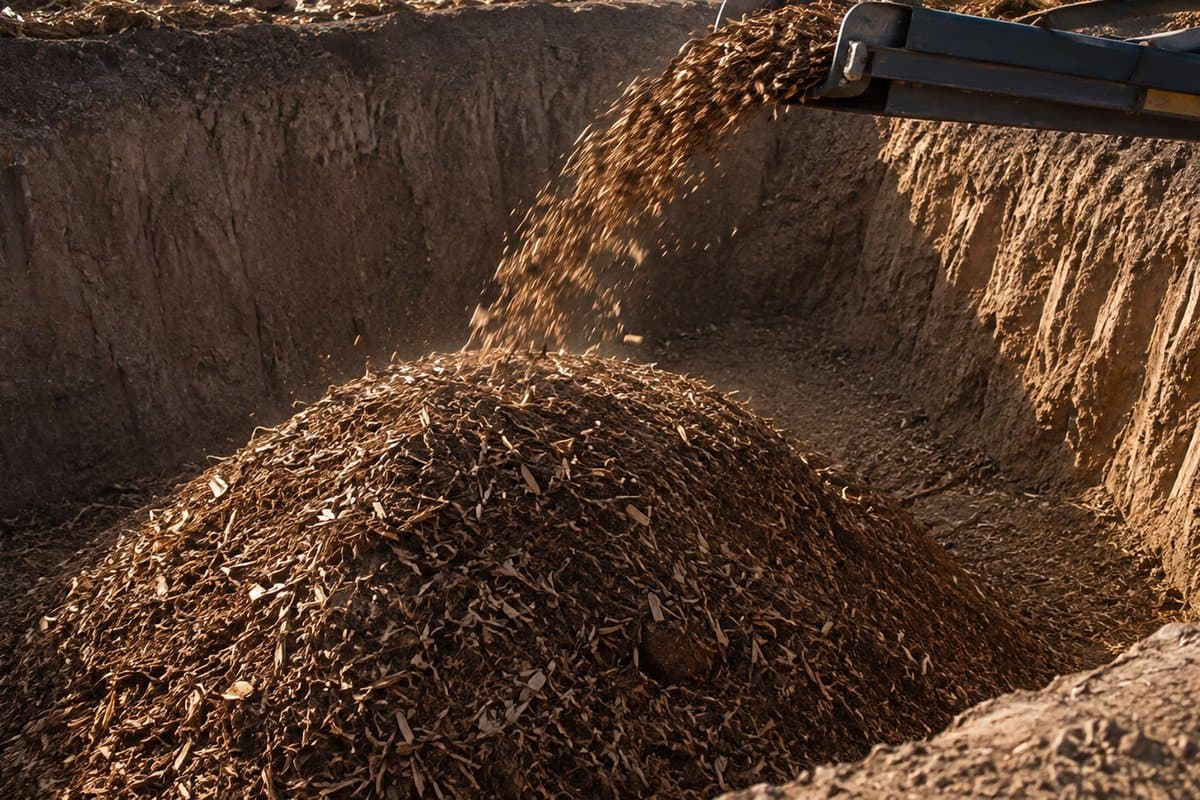
Biomass storage
Waste biomass is stored in conditions that slow or prevent decomposition. A simpler durable biomass pathway that avoids the capture equipment needed for BECCS.
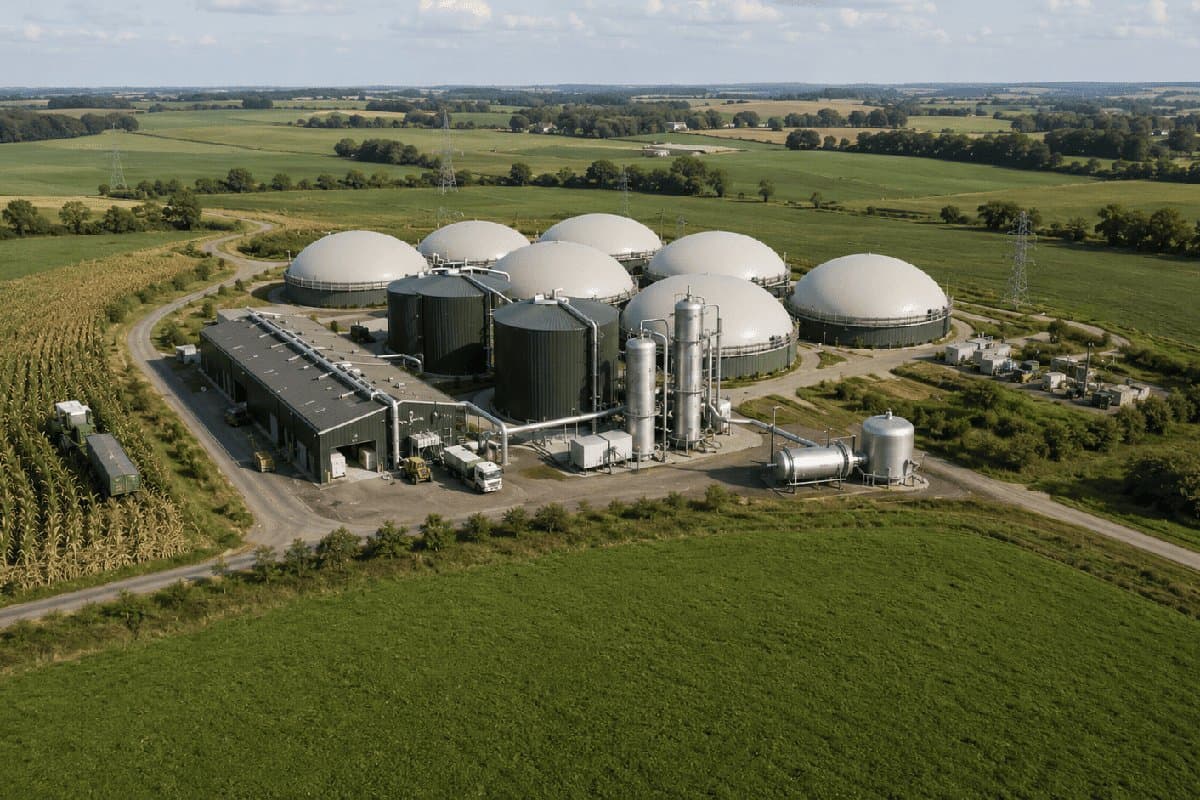
BECCS
Biomass is used for energy or fuel, while the biogenic CO2 released is captured and stored underground. A larger industrial pathway with geological storage.
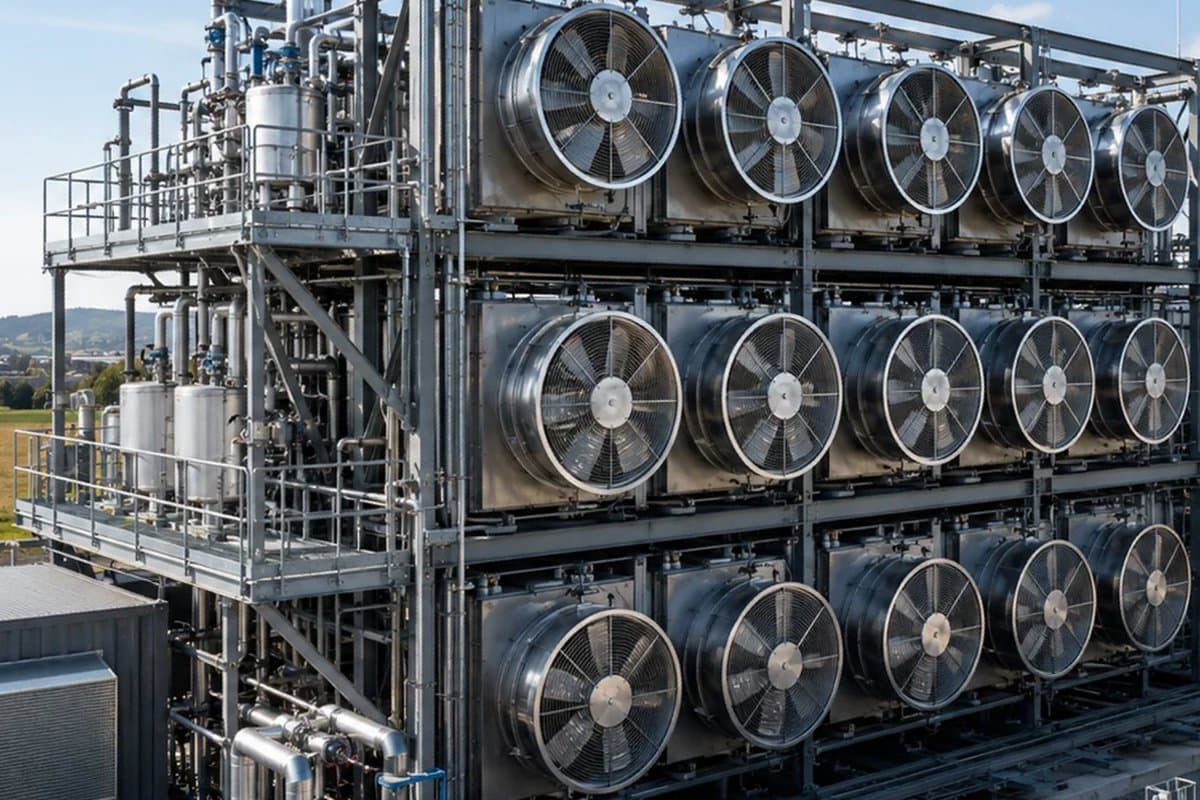
Direct air capture
Chemical filters pull CO2 straight out of the air and store it deep underground, where it turns to stone. The most permanent and most precisely measured removal there is.