
Biomass storage carbon removal
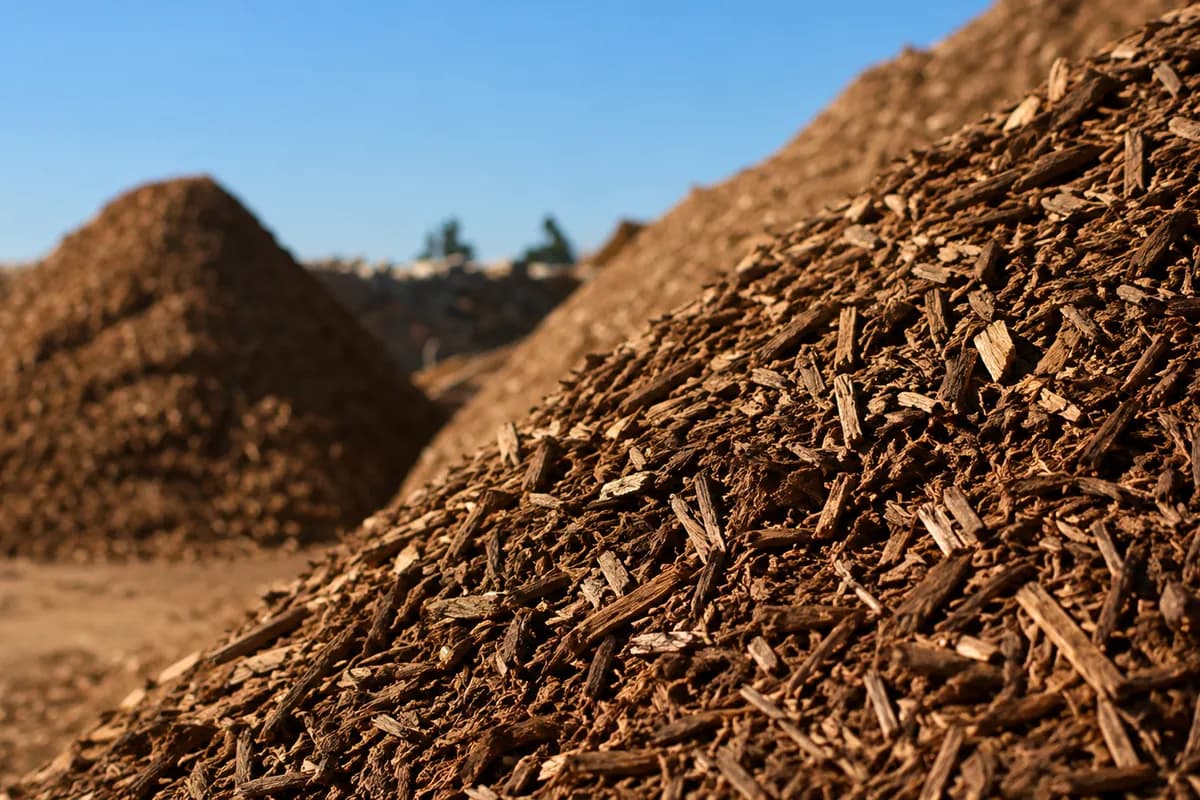
Biomass storage, also known as biomass burial, seals waste wood and agricultural residues underground, where low moisture and oxygen slow their decay. This keeps plant-captured carbon from returning to the atmosphere and needs less processing than most engineered removal methods. Credits start at about €120 per tonne.

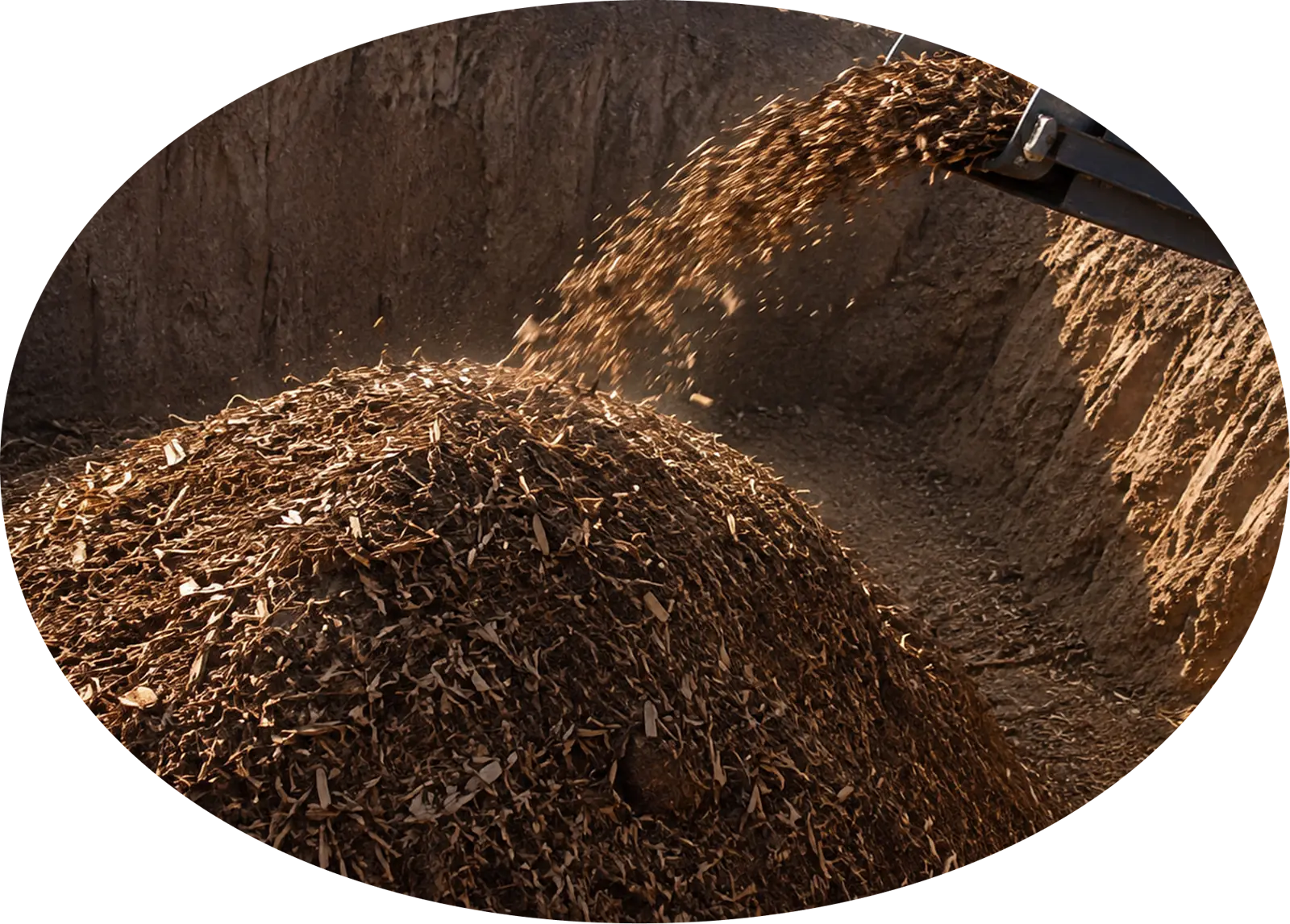

Overview
What you need to know about biomass storage carbon removal

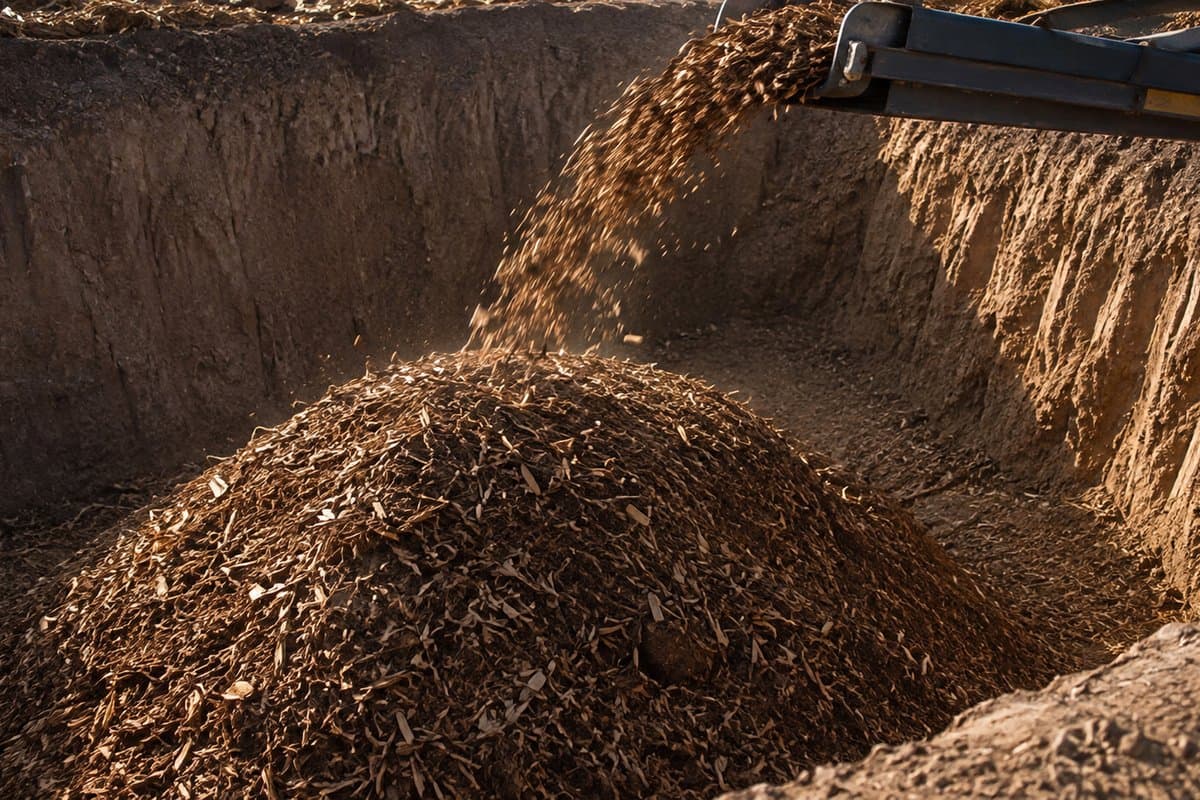
Waste biomass containing carbon absorbed from atmospheric CO2 is collected, measured and stored underground, where dry or oxygen-limited conditions slow decomposition and keep the carbon stored.

Current credits are certified for 100 to 1,000+ years. Under suitable conditions, the biomass may remain stored for much longer.

€120 to €170 per tonne, based on Senken’s indicative range.

Early commercial scale. Graphyte has issued more than 20,000 credits, while several Puro.earth projects have begun issuing smaller volumes.

Moderate and improving. Biomass mass and carbon content are measured directly, while sensors and inspections track storage conditions and potential gas release.

Isometric Subsurface Biomass Carbon Removal and Storage and Puro.earth Terrestrial Storage of Biomass.

Durable biological storage, with the credited duration set by project-level evidence.
How it works
Science
Biomass storage combines biological capture with engineered storage. Here is what makes it a removal, how it differs from other biomass pathways, why decomposition slows, how it is measured and where uncertainty remains.
Why it counts as removal
Plants remove CO2 from the atmosphere and store the carbon in biomass. When unwanted wood or residues burn or decay, that carbon returns to the air. Engineered storage interrupts this cycle. A project counts as removal only when the biomass would otherwise have been lost and net storage remains positive after lifecycle emissions and displaced uses are included.
How it differs from BECCS and biochar
Several removal methods start from the same waste biomass and differ in what happens next. BECCS uses the biomass for energy or fuel and captures the CO2 released, storing the gas in deep geological formations. Biochar converts it into stable carbon through pyrolysis. Biomass storage skips conversion and capture entirely: the intact biomass is sealed underground in conditions that prevent decay. That simplicity keeps costs low, while durability rests on the storage site rather than deep geology.
Why the storage can last
Wood decomposes slowly when moisture, oxygen and nutrients are limited. Projects create these conditions in dry vaults, wrapped blocks or low-permeability chambers. A 3,775-year-old log found beneath clay had lost only about 5% of its carbon, showing that buried wood can last for millennia. The credited duration can be shorter than the physical storage potential because it reflects what the methodology certifies.
How removal is measured
Projects weigh the dry biomass and test its carbon content. They deduct emissions from collection, drying, transport, construction, storage and monitoring. Sensors and inspections track moisture, CO2, methane and site integrity. Credits are issued only for the net removal, with a buffer held against reversal risk.
What is still being worked out
The main uncertainty is whether storage sites can keep biomass stable over time. If conditions change, it can break down and release CO2 or methane. Projects also need to show that the biomass would otherwise have been burned or left to decay. Long transport distances can further reduce the net removal.
Key research

Examines a 3,775-year-old buried log that retained about 95% of its original carbon, supporting the potential for millennial wood storage under suitable conditions.
Zeng et al. — 2024Finds that transport distance, wood decay and methane release strongly affect lifecycle performance. Shorter supply chains deliver much higher net benefits.
Johnson et al. — 2025Sets out the Wood Vault concept, including feedstock selection, storage design, monitoring and potential routes to scale.
Zeng and Hausmann — 2022Market and price
Biomass storage is moving from demonstrations to commercial delivery. It can use locally available waste biomass and needs less processing than most engineered removals, helping keep costs lower. Supply is still concentrated in a few projects, so buyers should distinguish issued credits from planned capacity.
Senken and Carbonsate
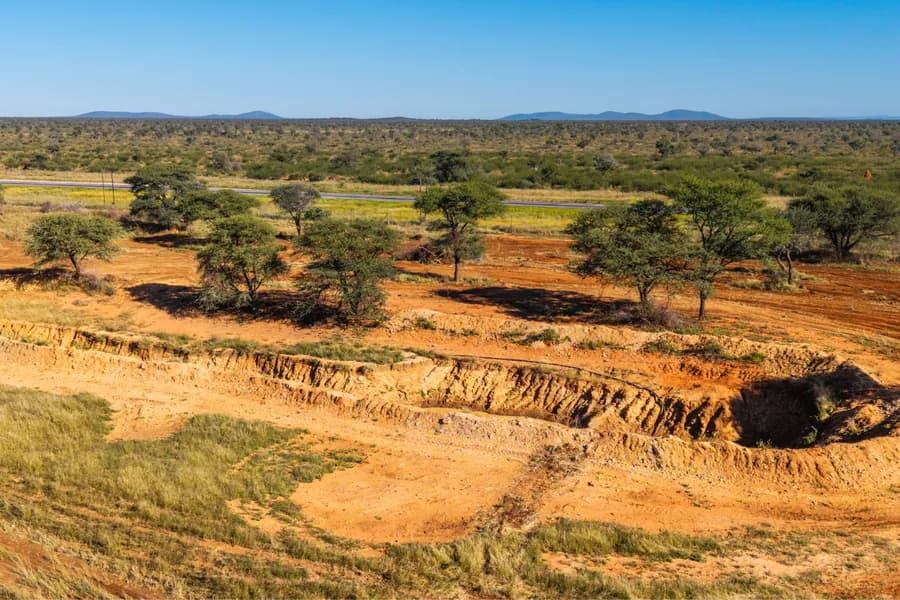
50,000 tonnes between 2026 and 2028 from Carbonsate’s Puro.earth-verified project in Namibia — the largest biomass storage deal signed in Europe to date. Senken procured the volumes for corporate buyers with near-term demand for permanent removal.
JPMorganChase and Graphyte
60,000 tonnes over ten years from Graphyte’s operating Loblolly project and planned Ponderosa facility.
American Airlines and Graphyte
10,000 tonnes from Graphyte’s Carbon Casting process. American Airlines was the company’s first commercial buyer.
Senken’s indicative price per tonne
1,000+
years of credited carbon storage, depending on project design and certification
Carbon removal prices, 2026
€ per tonne of CO2 removed
Biomass storage
Other methods
ARR
Biochar
BECCS
According to Senken’s data, biomass storage credits cost around €120 to €170 per tonne. Public transaction prices are still limited, so the prices might vary depending on the project and volume.
Biomass storage can remain relatively low-cost because it requires less energy and processing than many engineered removal methods. Costs mainly depend on preparing and transporting the biomass, building the storage site and monitoring it over time. Nearby waste biomass can keep costs lower, while longer durability and more extensive monitoring can increase prices.
Sources: Senken price analysis database, World Resources Institute (January 2026) and the CDR.fyi and OPIS Durable CDR Pricing Survey.
Projects
Biomass storage quality depends on feedstock, baseline, storage design and monitoring. Senken checks these first, then assesses the full project across 600+ data points in the Sustainability Integrity Index.
 Namibia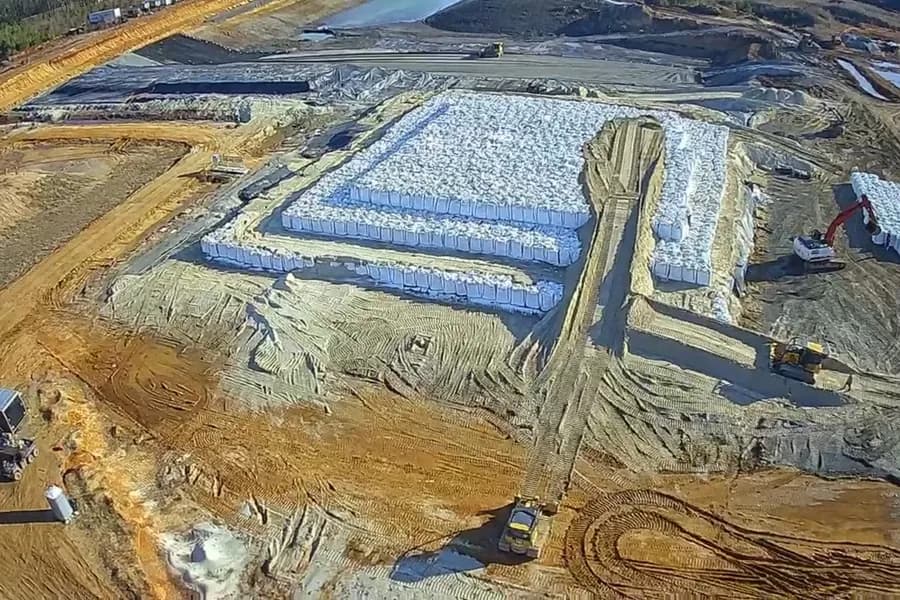
 United States
Procuring high-quality carbon removal for industry leaders











Secure biomass storage supply for your residual emissions
Tell us your volume, budget and timeline, and we’ll source the right projects for your portfolio.
Compliance
Biomass storage is reportable under CSRD and can support SBTi removal requirements when its credited durability meets the relevant storage test. It is not currently covered by a dedicated EU CRCF methodology.

SBTi
Version 2.0 defines long-lived removals as activities capable of retaining carbon for centuries to millennia. Projects certified for 1,000+ years fit that definition. A 100-year label alone does not automatically qualify. At net zero, residual long-lived emissions such as fossil CO2 must be neutralised with long-lived removals.

CSRD / ESRS E1-7
Purchased biomass storage credits must be reported separately from gross emissions and emissions-reduction targets. Companies disclose the volume, storage type and quality standard. Credits cannot be subtracted from reported emissions.

Standards
The certification landscape is narrow because biomass storage is still emerging. The two main standards both require net lifecycle accounting, eligible biomass and long-term monitoring, but their durability and buffer rules differ.
Science-led protocol for subsurface biomass storage, with direct carbon measurement, lifecycle accounting and site monitoring.
Covers biomass stored in purpose-built sites designed to slow decomposition, with independent verification and long-term monitoring.
Comparison
Biomass storage is relatively low-cost and uses little energy. The durability is less than in Direct Air Capture, yet it still counts as long-lived/permanent removal under main standards.
| Method | How it stores carbon | Permanence | Reversal risk | MRV maturity | Price €/t (2026) | At scale today | IPCC scale potential | Maturity (TRL, 2026) | SBTi / CSRD fit | Land footprint | Co-benefits |
|---|---|---|---|---|---|---|---|---|---|---|---|
| Nature-based | |||||||||||
| Afforestation / reforestation | Trees photosynthesise CO2 into biomass | Decades to centuries, reversible | High: fire, disease, land-use change; buffer-pooled | Moderate: remote sensing + field plots | €25–45 | Yes | 0.5–10 Gt/yr | 8–9, mature | Removal, temporary tier; CSRD-reportable | High: needs new land | Biodiversity, water, rural jobs |
| Soil carbon | Roots and residues build soil organic carbon | Years to decades, reversible | High: tillage, land-use reversal; buffer-pooled | Low, contested: sampling + modelling | €20–55 | Yes | 0.6–9 Gt/yr | 8–9, mature | Removal, temporary tier; CSRD-reportable | Low: works existing farmland | Yield, water retention, soil health |
| Engineered / durable | |||||||||||
| Biomass storage | Waste biomass sealed from oxygen and decay | 100–1,000+ years | Low: anoxic isolation; site-dependent | High: mass balance + site monitoring | €120–170 | Emerging; scaling from 2027 | ~1–5 Gt/yr (early est.) | 5–7 | Durable removal; SBTi-eligible | Low: uses residues | Avoids residue burning |
| Biochar | Pyrolysis converts biomass to stable carbon | 100–1,000+ years | Very low: chemically stable; 10% buffer | High: batch lab analysis + digital MRV | €130–250 | Yes, strongest delivery record | 0.3–6.6 Gt/yr | 8–9, highest durable | Durable removal; SBTi-eligible; EU CRCF | Low: uses residues | Soil health, rural income, energy |
| Enhanced rock weathering | Crushed silicate rock mineralises CO2 in soil | 10,000+ years, geochemical | Negligible: mineralised | Emerging: soil and water sampling, modelling | €185–300 | Limited | 2–4 Gt/yr | 4–6 | Durable removal; SBTi-eligible | Low: works existing farmland | Soil pH, crop yield |
| Bioenergy + CCS (BECCS) | Bioenergy plus captured CO2 stored geologically | 1,000+ years | Very low: geological | High: metered CO2 | €210–390 | Limited | 0.5–11 Gt/yr | 6–8 | Durable removal; SBTi-eligible | High: needs feedstock land | Dispatchable energy |
| Direct air capture (DACCS) | Chemically filters CO2, stored geologically | 10,000+ years | Negligible: geological | Highest: directly metered | €350–500+ | Very limited | 5–40 Gt/yr | 6–7 | Durable removal; SBTi-eligible; EU CRCF | Minimal | None |
Sources: Prices from Sylvera nature-based corridors and the OPIS Durable CDR Market Dynamics survey; permanence and IPCC scale potential from IPCC AR6 (Chapter 12, Table 12.6); TRL from 2026 readiness synthesis; SBTi Corporate Net-Zero Standard; ESRS E1-7.
Biomass storage carbon removal FAQ

Explore other removal methods
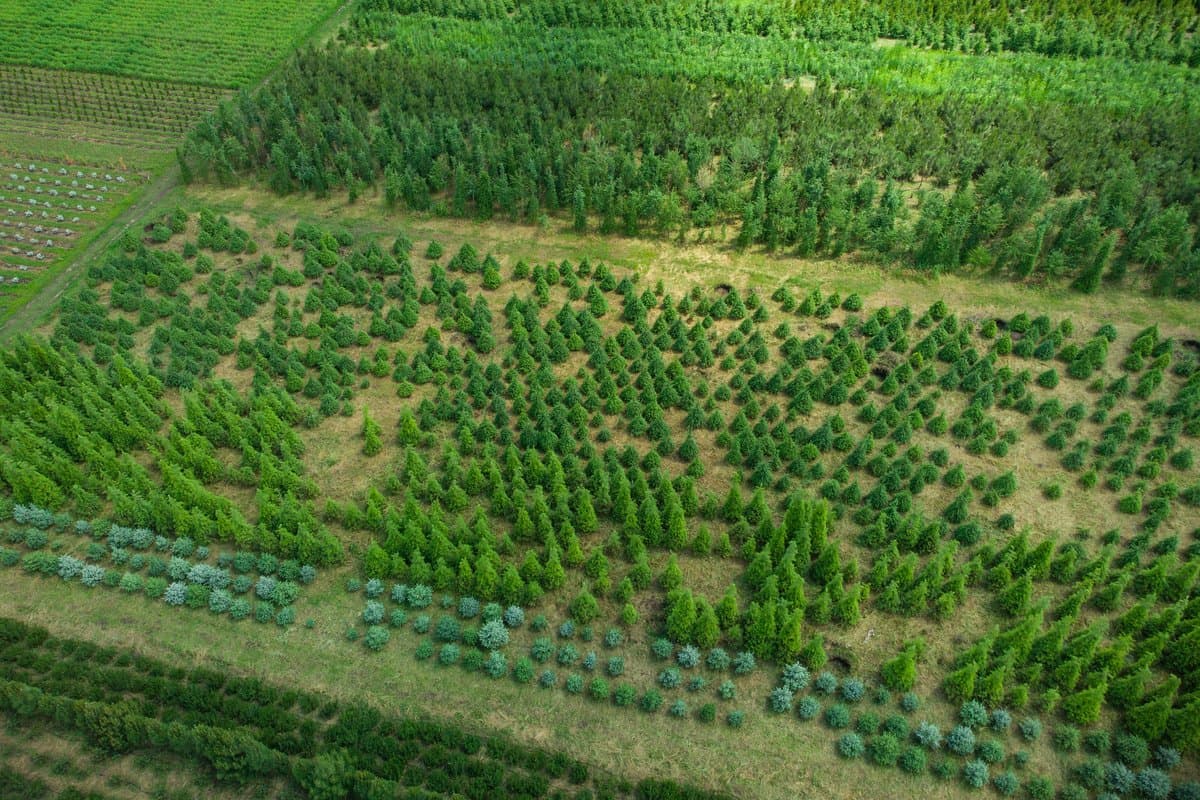
Afforestation, reforestation and revegetation
Trees and other woody vegetation remove CO2 and store it in wood, roots and soil. The most widely available removal method, with top-rated projects from about €25 per tonne.
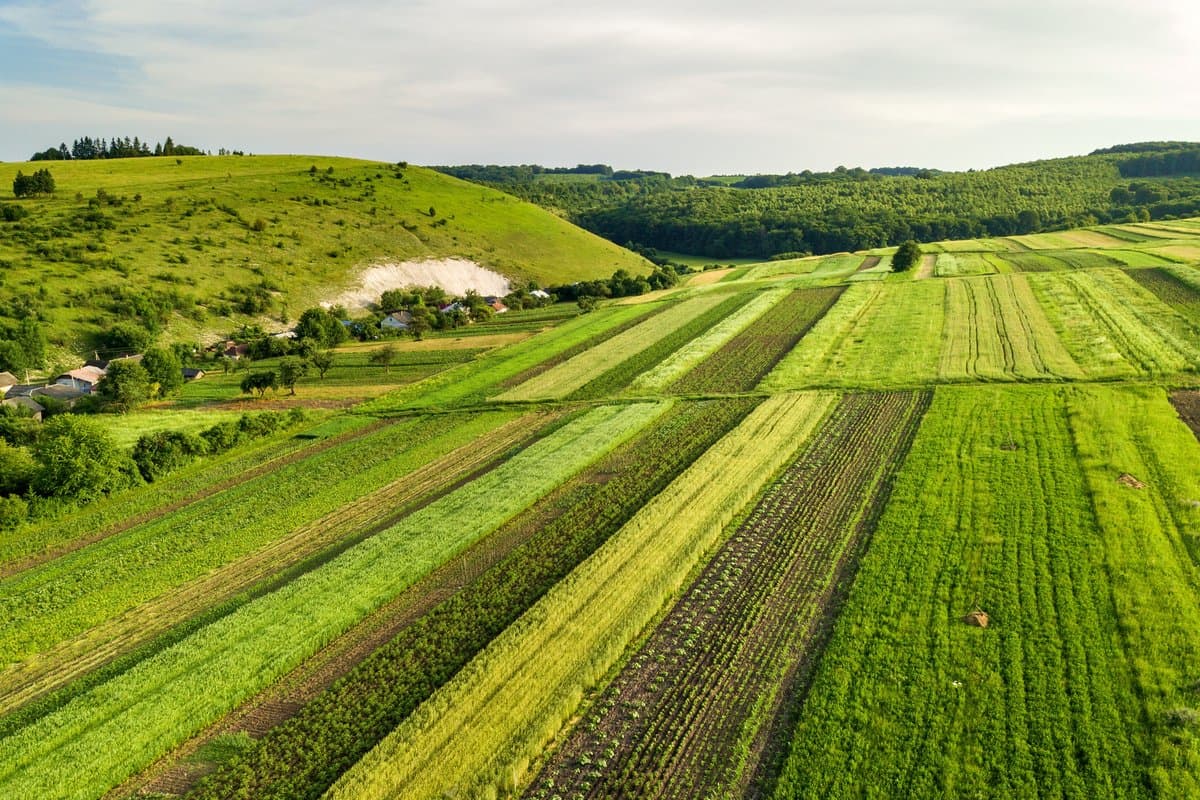
Soil carbon
Farming practices move plant-captured carbon into agricultural soils. The lowest-cost removal method, scalable across existing farmland from about €20 per tonne.
Biochar
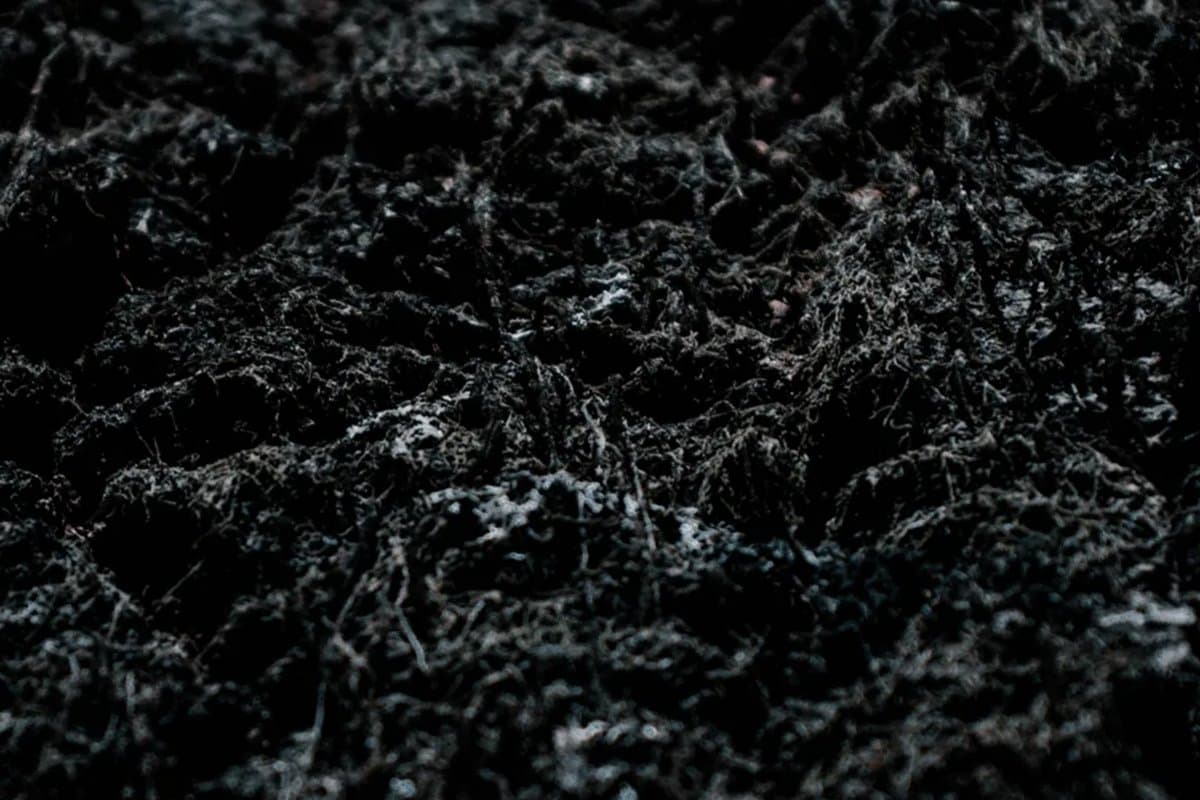
Pyrolysis converts waste biomass into stable carbon that stays locked away for centuries. The durable method that already delivers at scale, from about €100 per tonne.
Enhanced rock weathering
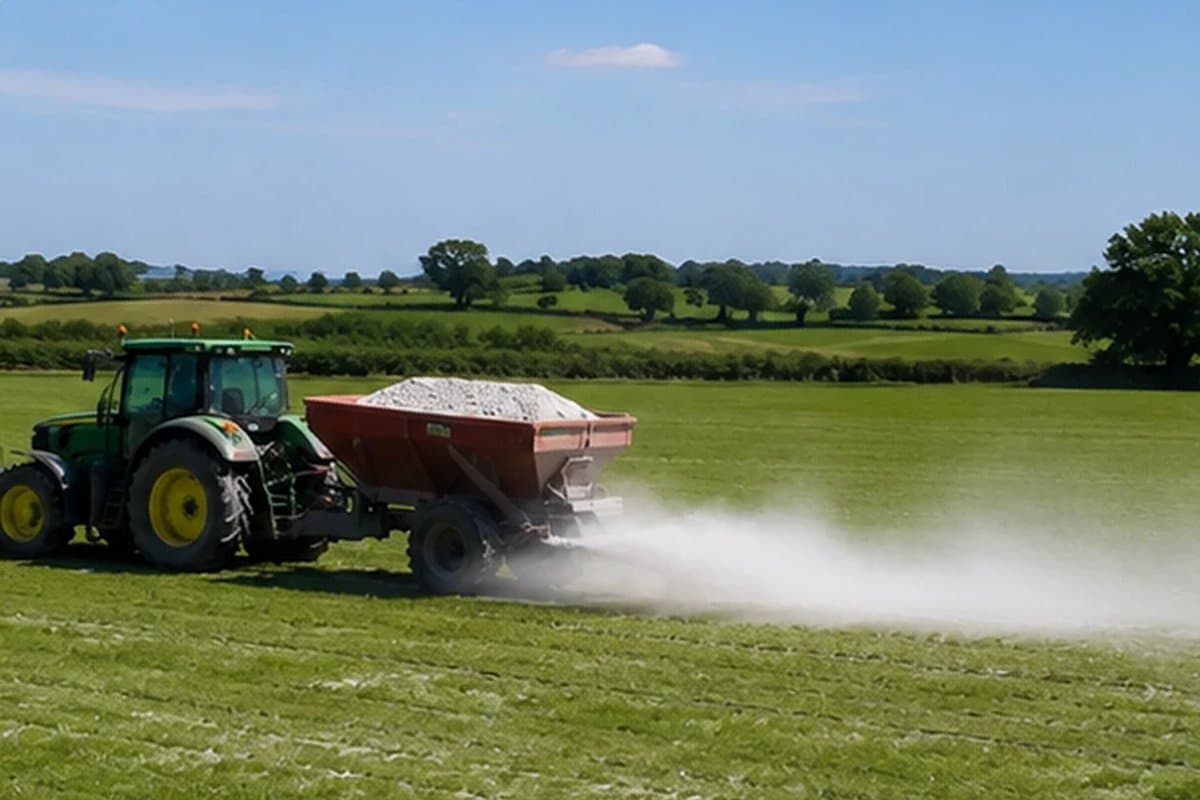
Crushed silicate rock reacts with CO2 and stores it as stable bicarbonate and carbonate. A durable removal method with agricultural co-benefits, from about €185 per tonne.
BECCS
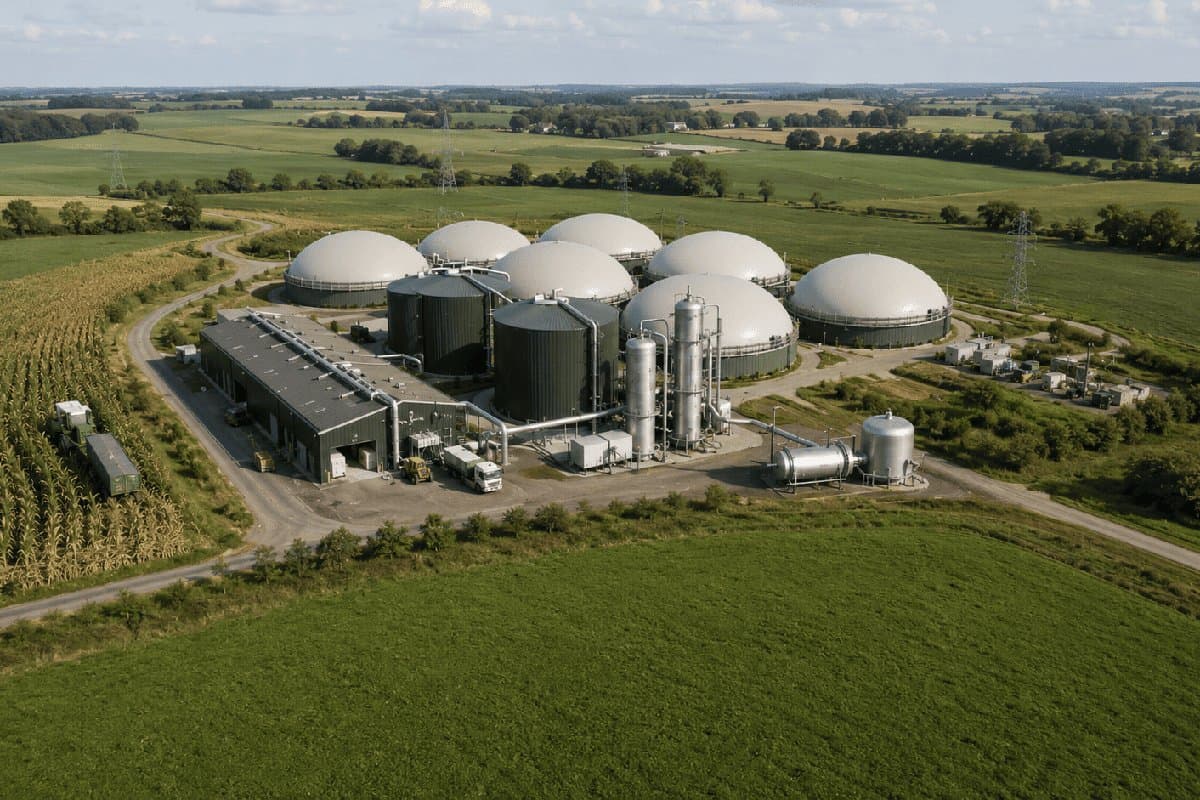
Biomass is used for energy or fuel, while the biogenic CO2 released is captured and stored underground. A larger industrial pathway with geological storage.
Direct air capture
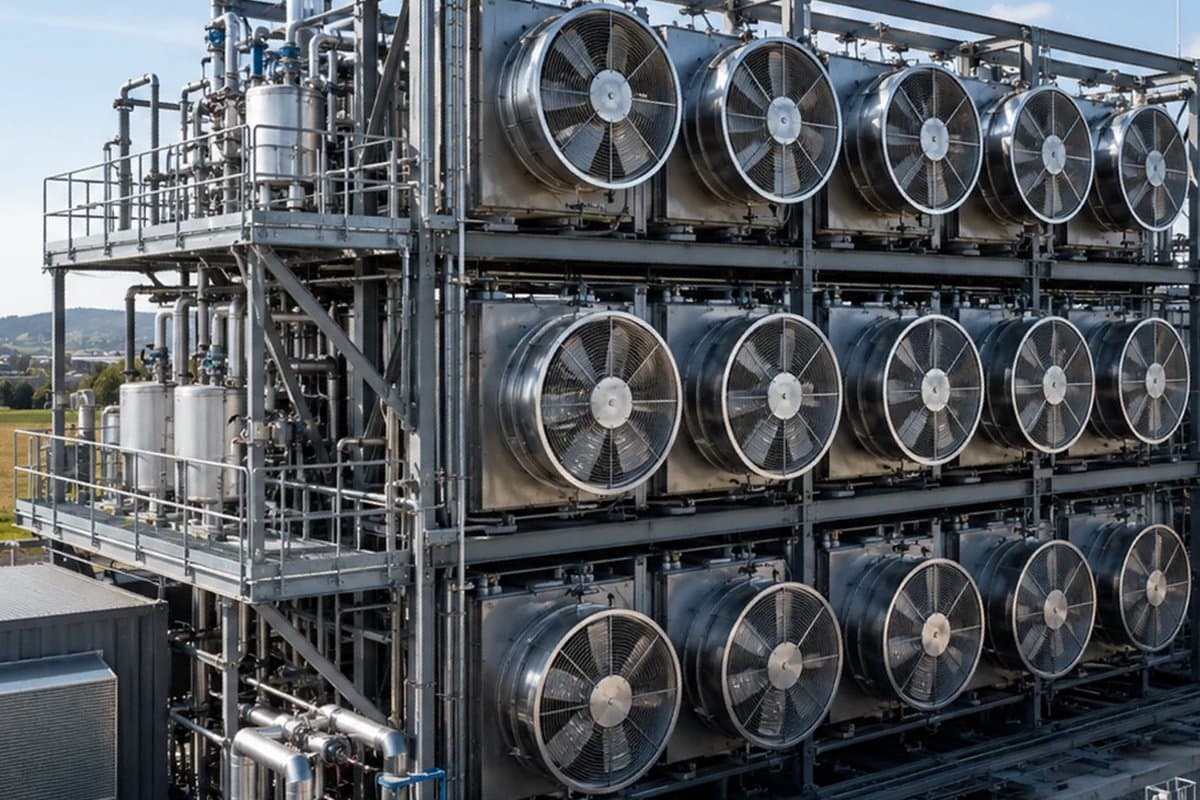
Chemical filters pull CO2 straight out of the air and store it deep underground, where it turns to stone. The most permanent and most precisely measured removal there is.