
BECCS carbon removal
Bioenergy with carbon capture and storage (BECCS) uses biomass to produce energy or fuel, then captures the biogenic CO2 released and stores it underground. Credit prices start at about €210 per tonne.

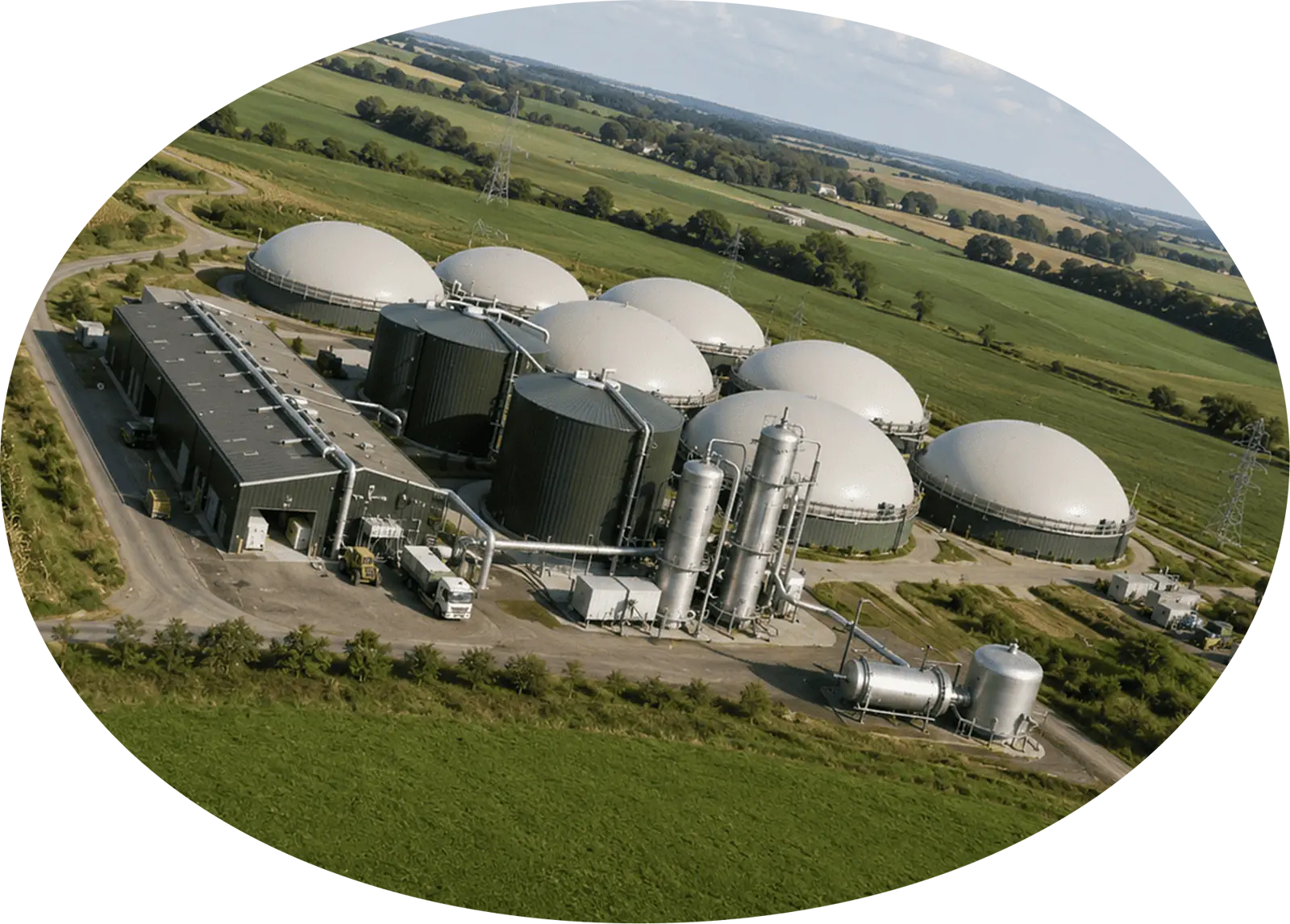

Overview
What you need to know about bioenergy with carbon capture and storage

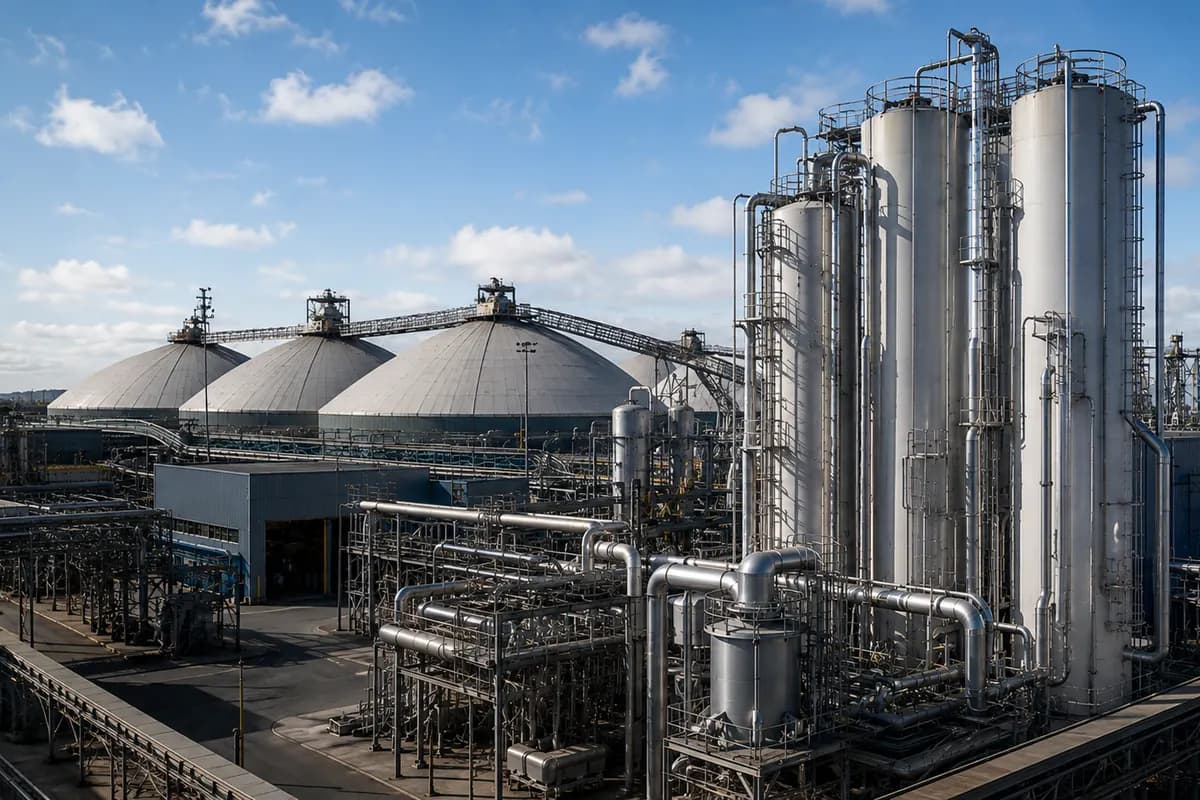
Biomass removes CO2 as it grows. It is then used for energy or fuel, while the biogenic CO2 released is captured and stored underground.

1,000+ years in monitored geological storage.

€210 to €390 per tonne, based on Senken’s indicative range.

Early commercial scale. Gevo has issued 582,556 credits, while most larger projects sell future supply through offtakes.

High for captured and stored CO2. The harder part is verifying biomass sourcing and net lifecycle emissions.

Puro.earth, Isometric, Verra, ACR and Gold Standard.

Long-lived removal with geological storage under the Oxford Principles for Net Zero Aligned Carbon Offsetting.
How it works
Science
BECCS links biological capture, energy production and geological storage. Here is what makes it a removal method, why the storage is durable, how it is measured and where the main risk lies.
Why it counts as removal
Plants remove CO2 from the atmosphere and store the carbon in biomass. Without capture, this carbon returns to the atmosphere when the biomass is converted into energy or fuel. BECCS captures it and stores it underground. A project counts as removal only when the CO2 stored exceeds emissions from sourcing and transporting the biomass, as well as capture and storage.
Why the storage is durable
Captured CO2 is injected into deep saline formations or depleted reservoirs. Geological barriers trap it underground, while some gradually dissolves or reacts with rock. Well-managed storage can retain CO2 for thousands of years and is not exposed to fire, drought or land-use change.
How removal is measured
Projects meter CO2 at capture and injection, then monitor the storage site. They also verify the biogenic share and deduct emissions from biomass, transport, energy use and storage. Credits represent only the net removal.
What is still being worked out
The main challenge is proving that the biomass delivers a genuine net removal. Waste and residue feedstocks can work well, while harvested wood or purpose-grown crops may reduce existing carbon stocks, cause land-use change or compete with food. Each project therefore needs close review of its feedstock, baseline and lifecycle boundaries.
Key research

Shows why biomass, conversion and transport must be assessed as one system.
Fajardy and Mac Dowell — 2017Finds that land-use emissions can offset BECCS removal when large areas are converted for biomass.
Harper et al. — 2018Reviews how feedstock, system boundaries and supply-chain emissions shape the net result.
Salas et al. — 2024Market and price
BECCS has attracted some of the largest durable removal agreements, but delivered supply remains limited. Most large projects are still being built, so buyers usually secure future tonnes through multi-year offtakes. Two risks matter. The first is carbon integrity: whether the biomass and lifecycle accounting support a genuine removal. The second is delivery: whether the project can start on time and supply the contracted tonnes.
Microsoft and Stockholm Exergi
5.08 million tonnes over ten years from a biomass-based heat and power plant in Stockholm. Deliveries are planned from 2028.
JPMorganChase and CO280
450,000 tonnes over 13 years from a US pulp and paper mill retrofit, priced below US$200 per tonne.
Frontier buyers and Hafslund Celsio
100,000 tonnes between 2029 and 2030 from a waste-to-energy plant in Oslo. Buyers include Stripe, Google, Shopify, H&M Group and Salesforce. Only the captured biogenic CO2 counts as removal.
Senken’s indicative price per tonne
8.9Gt
estimated annual technical potential by 2050 (IPCC AR6)
Carbon removal prices, 2026
€ per tonne of CO2 removed
BECCS
Other methods
Biochar
ERW
DAC
Senken’s indicative range for BECCS credits is €210 to €390 per tonne. The 2025 CDR.fyi and OPIS survey supports this range: suppliers reported an average break-even price of US$232 and a reasonable-profit price of US$301 per tonne.
Prices depend heavily on the capture route and infrastructure. Fermentation and biomethane facilities release concentrated CO2 streams, while power and heat plants need more energy to separate CO2 from exhaust. Short biomass supply chains and nearby storage also reduce costs.
Because most large agreements are private, the survey reflects buyer and supplier expectations rather than disclosed transaction prices. Stronger feedstock safeguards and more conservative accounting can raise prices, but also make the removal more credible.
Sources: Senken price analysis database, CDR.fyi and OPIS Durable CDR Pricing Survey and Sylvera.
Projects
BECCS quality depends on feedstock, lifecycle accounting and delivery. Senken checks these first, then assesses the full project across 600+ data points in the Sustainability Integrity Index.
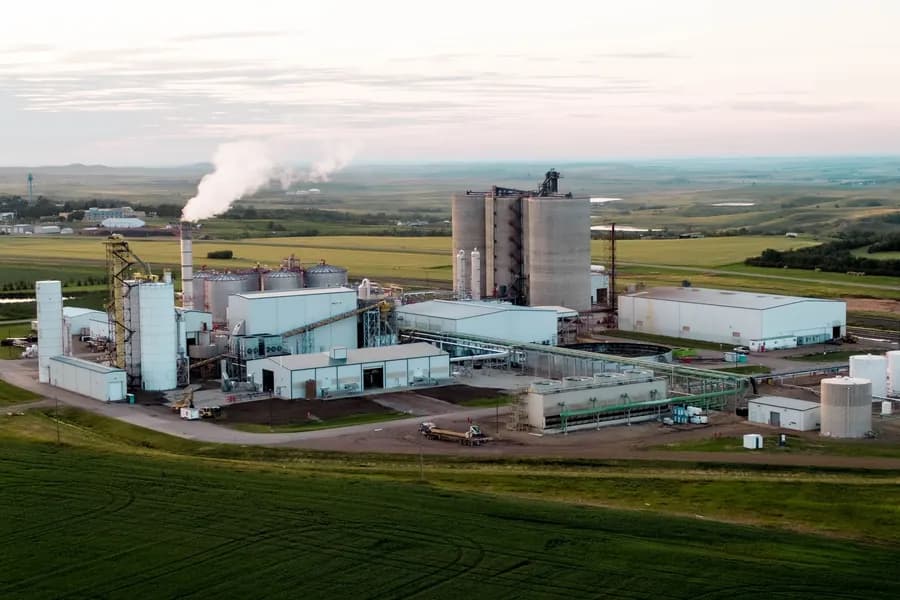
 United States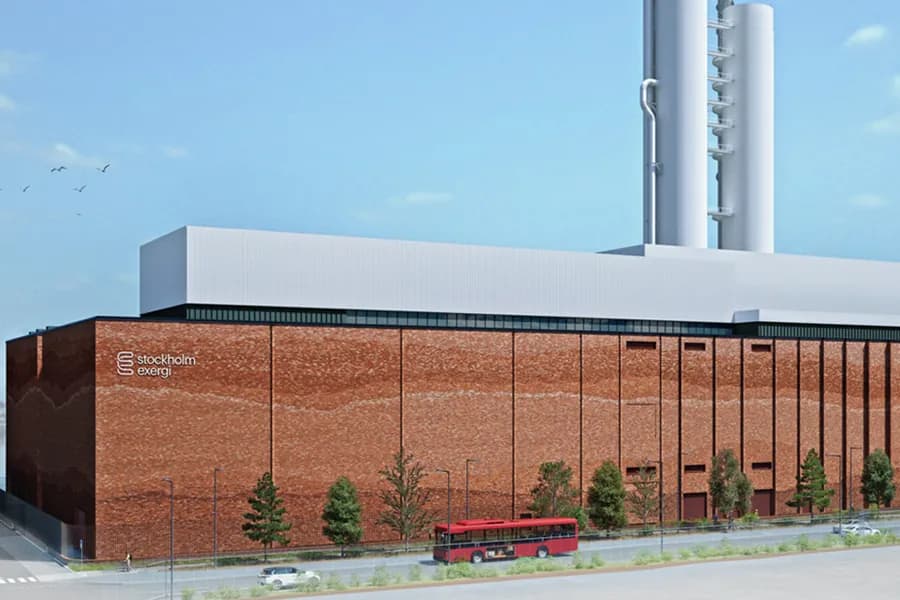
 Sweden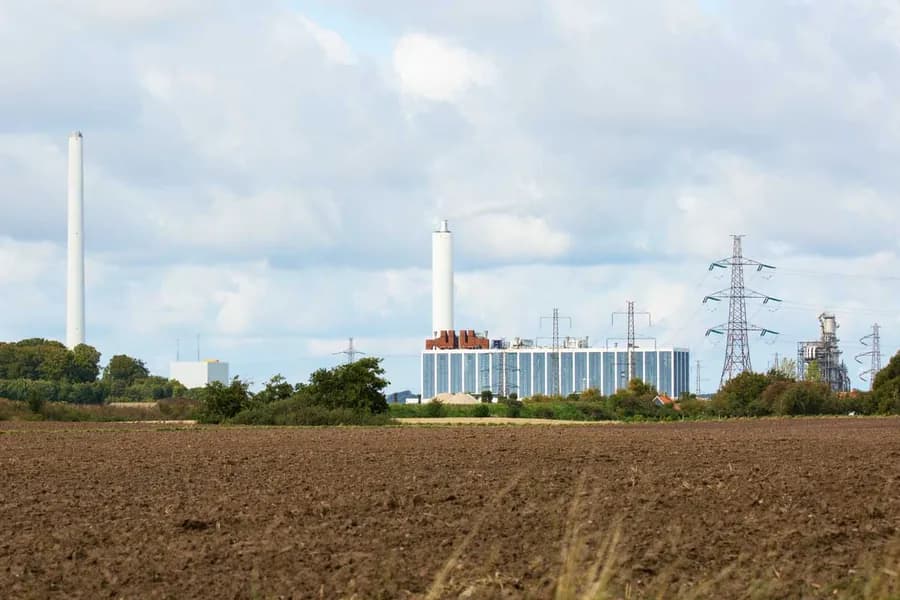
 Denmark
Procuring high-quality carbon removal for industry leaders











Build a BECCS portfolio that stands up to scrutiny
Senken screens feedstock, lifecycle emissions, geological storage and delivery risk. Tell us your volume, budget and timeline, and we source the right operating or forward supply.
Compliance
BECCS is long-lived carbon removal under SBTi and reportable under CSRD. The EU CRCF also has a dedicated BioCCS methodology for eligible EU projects.

SBTi
Under Version 2.0 of the Corporate Net-Zero Standard, companies must increasingly use long-lived removals for residual emissions from long-lived greenhouse gases, starting from 2035. BECCS stores CO2 in geological formations for centuries to millennia, so it can neutralise residual fossil CO2.

CSRD / ESRS E1-7
Purchased BECCS credits must be reported separately from gross emissions and emissions-reduction targets. Companies must disclose the volume, sink and quality standard. Credits cannot be subtracted from reported emissions.

EU CRCF
The EU CRCF BioCCS methodology covers eligible EU projects that capture biogenic emissions and store them permanently. It sets rules for lifecycle accounting, biomass sustainability, leakage and geological storage.
Standards
BECCS standards combine geological-storage rules with requirements for biomass and lifecycle accounting. Buyers should check that the methodology covers the project's feedstock, capture process and storage route.
Covers BECCS and DACCS. Requires net lifecycle accounting and issues CORCs with 1,000+ year durability.
Covers biogenic CO2 stored for more than 1,000 years, with modules for feedstock, energy, transport and storage.
Modular framework covering bioenergy capture, transport and geological storage. Projects may generate reductions or removals.
Covers BECCS, other biomass removal pathways, DACCS and conventional CCS, with biomass safeguards.
Covers fermentation CO2 and is being expanded to more bioenergy and industrial processes.
Comparison
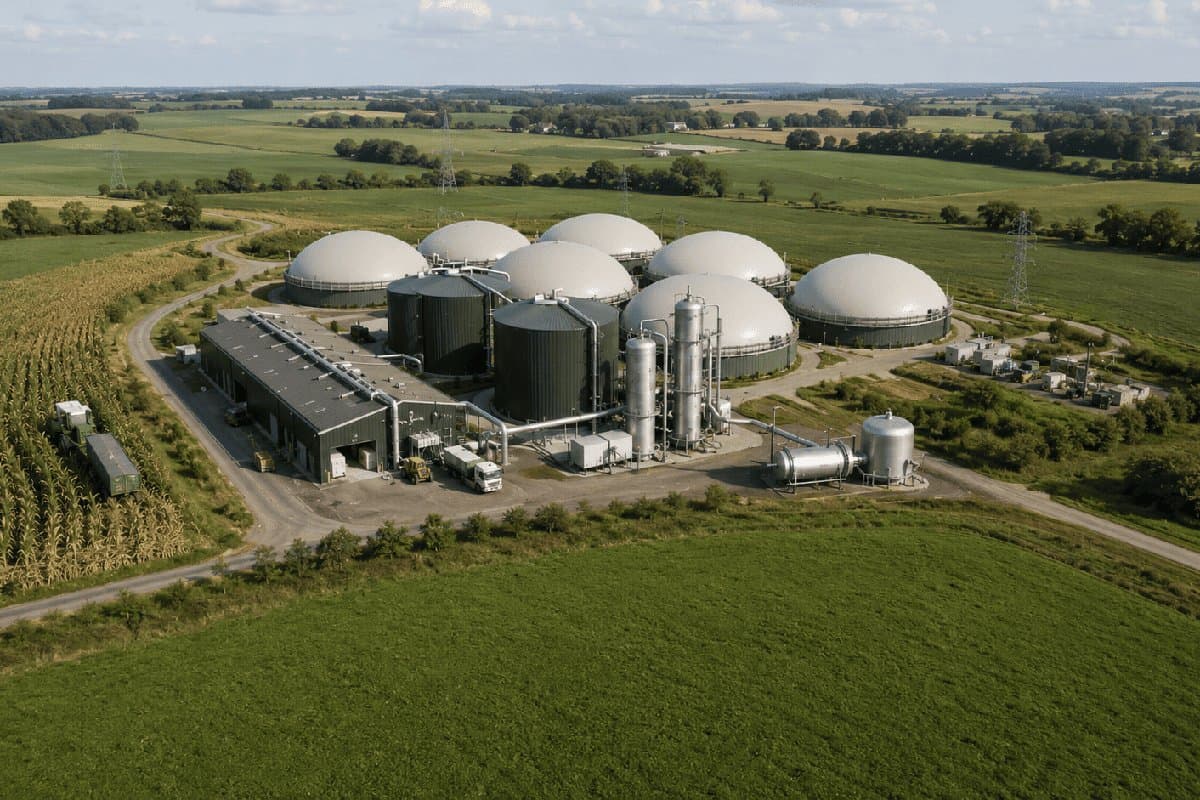
BECCS combines durable geological storage with electricity, heat or fuel production. CO2 is measured directly, but poor biomass sourcing or lifecycle accounting can erase the net removal. The full comparison is below.
| Method | How it stores carbon | Permanence | Reversal risk | MRV maturity | Price €/t (2026) | At scale today | IPCC scale potential | Maturity (TRL, 2026) | SBTi / CSRD fit | Land footprint | Co-benefits |
|---|---|---|---|---|---|---|---|---|---|---|---|
| Nature-based | |||||||||||
| Afforestation / reforestation | Trees photosynthesise CO2 into biomass | Decades to centuries, reversible | High: fire, disease, land-use change; buffer-pooled | Moderate: remote sensing + field plots | €25–45 | Yes | 0.5–10 Gt/yr | 8–9, mature | Removal, temporary tier; CSRD-reportable | High: needs new land | Biodiversity, water, rural jobs |
| Soil carbon | Roots and residues build soil organic carbon | Years to decades, reversible | High: tillage, land-use reversal; buffer-pooled | Low, contested: sampling + modelling | €20–55 | Yes | 0.6–9 Gt/yr | 8–9, mature | Removal, temporary tier; CSRD-reportable | Low: works existing farmland | Yield, water retention, soil health |
| Engineered / durable | |||||||||||
| Bioenergy + CCS (BECCS) | Bioenergy plus captured CO2 stored geologically | 1,000+ years | Very low: geological | High: metered CO2 | €210–390 | Limited | 0.5–11 Gt/yr | 6–8 | Durable removal; SBTi-eligible | High: needs feedstock land | Dispatchable energy |
| Biochar | Pyrolysis converts biomass to stable carbon | 100–1,000+ years | Very low: chemically stable; 10% buffer | High: batch lab analysis + digital MRV | €130–250 | Yes, strongest delivery record | 0.3–6.6 Gt/yr | 8–9, highest durable | Durable removal; SBTi-eligible; EU CRCF | Low: uses residues | Soil health, rural income, energy |
| Biomass storage | Waste biomass sealed from oxygen and decay | 100–1,000+ years | Low: anoxic isolation; site-dependent | High: mass balance + site monitoring | €120–170 | Emerging; scaling from 2027 | ~1–5 Gt/yr (early est.) | 5–7 | Durable removal; SBTi-eligible | Low: uses residues | Avoids residue burning |
| Enhanced rock weathering | Crushed silicate rock mineralises CO2 in soil | 10,000+ years, geochemical | Negligible: mineralised | Emerging: soil and water sampling, modelling | €185–300 | Limited | 2–4 Gt/yr | 4–6 | Durable removal; SBTi-eligible | Low: works existing farmland | Soil pH, crop yield |
| Direct air capture (DACCS) | Chemically filters CO2, stored geologically | 10,000+ years | Negligible: geological | Highest: directly metered | €350–500+ | Very limited | 5–40 Gt/yr | 6–7 | Durable removal; SBTi-eligible; EU CRCF | Minimal | None |
Sources: Prices from Sylvera nature-based corridors and the OPIS Durable CDR Market Dynamics survey; permanence and IPCC scale potential from IPCC AR6 (Chapter 12, Table 12.6); TRL from 2026 readiness synthesis; SBTi Corporate Net-Zero Standard; ESRS E1-7.
BECCS carbon removal FAQ

Explore other removal methods
Afforestation, reforestation and revegetation
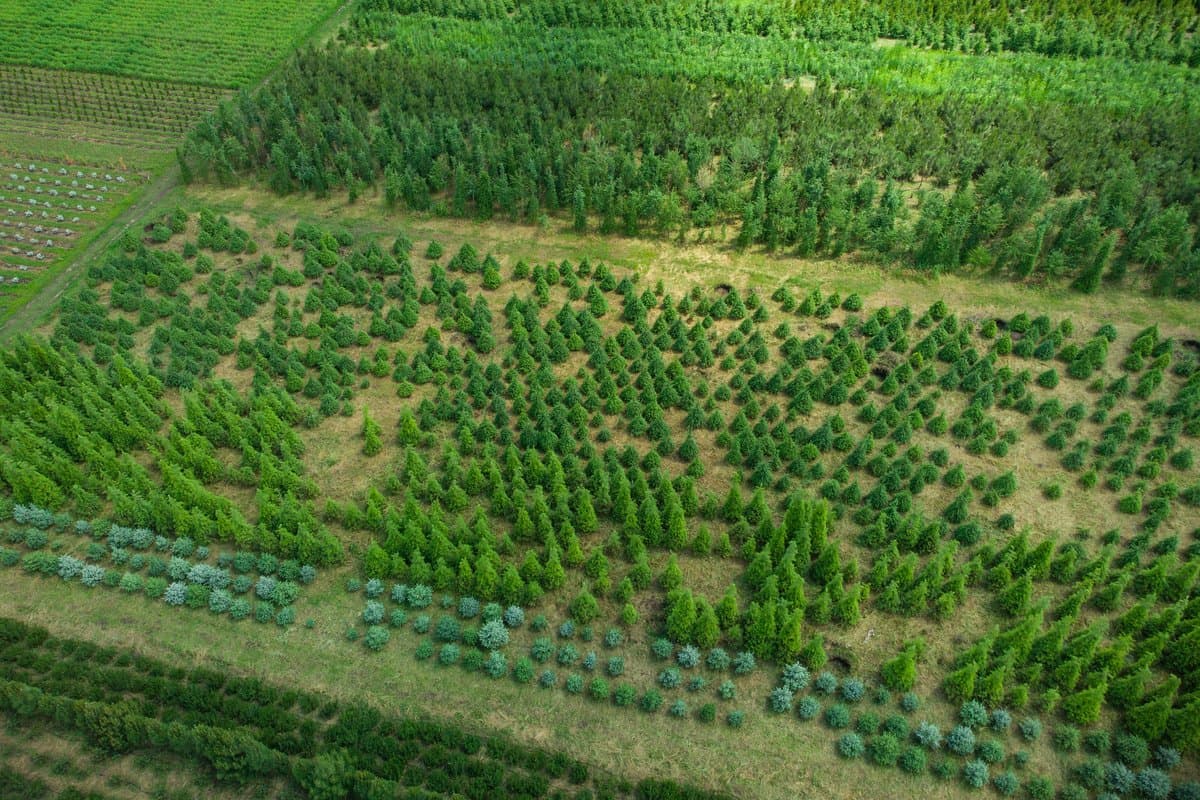
Trees and other woody vegetation remove CO2 and store it in wood, roots and soil. The most widely available removal method, with top-rated projects from about €25 per tonne.
Soil carbon
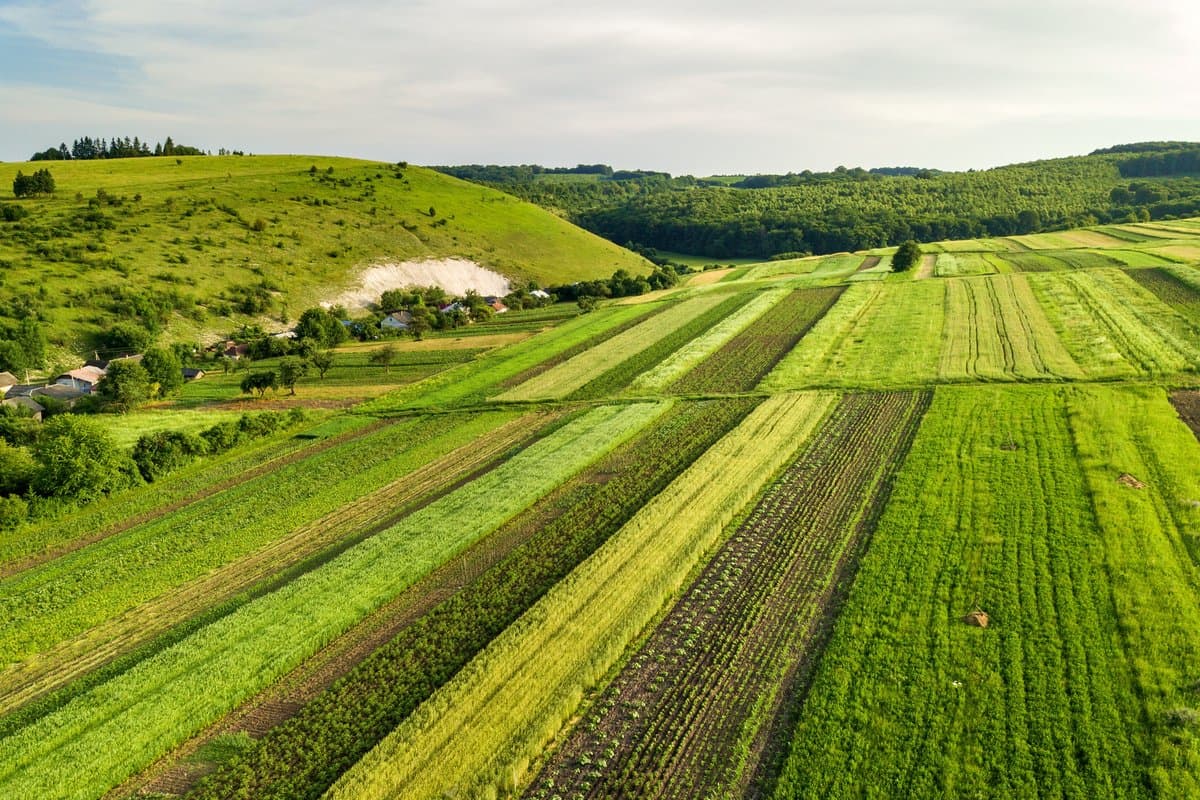
Farming practices move plant-captured carbon into agricultural soils. The lowest-cost removal method, scalable across existing farmland from about €20 per tonne.

Biochar
Pyrolysis converts waste biomass into stable carbon that stays locked away for centuries. The durable method that already delivers at scale, from about €100 per tonne.
Biomass storage
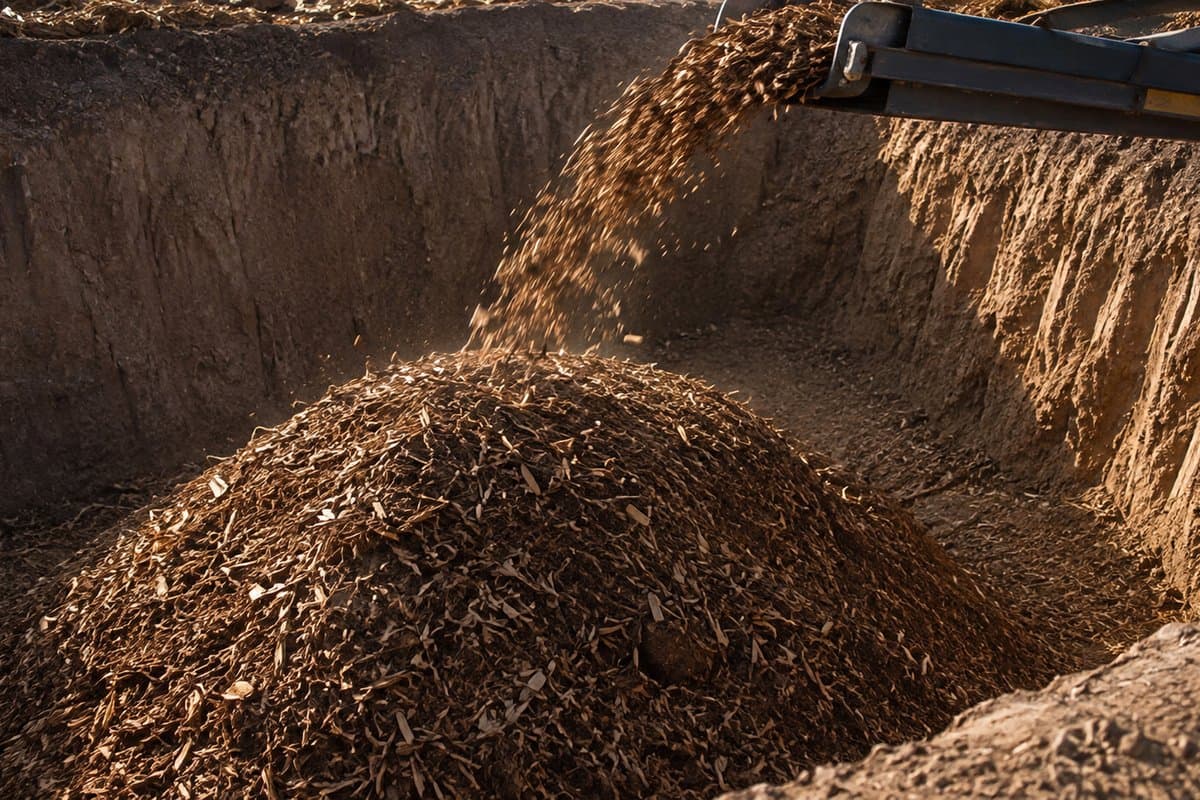
Waste biomass is stored in conditions that slow or prevent decomposition. A simpler durable biomass pathway that avoids the capture equipment needed for BECCS.
Enhanced rock weathering
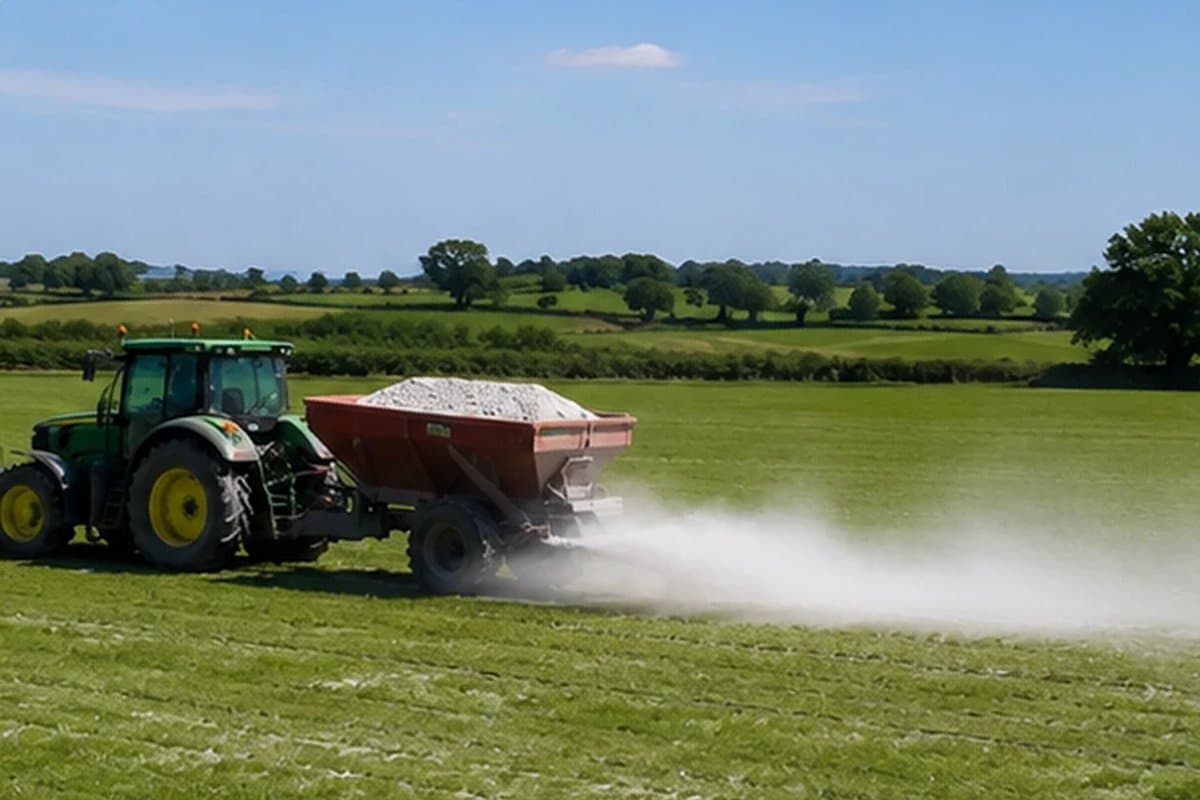
Crushed silicate rock reacts with CO2 and stores it as stable bicarbonate and carbonate. A durable removal method with agricultural co-benefits, from about €185 per tonne.
Direct air capture
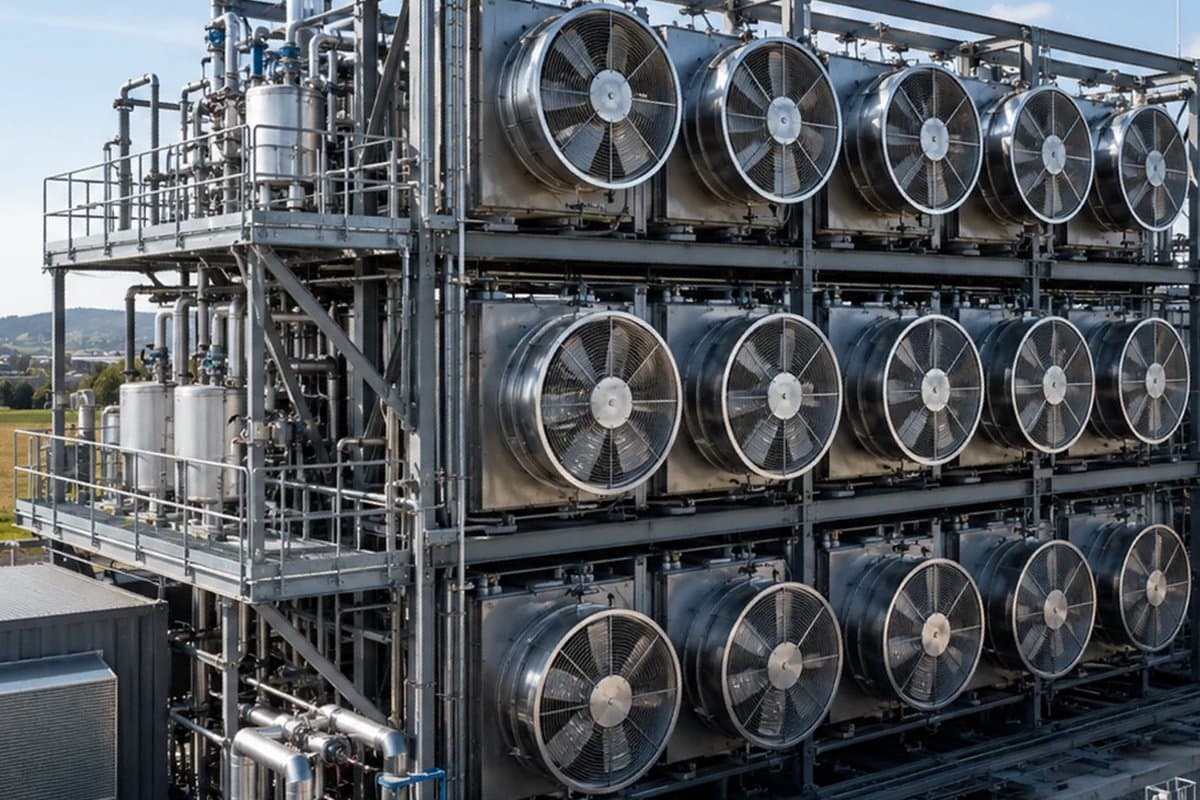
Chemical filters pull CO2 straight out of the air and store it deep underground, where it turns to stone. The most permanent and most precisely measured removal there is.