
Afforestation, reforestation and revegetation carbon removal
Afforestation, reforestation and revegetation (ARR) projects grow new forests and restore woody vegetation on degraded land. As trees grow, they remove CO2 from the atmosphere and store it in wood, roots and soil. ARR delivers more credits than any other removal method on major voluntary registries, with top-rated credits starting at about €25 per tonne.

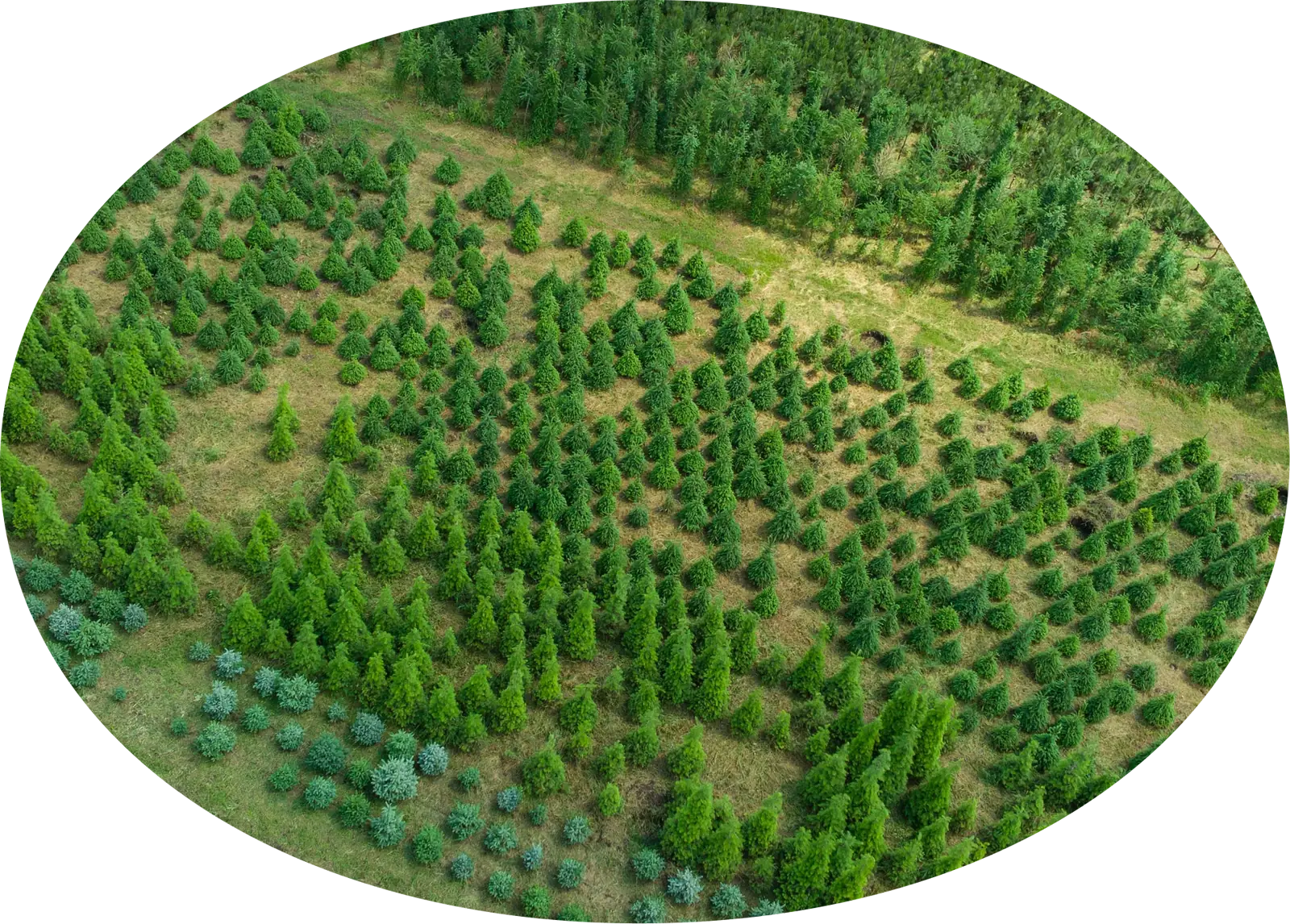

of all removal credits issued by six major voluntary registries in 2025 came from ARR projects. No other removal method delivered more.
Source: Berkeley Carbon Trading Project Voluntary Registry Offsets Database v2026-06
Overview
What you need to know about afforestation, reforestation and revegetation

Trees are planted or natural regrowth is protected on cleared or degraded land. The growing forest removes CO2 from the atmosphere, storing it in wood, roots and soil.

Decades to centuries. Fire, drought, disease, pests or land-use change can release the carbon again.

€25 to €45 per tonne for top-rated projects.

The largest volume of any removal method on major voluntary registries, with about 7.5 million credits issued in 2025.

Moderate. Field plots and satellite data measure growth and set the baseline. Independent auditors verify the removal before credits are issued.

Verra (VM0047), Gold Standard, ACR, Isometric, Plan Vivo and Climate Action Reserve.

Removal with biological storage under the Oxford Principles for Net Zero Aligned Carbon Offsetting.
How it works
Science
Why it counts as removal
ARR counts as carbon removal because it adds new carbon storage that would not otherwise exist. To issue credits, a project must show that the forest or vegetation would not have grown without it. This is different from REDD+, which protects existing forests and avoids emissions from deforestation.
Why the storage is not permanent
Forest carbon can remain stored for decades to centuries. Unlike carbon stored underground, it remains exposed to natural and human risks. Fire, drought, disease, pests or land-use change can reverse the removal and return CO2 to the atmosphere. This makes forest carbon shorter-lived than geological storage. Forests also take time to recover. In naturally regenerating tropical forests, reaching 90% of old-growth biomass takes a median of 66 years.
How removal is measured
Field teams measure trees in sample plots and use published equations to calculate how much carbon they store. Independent auditors check the results before credits are issued. The baseline is just as important: it estimates how much vegetation would have grown without the project.
What is still being worked out
Setting the baseline is one of the hardest parts of ARR accounting. If that estimate is too low, the project can issue more credits than the additional growth justifies. In a study of 182 Australian regeneration projects, almost 80% showed little or no increase in woody cover. Dynamic baselines are designed to reduce this risk. Under Verra’s VM0047, projects are compared with matched control areas and the baseline is updated at each verification. But these approaches are still new and have had limited real-world testing. Tree survival is another challenge: across 176 tropical and subtropical restoration sites in Asia, mean tree mortality was 18% after one year and 44% after five years.
Key research

Evaluated carbon accumulation using 13,112 field measurements and found more than 100-fold variation in natural forest regrowth rates worldwide.
Cook-Patton et al. — 2020Compared 182 Australian regeneration projects with surrounding land. Almost 80% showed negligible or negative changes in woody cover. Those projects had received 22.9 million credits.
Macintosh et al. — 2024Modelled disturbance-driven forest carbon losses and found the default Verra buffer contribution inadequate in 75% of the scenarios tested.
Anderegg et al. — 2025Market and price
ARR delivers more carbon removal credits than any other method on the six major registries. Around 7.5 million ARR credits were issued in 2025, more than all long-duration removal credits issued by those same registries to date. ARR also represented 58% of disclosed offtake volume in the first half of 2026. However, registry listings can make supply look larger than it is. Of 773 ARR projects listed in the Berkeley database, only 158 have issued credits.
Microsoft
signed an agreement for up to 18 million tonnes of ARR credits.
The Symbiosis Coalition
founded by Google, Meta, Microsoft and Salesforce, aims to contract up to 20 million tonnes of nature-based removal by 2030. Its first joint procurement focused on reforestation and agroforestry.
J.P. Morgan
led a financing facility of up to US$210 million for Chestnut Carbon. The facility is underpinned by a 25-year Microsoft offtake and was the first bank financing of its kind for a US voluntary-market afforestation project.
ARR credits issued in 2025, more than all long-duration removal credits issued by the same six registries to date (Berkeley Carbon Trading Project)
Senken’s current indicative price per tonne for top-rated ARR projects, making it one of the cheapest removal methods available
10.1Gt
Estimated annual technical potential, with a central estimate of 3.9 Gt (IPCC AR6 WGIII)
Carbon removal prices, 2026
€ per tonne of CO2 removed
ARR
Durable methods
Biochar
ERW
DAC
Senken’s current range for top-rated ARR credits is €25 to €45 per tonne, making ARR one of the cheapest removal methods available.
Quality has a clear effect on price. In the first half of 2026, ARR credits rated BBB or higher averaged US$28.55 per tonne, compared with US$9.12 for credits rated BB or lower.
Prices at the top end of the market are rising. The average spot price for high-quality ARR credits increased from US$14 at the start of 2025 to US$26 by December.
Sources: Senken price analysis database, Sylvera market data, Berkeley Carbon Trading Project and IPCC AR6 WGIII.
Projects
ARR quality varies widely from one project to another. Senken screens additionality, measurement and reversal risk first, then assesses the full project across 600+ data points in the Sustainability Integrity Index.
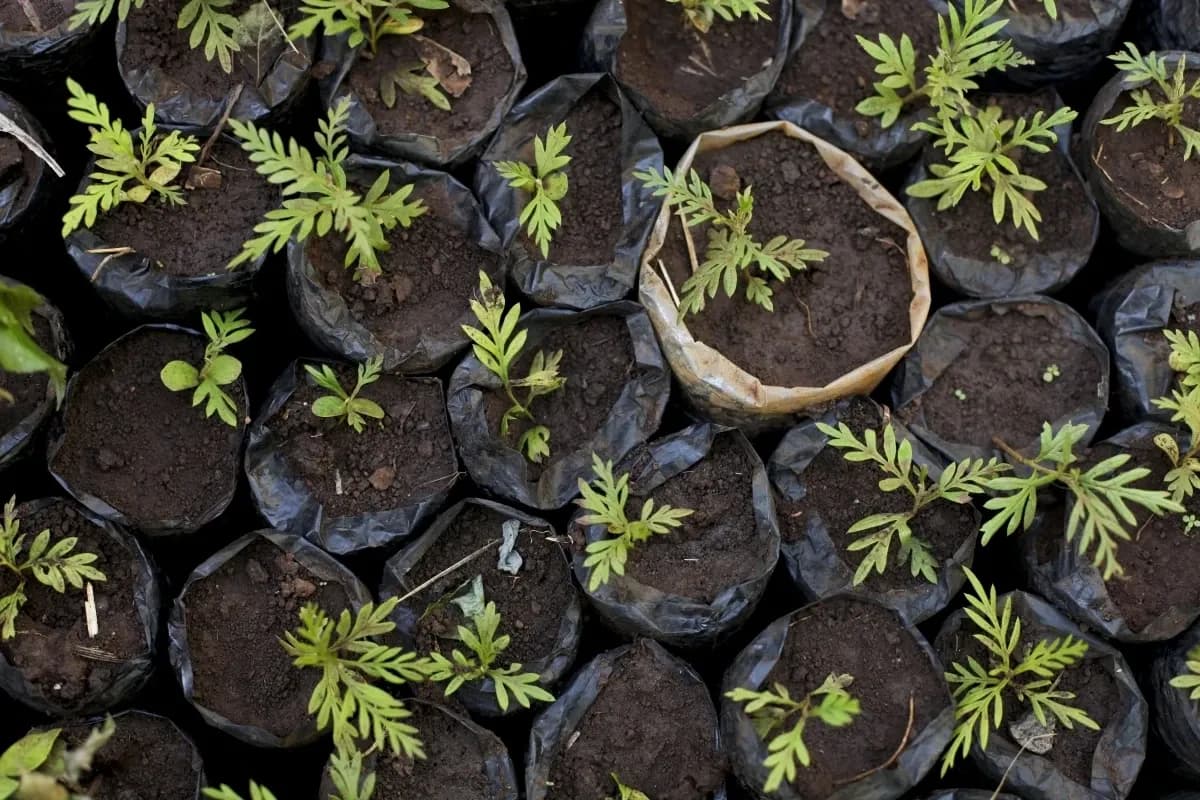
 Uganda
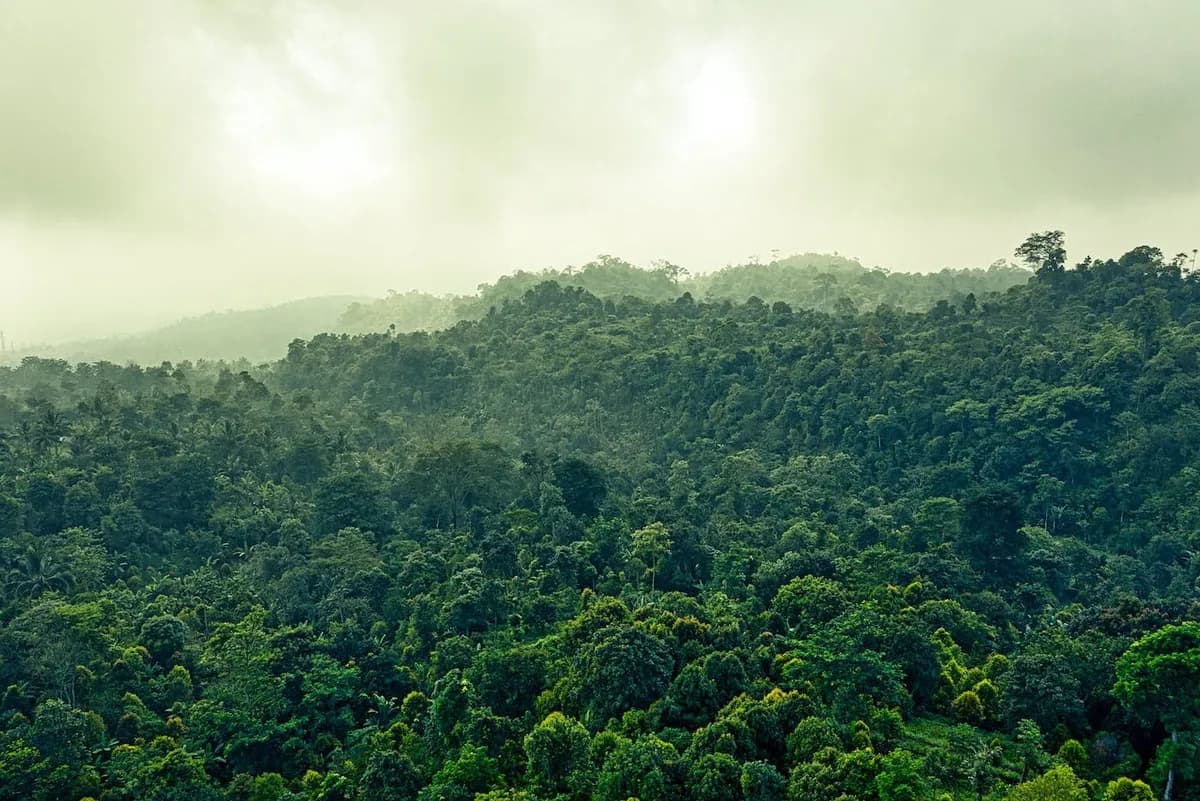
 Brazil
 Estonia
Procuring high-quality carbon removal for industry leaders











Build an ARR portfolio that holds an audit
Senken curates portfolios from top-rated ARR projects and screens each one for additionality, measurement and reversal risk. Tell us your target volume, budget and compliance requirements, and we procure the portfolio for you.
Compliance
ARR is disclosed as carbon removal under CSRD. The EU CRCF also covers afforestation as temporary carbon storage. Under SBTi and ICVCM, ARR is considered a short-permanence removal.

SBTi
Under Version 2.0 of the Corporate Net-Zero Standard, companies must increasingly use long-lived removals for residual emissions from long-lived greenhouse gases, starting from 2035. ARR stores carbon for decades to centuries, so it belongs to the short-lived category. It can support a wider removals portfolio, but it cannot replace durable removal for residual fossil CO2.

CSRD / ESRS E1-7
Under ESRS E1-7, purchased carbon credits must be disclosed separately from gross emissions and emissions-reduction targets. Companies must state the share from removal projects, whether those removals use biogenic or technological sinks, and which quality standards were used. Credits cannot be netted against reported emissions.

EU CRCF
The European Commission adopted a CRCF carbon-farming methodology for afforestation in July 2026. It treats afforestation as temporary carbon storage rather than permanent removal. The methodology applies to projects in the EU. Other ARR activities are not automatically covered by this specific methodology.
Standards
ARR is certified across several major registries. The ICVCM currently lists CCP-approved ARR methodologies or protocols from ACR, Isometric and Verra. The first credits under Verra’s VM0047 were issued in April 2026.
Uses remote sensing, field plots and a dynamic performance benchmark. The baseline is reassessed at each verification. Buffer contributions are set through a project-specific non-permanence risk assessment.
Its Afforestation and Reforestation of Degraded Lands methodology covers land expected to remain degraded without the project. Versions 1.0 to 1.2 are CCP-approved.
Its Reforestation Protocol covers reforestation, assisted natural regeneration and enhanced carbon stocks on degraded land. Version 1.1 received CCP approval in February 2026.
Known for strong community and safeguard requirements. Forestry projects contribute a fixed 20% to a pooled compliance buffer. Its ARR methodology remains under ICVCM assessment.
Focuses on smallholder and community-led projects. Projects must assess reversal risks and contribute 20% of carbon benefits to a risk buffer.
Its Mexico Forest Protocol covers afforestation and reforestation. Projects choose a 30- or 100-year permanence commitment. The ARR protocol remains under ICVCM assessment.
Comparison
ARR is the cheapest removal method and the one available at the largest volume today. Well-designed projects can also restore ecosystems, support biodiversity, improve soil health and water quality, and create income for local communities. However, forest carbon can be lost through fire, disease or land-use change, so frameworks treat ARR as shorter-lived carbon storage.
| Method | How it stores carbon | Permanence | Reversal risk | MRV maturity | Price €/t (2026) | At scale today | IPCC scale potential | Maturity (TRL, 2026) | SBTi / CSRD fit | Land footprint | Co-benefits |
|---|---|---|---|---|---|---|---|---|---|---|---|
| Nature-based | |||||||||||
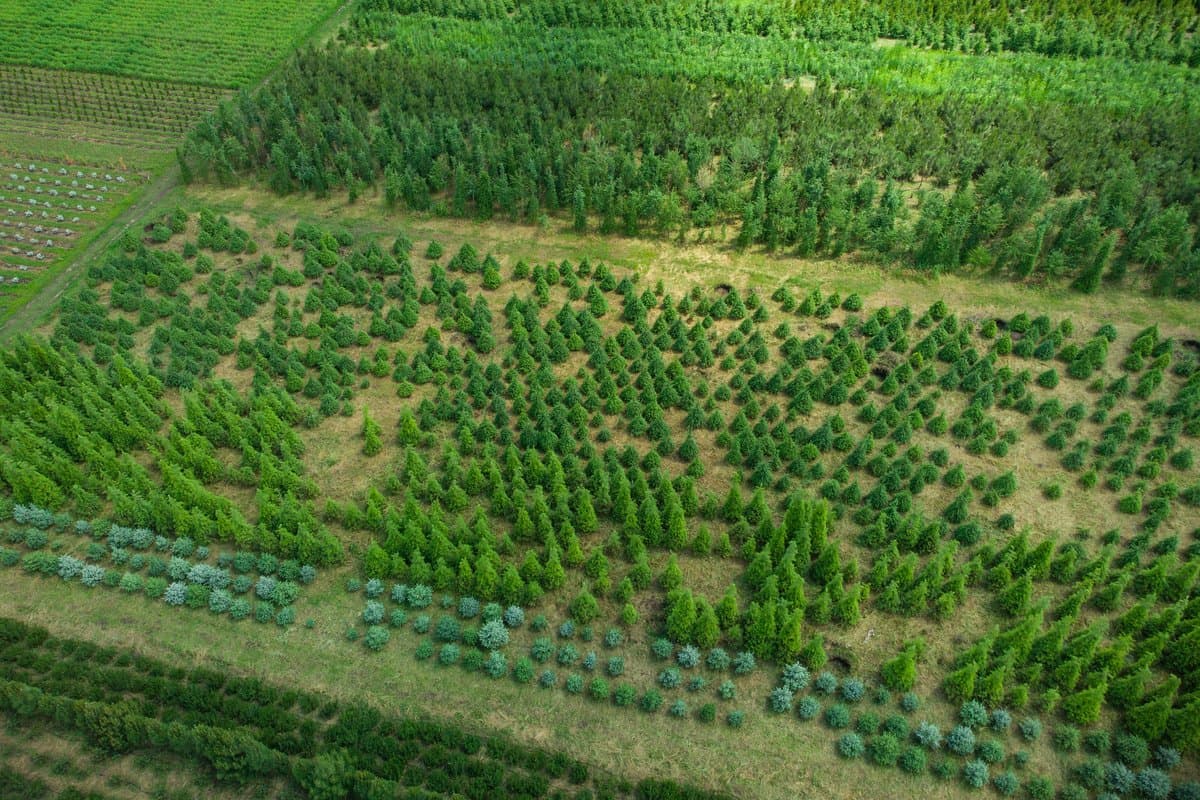
| Afforestation / reforestation | Trees photosynthesise CO2 into biomass | Decades to centuries, reversible | High: fire, disease, land-use change; buffer-pooled | Moderate: remote sensing + field plots | €25–45 | Yes | 0.5–10 Gt/yr | 8–9, mature | Removal, temporary tier; CSRD-reportable | High: needs new land | Biodiversity, water, rural jobs |
| Soil carbon | Roots and residues build soil organic carbon | Years to decades, reversible | High: tillage, land-use reversal; buffer-pooled | Low, contested: sampling + modelling | €20–55 | Yes | 0.6–9 Gt/yr | 8–9, mature | Removal, temporary tier; CSRD-reportable | Low: works existing farmland | Yield, water retention, soil health |
| Engineered / durable | |||||||||||
| Biochar | Pyrolysis converts biomass to stable carbon | 100–1,000+ years | Very low: chemically stable; 10% buffer | High: batch lab analysis + digital MRV | €130–250 | Yes, strongest delivery record | 0.3–6.6 Gt/yr | 8–9, highest durable | Durable removal; SBTi-eligible; EU CRCF | Low: uses residues | Soil health, rural income, energy |
| Biomass storage | Waste biomass sealed from oxygen and decay | 100–1,000+ years | Low: anoxic isolation; site-dependent | High: mass balance + site monitoring | €120–170 | Emerging; scaling from 2027 | ~1–5 Gt/yr (early est.) | 5–7 | Durable removal; SBTi-eligible | Low: uses residues | Avoids residue burning |
| Enhanced rock weathering | Crushed silicate rock mineralises CO2 in soil | 10,000+ years, geochemical | Negligible: mineralised | Emerging: soil and water sampling, modelling | €185–300 | Limited | 2–4 Gt/yr | 4–6 | Durable removal; SBTi-eligible | Low: works existing farmland | Soil pH, crop yield |
| Bioenergy + CCS (BECCS) | Bioenergy plus captured CO2 stored geologically | 1,000+ years | Very low: geological | High: metered CO2 | €210–390 | Limited | 0.5–11 Gt/yr | 6–8 | Durable removal; SBTi-eligible | High: needs feedstock land | Dispatchable energy |
| Direct air capture (DACCS) | Chemically filters CO2, stored geologically | 10,000+ years | Negligible: geological | Highest: directly metered | €350–500+ | Very limited | 5–40 Gt/yr | 6–7 | Durable removal; SBTi-eligible; EU CRCF | Minimal | None |
Sources: Prices from Sylvera nature-based corridors and the OPIS Durable CDR Market Dynamics survey; permanence and IPCC scale potential from IPCC AR6 (Chapter 12, Table 12.6); TRL from 2026 readiness synthesis; SBTi Corporate Net-Zero Standard; ESRS E1-7.
Afforestation, reforestation and revegetation FAQ

Explore other removal methods
Soil carbon
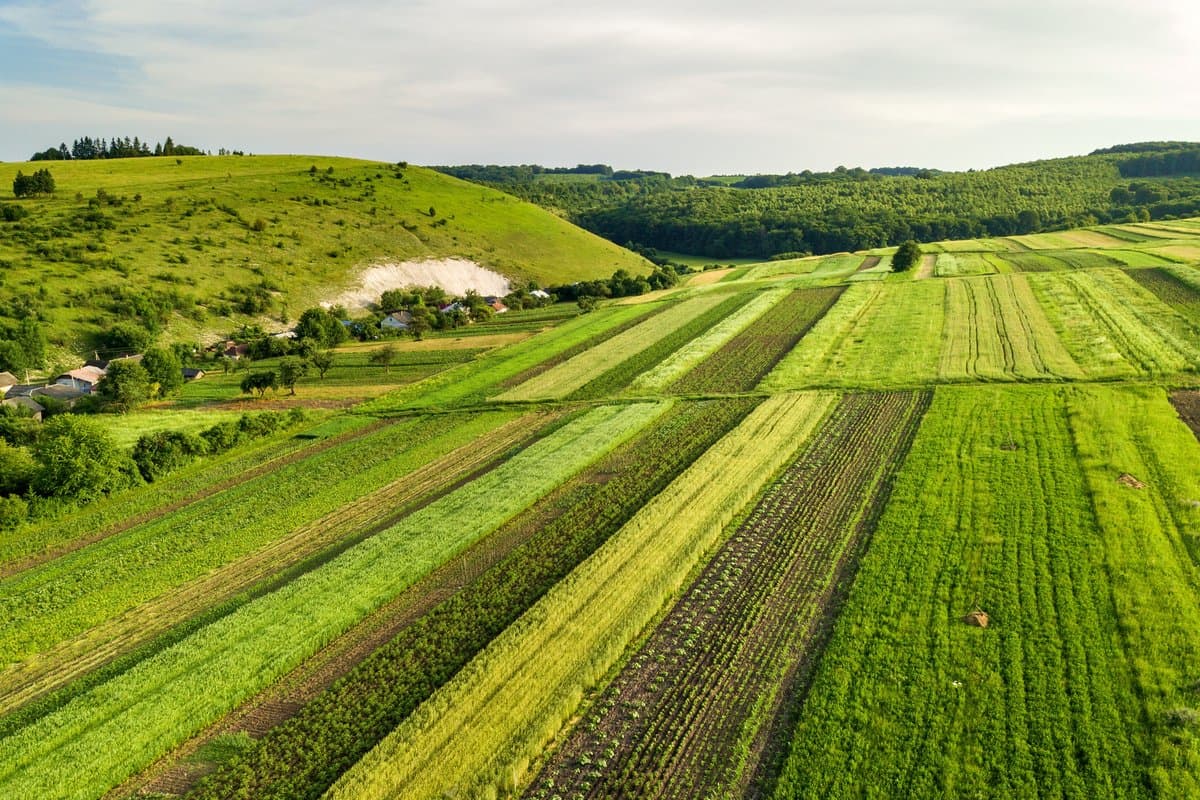
Farming practices move plant-captured carbon into agricultural soils. The lowest-cost removal method, scalable across existing farmland from about €20 per tonne.
Biochar
Pyrolysis converts waste biomass into stable carbon that stays locked away for centuries. The durable method that already delivers at scale, from about €100 per tonne.
Biomass storage
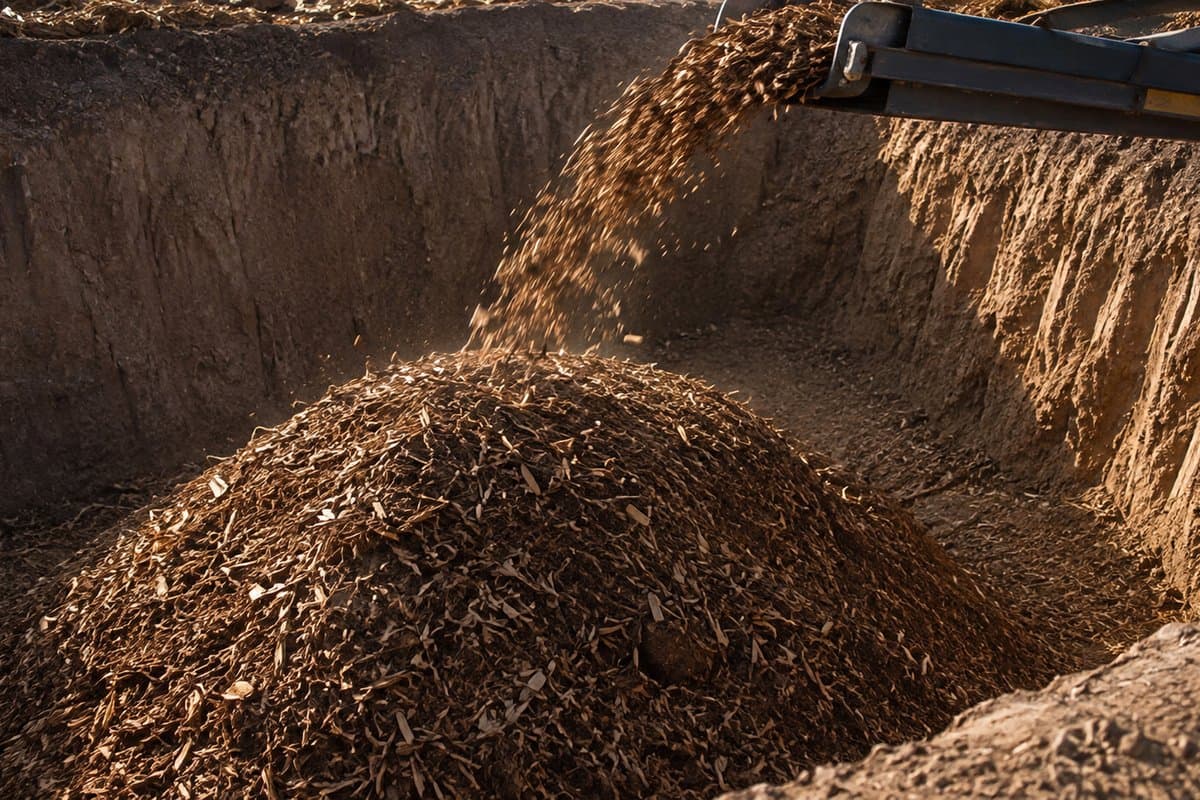
Waste biomass is stored in conditions that slow or prevent decomposition. A simpler durable biomass pathway that avoids the capture equipment needed for BECCS.
Enhanced rock weathering
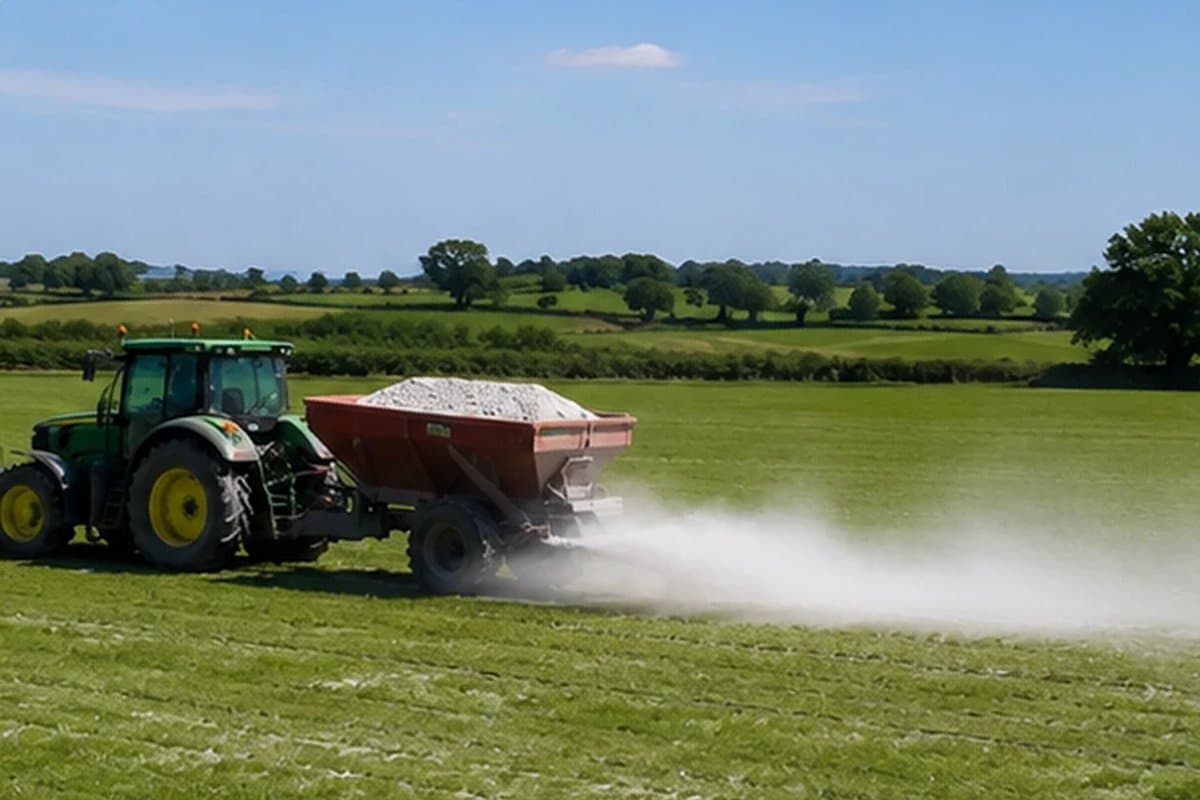
Crushed silicate rock reacts with CO2 and stores it as stable bicarbonate and carbonate. A durable removal method with agricultural co-benefits, from about €185 per tonne.
BECCS
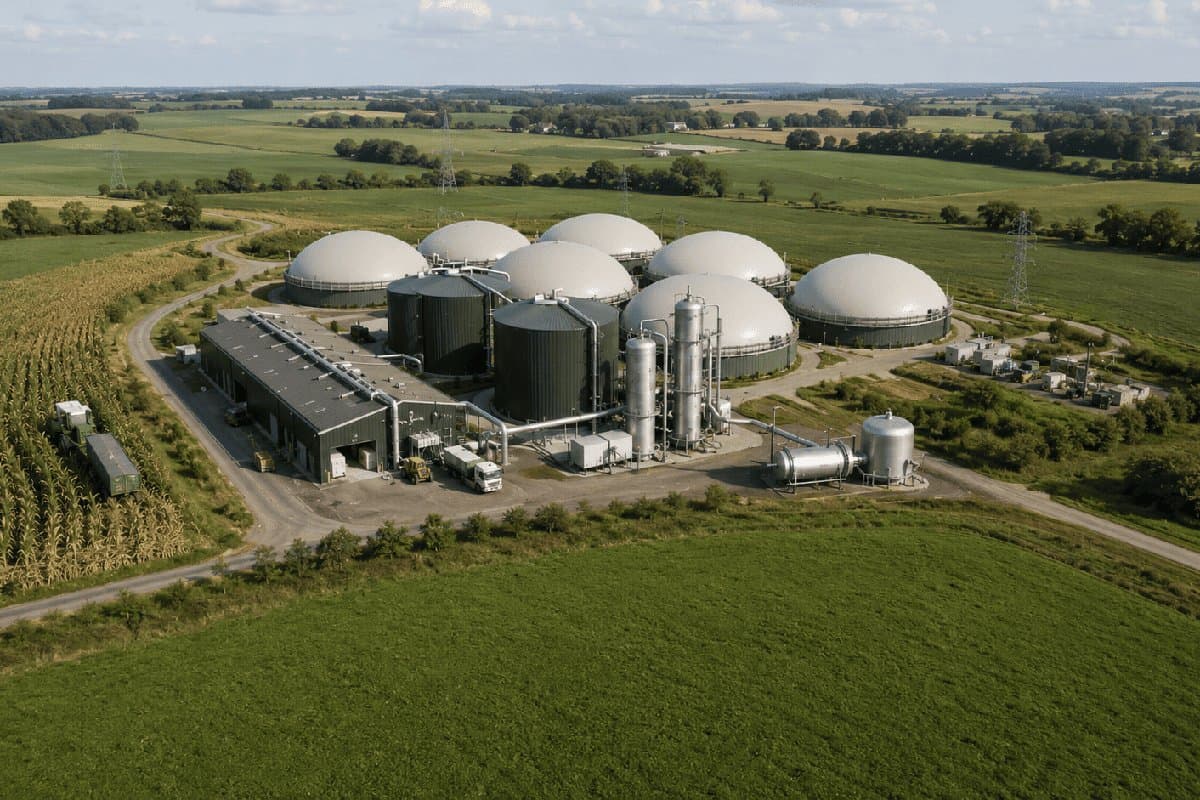
Biomass is used for energy or fuel, while the biogenic CO2 released is captured and stored underground. A larger industrial pathway with geological storage.
Direct air capture
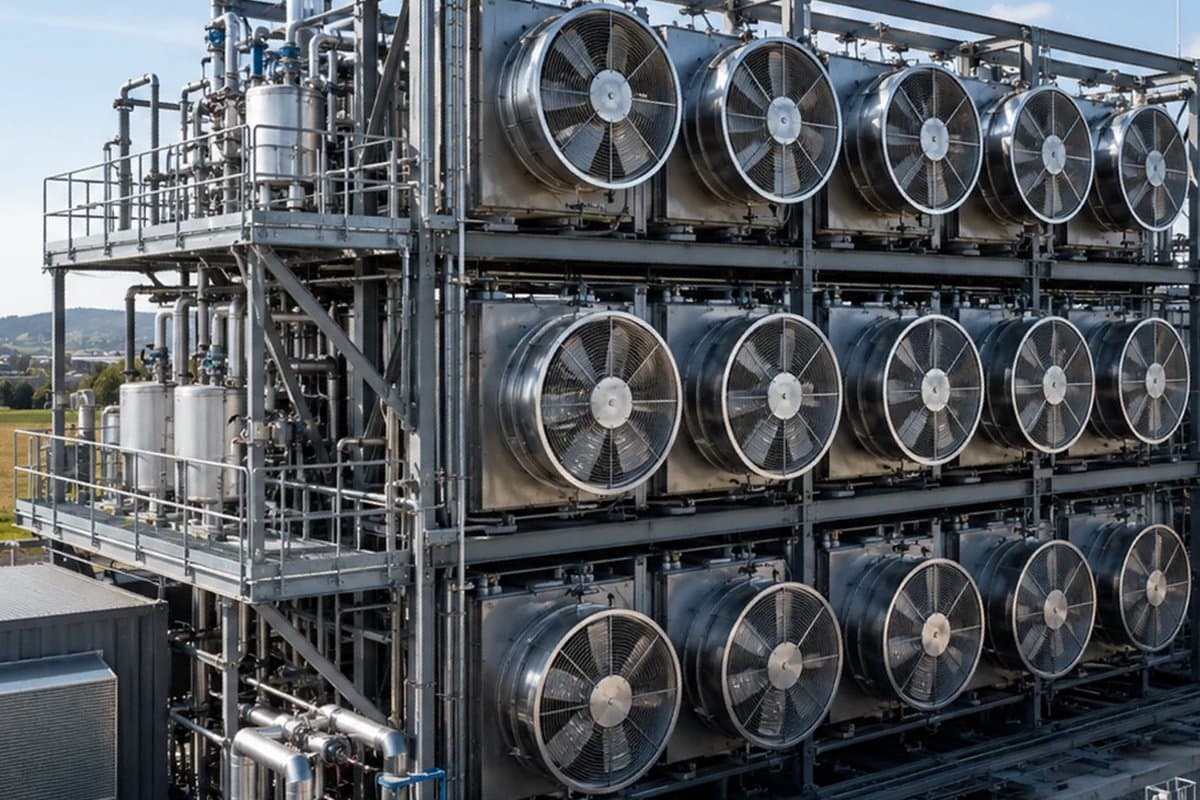
Chemical filters pull CO2 straight out of the air and store it deep underground, where it turns to stone. The most permanent and most precisely measured removal there is.