
Soil carbon removal
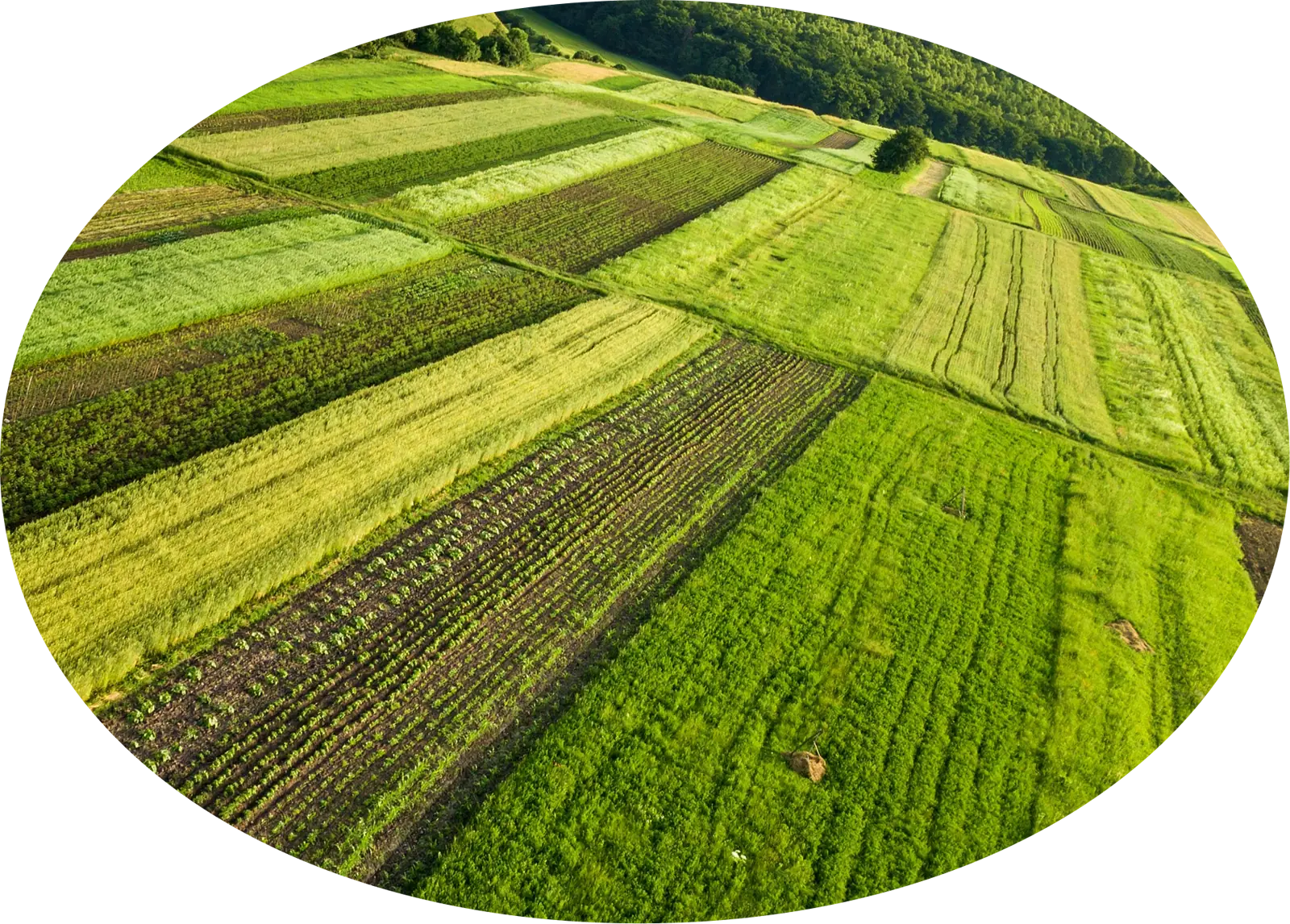
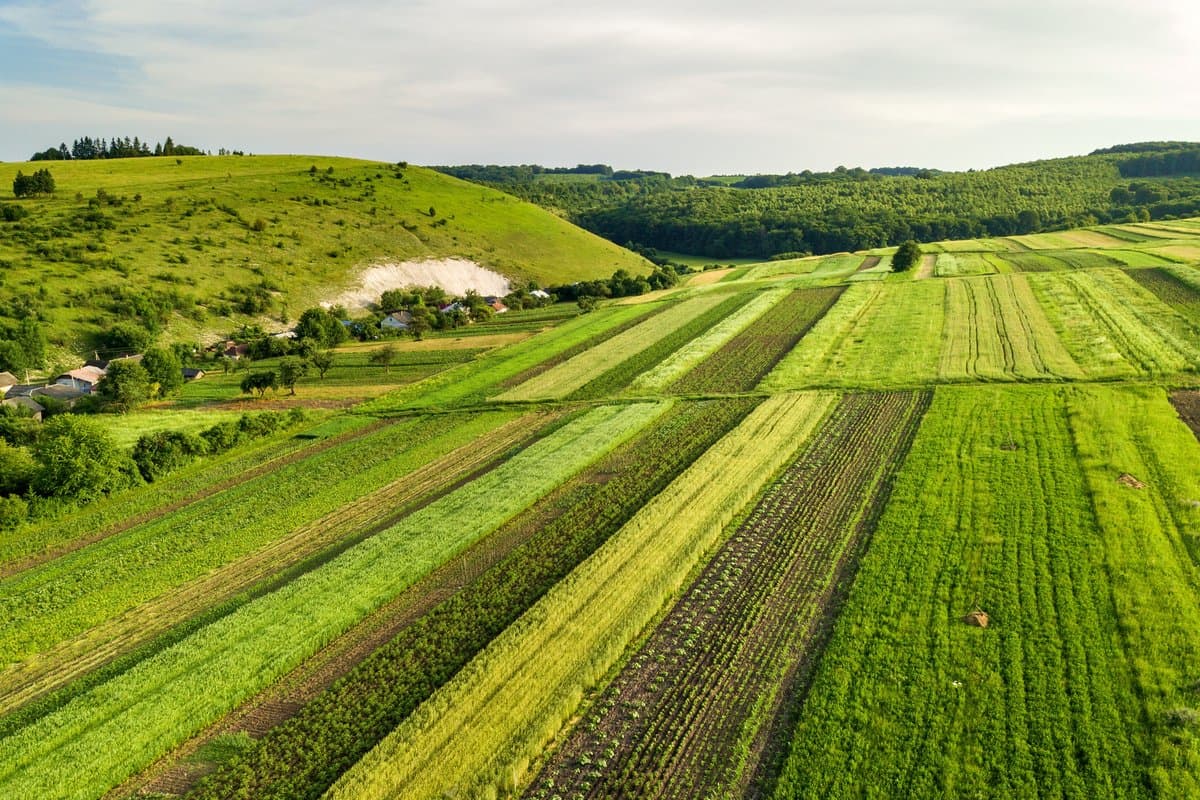
Farming practices such as cover crops, residue retention and reduced tillage move more plant-captured carbon into the soil and slow its return to the atmosphere. Soil carbon credits, also known as Regenerative Agriculture, start at about €20 per tonne, making it one of the lowest-cost removal methods.


Overview
What you need to know about soil carbon removal

Carbon captured by plants enters the soil through roots, root exudates and crop residues. Soil organisms process it, and some becomes protected in the soil from rapid decomposition.

Short-lived and reversible. Some soil carbon can remain for decades or longer, but the credited gain can decline if farming practices or land use change.

€20 to €55 per tonne.

Commercial scale. Million-tonne issuances and multi-million-tonne offtakes already exist, showing that soil carbon can operate across large farming programmes.

Moderate and improving. Soil samples measure carbon directly, while models estimate how it changes between sampling rounds. Because the results are not exact, projects apply conservative deductions before issuing credits.

Verra VM0042, Climate Action Reserve Soil Enrichment Protocol, Gold Standard Soil Organic Carbon Framework and the Australian ACCU Soil Carbon Method.

Removal with short-lived biological storage under the Oxford Principles for Net Zero Aligned Carbon Offsetting.
How it works
Science
Why it counts as removal
Intensive farming can reduce the amount of carbon stored in soil. Soil carbon projects use improved practices to rebuild part of it through roots, root exudates and crop residues. A project counts as removal when the soil stores more carbon than it would have without those practices.
Why the storage is temporary
Some carbon decomposes quickly, while some can remain in the soil for decades. But it still sits in managed land, so changes in tillage, grazing or land use can release it again. The amount added each year also tends to fall over time as the soil reaches its storage capacity.
How removal is measured
Projects compare soil samples over time, while models estimate changes between sampling rounds and across fields that were not sampled. These methods are not exact: results depend on where and how deeply samples are taken, as well as the assumptions used in the model. Credible projects therefore apply conservative uncertainty deductions before issuing credits.
What is still being worked out
The main challenge is measuring small, additional increases across highly variable farmland and keeping the carbon stored over time. More sampling improves confidence but raises costs, while models depend on the data and assumptions used. Methodologies also differ in baselines, sampling depth and uncertainty, making project-level review essential.
Key research

Sets out the components of a credible soil carbon MRV system and explains why representative sampling, reporting and verification are needed to detect real stock changes.
Smith et al. — 2020Shows why soil carbon should be treated as several interacting pools rather than one uniform store, with different formation processes and residence times.
Angst et al. — 2023Compares major soil carbon crediting protocols and finds important differences in baselines, sampling, modelling and uncertainty treatment.
Dupla et al. — 2024Market and price
Soil carbon can scale across existing farms without requiring new capture facilities or industrial infrastructure. Its growth depends on farmer participation and credible measurement, and large programmes already show commercial potential. However, not every agricultural credit is a removal. Some represent lower farm emissions, so buyers should pay attention to the removal share, methodology and monitoring data.
Microsoft and Indigo Agriculture
Microsoft will purchase 2.85 million soil carbon removal credits over 12 years. The agreement supports regenerative agriculture across US farmland.
AgreenaCarbon
The European programme issued 2.3 million Verra credits across 1.6 million hectares in 2025. About 1.1 million tonnes were removals and 1.2 million tonnes were emission reductions.
soil carbon removals issued by Agreena in 2025, the first large-scale cropland project under Verra VM0042
Senken’s indicative price per tonne
9.3Gt
estimated annual technical potential (IPCC AR6)
Carbon removal prices, 2026
€ per tonne of CO2 removed
Soil carbon
Other methods
ARR
Biochar
ERW
Senken’s price range for soil carbon credits is €20 to €55 per tonne. However, prices are not always like-for-like. Some programmes issue soil carbon removals alongside avoidance credits for reducing emissions from fertiliser, fuel, methane or nitrous oxide.
Premium long-term agreements can be above this range. For example, Reuters reported that Indigo credits usually sell for US$60 to US$80 per tonne.
Sources: Senken price analysis database, Reuters and IPCC AR6 WGIII.
Projects
Soil carbon quality depends on the project’s baseline, measurement approach and ability to keep farmers engaged over time. Senken assesses these factors first, then scores the full project across 600+ data points in the Sustainability Integrity Index.
 Germany

 Denmark
 South Africa
Procuring high-quality carbon removal for industry leaders











Build a soil carbon portfolio that holds an audit
Senken screens soil carbon projects for additionality, measurement quality and reversal risk. Tell us your target volume, budget and compliance requirements, and we procure a portfolio that fits your wider strategy.
Compliance
Soil carbon can be disclosed as carbon removal under CSRD and is covered by the EU CRCF's carbon-farming methodology for agricultural mineral soils. Under SBTi, its role is limited by durability because the carbon remains exposed to changes in land management.

SBTi
Under Version 2.0 of the Corporate Net-Zero Standard, companies must increasingly use long-lived removals for residual emissions from long-lived greenhouse gases, starting from 2035. Soil carbon is in the short-lived category because the stock can be reversed when land management changes. It can support a wider removals portfolio, but it cannot replace durable removal for residual CO2 emissions.

CSRD / ESRS E1-7
Purchased carbon credits must be disclosed separately from gross emissions and emissions-reduction targets. Companies must report the share from removal projects, the type of sink and the quality standards used. Credits cannot be subtracted from reported emissions.

EU CRCF
The European Commission adopted a CRCF methodology for carbon farming in July 2026. It covers agriculture and agroforestry on mineral soils, including activities that increase soil organic carbon. The methodology treats these outcomes as temporary carbon storage and applies to projects in the EU.
Standards
The leading soil carbon standards differ most in how they set baselines, measure stock changes and manage reversals. Two methodology versions currently carry ICVCM approval: Verra VM0042 v2.2 and the Climate Action Reserve Soil Enrichment Protocol v1.1. Both approvals include conditions.
Quantifies both emission reductions and soil organic carbon removals from improved agricultural land management. CCP approval applies when soil carbon is measured using approved techniques other than digital soil mapping.
Covers agricultural management changes in the US. CCP approval requires a minimum 40-year project commitment and excludes rotational or intensive grazing activities.
A framework with activity modules for practices such as reduced tillage, cover crops and managed pastures. It can quantify both sequestration and avoided emissions. Under ICVCM assessment.
Uses direct soil measurement or a hybrid approach combining measurement and models. Projects carry long-term permanence and monitoring obligations.
Comparison
Soil carbon is low-cost, scalable across existing farmland and can improve soil health and farmer income. However, the storage can be reversed and the removal is usually estimated rather than measured precisely.
| Method | How it stores carbon | Permanence | Reversal risk | MRV maturity | Price €/t (2026) | At scale today | IPCC scale potential | Maturity (TRL, 2026) | SBTi / CSRD fit | Land footprint | Co-benefits |
|---|---|---|---|---|---|---|---|---|---|---|---|
| Nature-based | |||||||||||
| Soil carbon | Roots and residues build soil organic carbon | Years to decades, reversible | High: tillage, land-use reversal; buffer-pooled | Low, contested: sampling + modelling | €20–55 | Yes | 0.6–9 Gt/yr | 8–9, mature | Removal, temporary tier; CSRD-reportable | Low: works existing farmland | Yield, water retention, soil health |
| Afforestation / reforestation | Trees photosynthesise CO2 into biomass | Decades to centuries, reversible | High: fire, disease, land-use change; buffer-pooled | Moderate: remote sensing + field plots | €25–45 | Yes | 0.5–10 Gt/yr | 8–9, mature | Removal, temporary tier; CSRD-reportable | High: needs new land | Biodiversity, water, rural jobs |
| Engineered / durable | |||||||||||
| Biochar | Pyrolysis converts biomass to stable carbon | 100–1,000+ years | Very low: chemically stable; 10% buffer | High: batch lab analysis + digital MRV | €130–250 | Yes, strongest delivery record | 0.3–6.6 Gt/yr | 8–9, highest durable | Durable removal; SBTi-eligible; EU CRCF | Low: uses residues | Soil health, rural income, energy |
| Biomass storage | Waste biomass sealed from oxygen and decay | 100–1,000+ years | Low: anoxic isolation; site-dependent | High: mass balance + site monitoring | €120–170 | Emerging; scaling from 2027 | ~1–5 Gt/yr (early est.) | 5–7 | Durable removal; SBTi-eligible | Low: uses residues | Avoids residue burning |
| Enhanced rock weathering | Crushed silicate rock mineralises CO2 in soil | 10,000+ years, geochemical | Negligible: mineralised | Emerging: soil and water sampling, modelling | €185–300 | Limited | 2–4 Gt/yr | 4–6 | Durable removal; SBTi-eligible | Low: works existing farmland | Soil pH, crop yield |
| Bioenergy + CCS (BECCS) | Bioenergy plus captured CO2 stored geologically | 1,000+ years | Very low: geological | High: metered CO2 | €210–390 | Limited | 0.5–11 Gt/yr | 6–8 | Durable removal; SBTi-eligible | High: needs feedstock land | Dispatchable energy |
| Direct air capture (DACCS) | Chemically filters CO2, stored geologically | 10,000+ years | Negligible: geological | Highest: directly metered | €350–500+ | Very limited | 5–40 Gt/yr | 6–7 | Durable removal; SBTi-eligible; EU CRCF | Minimal | None |
Sources: Prices from Sylvera nature-based corridors and the OPIS Durable CDR Market Dynamics survey; permanence and IPCC scale potential from IPCC AR6 (Chapter 12, Table 12.6); TRL from 2026 readiness synthesis; SBTi Corporate Net-Zero Standard; ESRS E1-7.
Soil carbon removal FAQ

Explore other removal methods
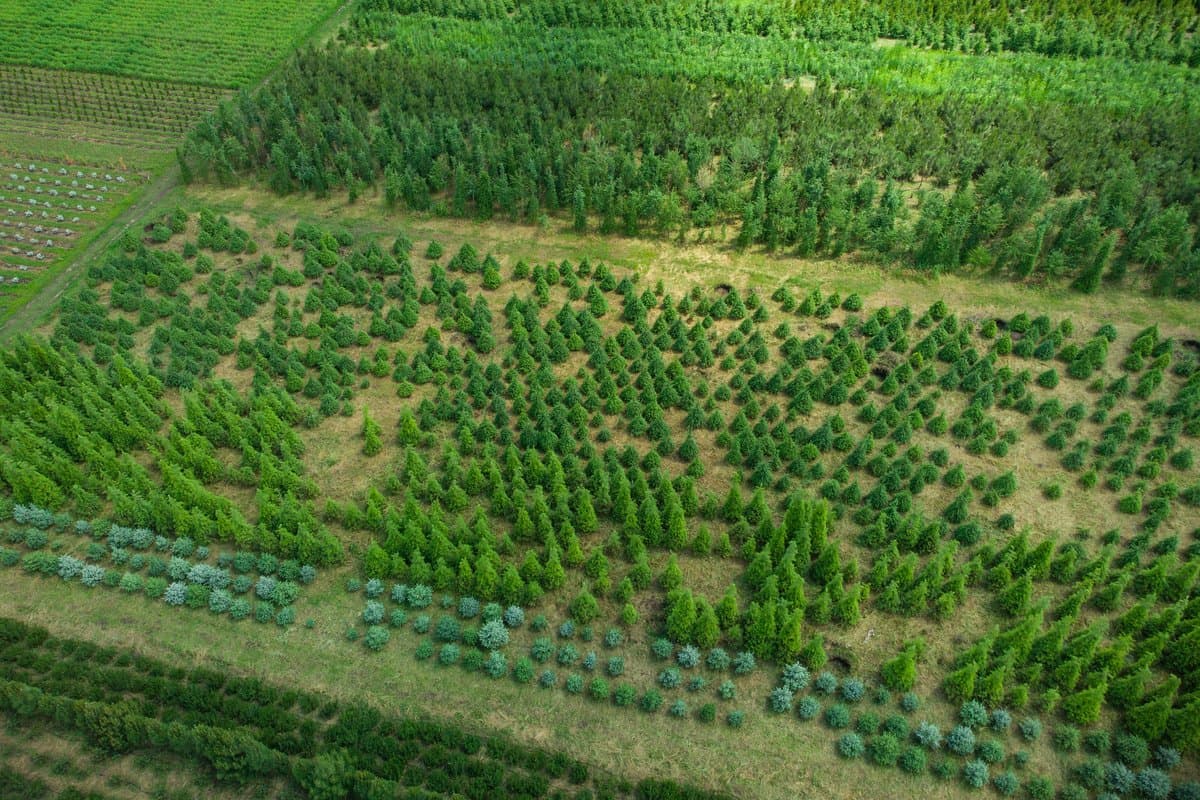
Afforestation, reforestation and revegetation
Trees and other woody vegetation remove CO2 and store it in wood, roots and soil. The most widely available removal method, with top-rated projects from about €25 per tonne.
Biochar
Pyrolysis converts waste biomass into stable carbon that stays locked away for centuries. The durable method that already delivers at scale, from about €100 per tonne.
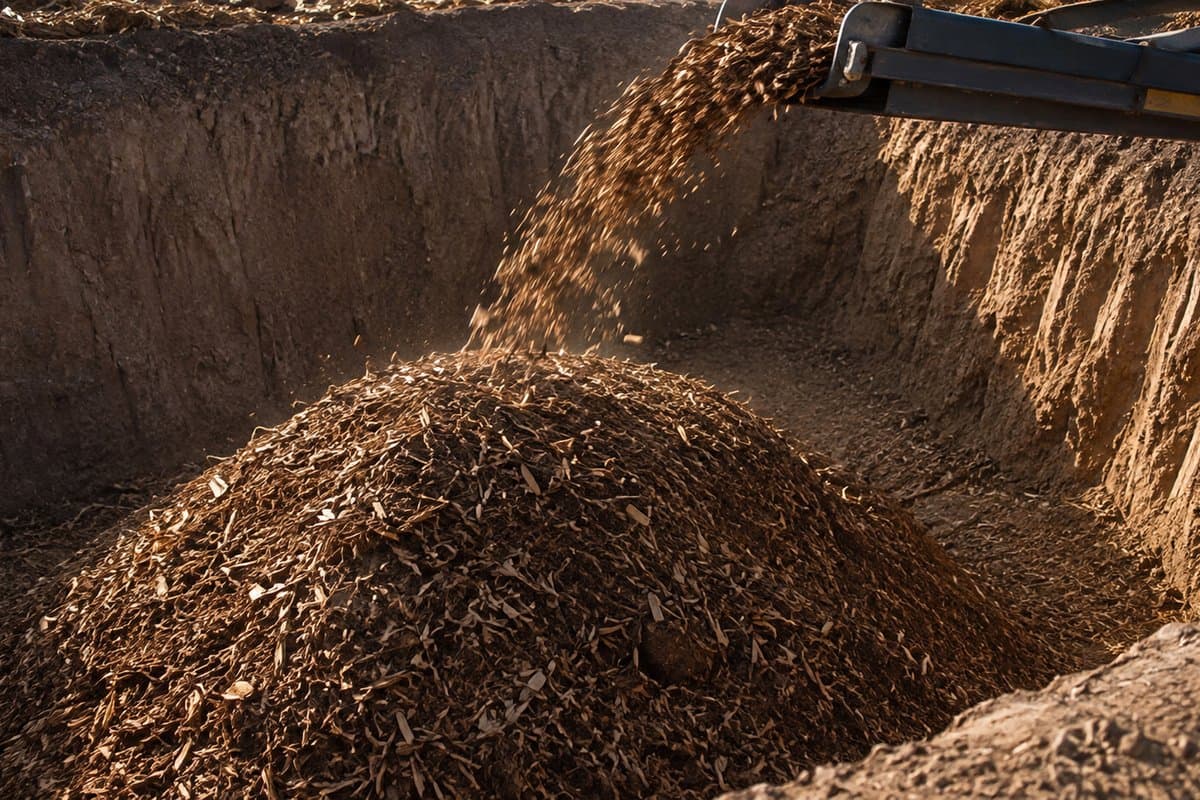
Biomass storage
Waste biomass is stored in conditions that slow or prevent decomposition. A simpler durable biomass pathway that avoids the capture equipment needed for BECCS.
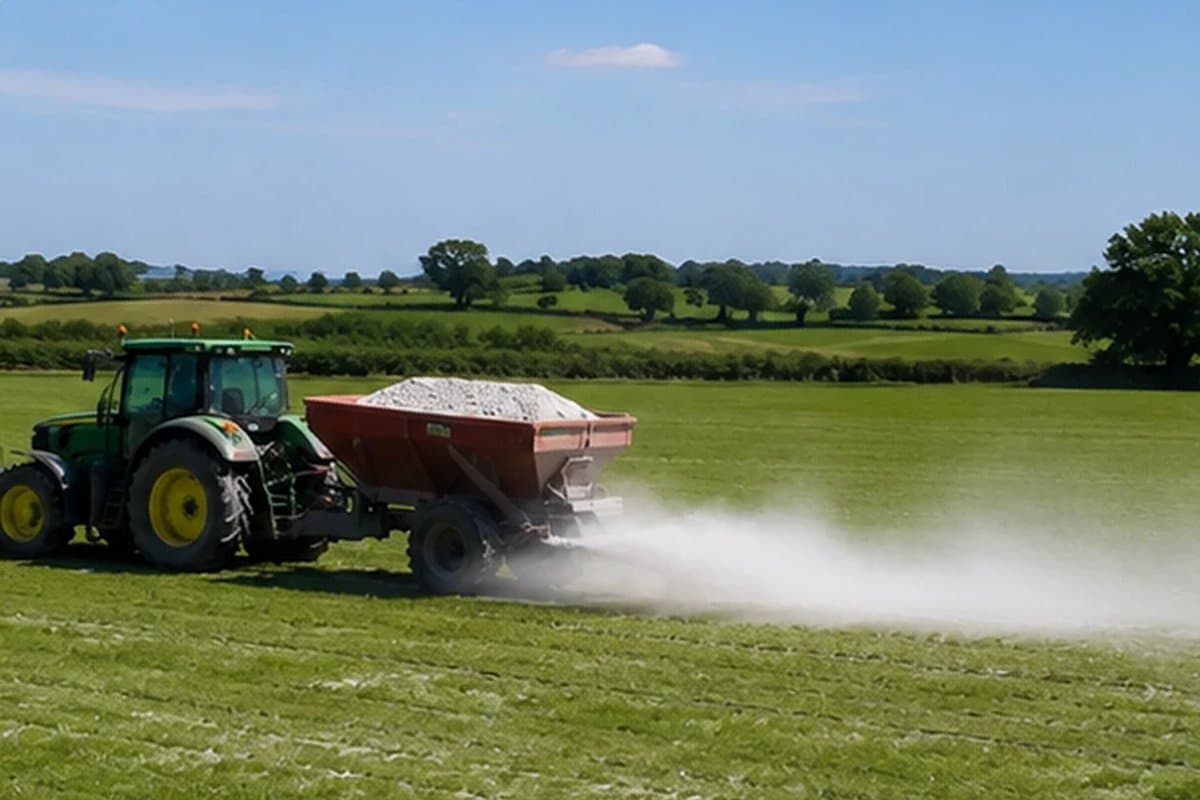
Enhanced rock weathering
Crushed silicate rock reacts with CO2 and stores it as stable bicarbonate and carbonate. A durable removal method with agricultural co-benefits, from about €185 per tonne.
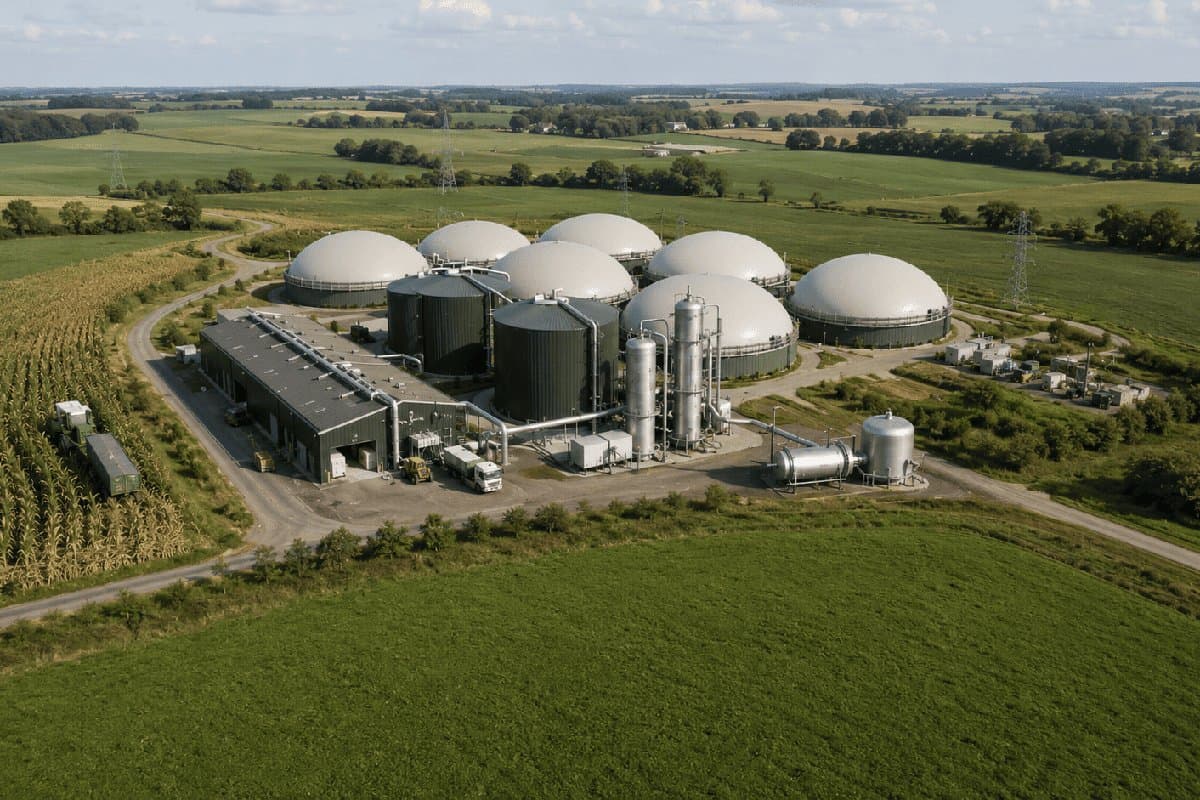
BECCS
Biomass is used for energy or fuel, while the biogenic CO2 released is captured and stored underground. A larger industrial pathway with geological storage.
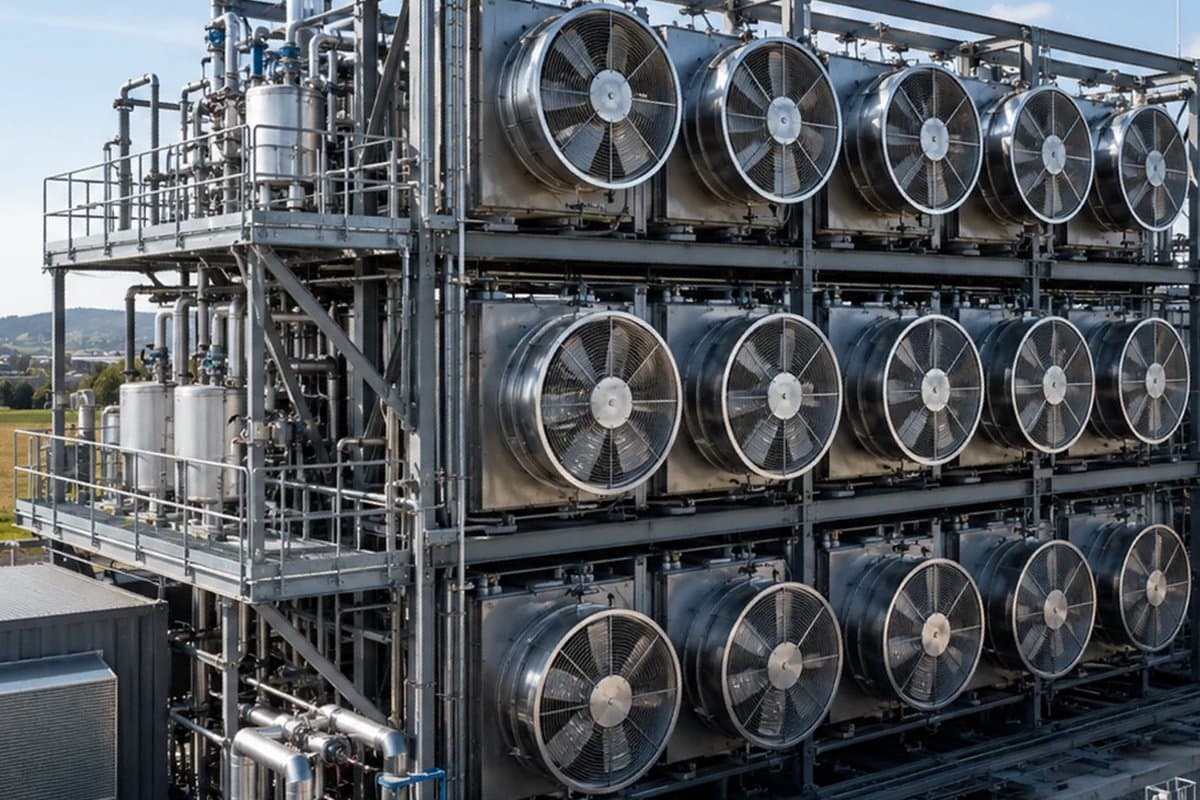
Direct air capture
Chemical filters pull CO2 straight out of the air and store it deep underground, where it turns to stone. The most permanent and most precisely measured removal there is.