
Types and Categories of Projects in the VCM
Carbon Avoidance VS Carbon Removal projects
Within the voluntary carbon market, there are two types of projects that generate carbon credits: avoidance projects and removal projects. These projects aim to reduce or remove greenhouse gas (GHG) emissions from the atmosphere, thereby helping to mitigate climate change.
Carbon Avoidance
Avoidance projects focus on preventing or avoiding the release of greenhouse gas emissions that would have otherwise occurred. These projects typically involve the implementation of cleaner technologies or practices that reduce or eliminate emissions. They aim to avoid emissions by replacing high-emitting activities with low-emitting alternatives. For example, an avoidance project could involve the installation of renewable energy systems like solar panels or wind turbines, which generate clean electricity and displace the need for fossil fuel-based power generation. By avoiding emissions, these projects contribute to reducing the overall carbon footprint.
Carbon removal
Removal projects, also known as carbon sequestration or offset projects, are designed to capture and store or offset greenhouse gas emissions that are already in the atmosphere. These projects involve activities that remove carbon dioxide (CO2) or other greenhouse gases from the air and store them in natural or engineered sinks. Removal projects can include activities such as reforestation (planting trees in deforested areas), afforestation (establishing new forests), or restoring degraded ecosystems. These initiatives enhance the capacity of vegetation and soil to absorb CO2 through photosynthesis, effectively reducing the concentration of GHGs in the atmosphere over time.
“While both types of projects contribute to climate change mitigation, there are differences in terms of their approach. Avoidance projects aim to prevent emissions from occurring in the first place, whereas removal projects focus on capturing and storing emissions that have already been released.”
The carbon credits generated by these projects can be purchased by individuals, organisations, or companies in the VCM to offset their own emissions and demonstrate their commitment to environmental sustainability.
Overall, both avoidance and removal projects play a crucial role in the voluntary carbon market by offering opportunities to invest in projects that help combat climate change, promote sustainable practices, and accelerate the transition to a low-carbon economy.
Projects Categories in the Voluntary Carbon Market
The VCM encompasses various project categories aimed at reducing greenhouse gas emissions. These projects include renewable energy initiatives such as solar and wind power, energy efficiency measures in buildings and industries, afforestation and reforestation efforts, and carbon capture and storage projects. By diversifying their portfolio of carbon offset projects, companies can contribute to different sectors and maximise their environmental impact.
There are various types of projects in the voluntary carbon market, each focusing on different areas of emission reduction or removal.
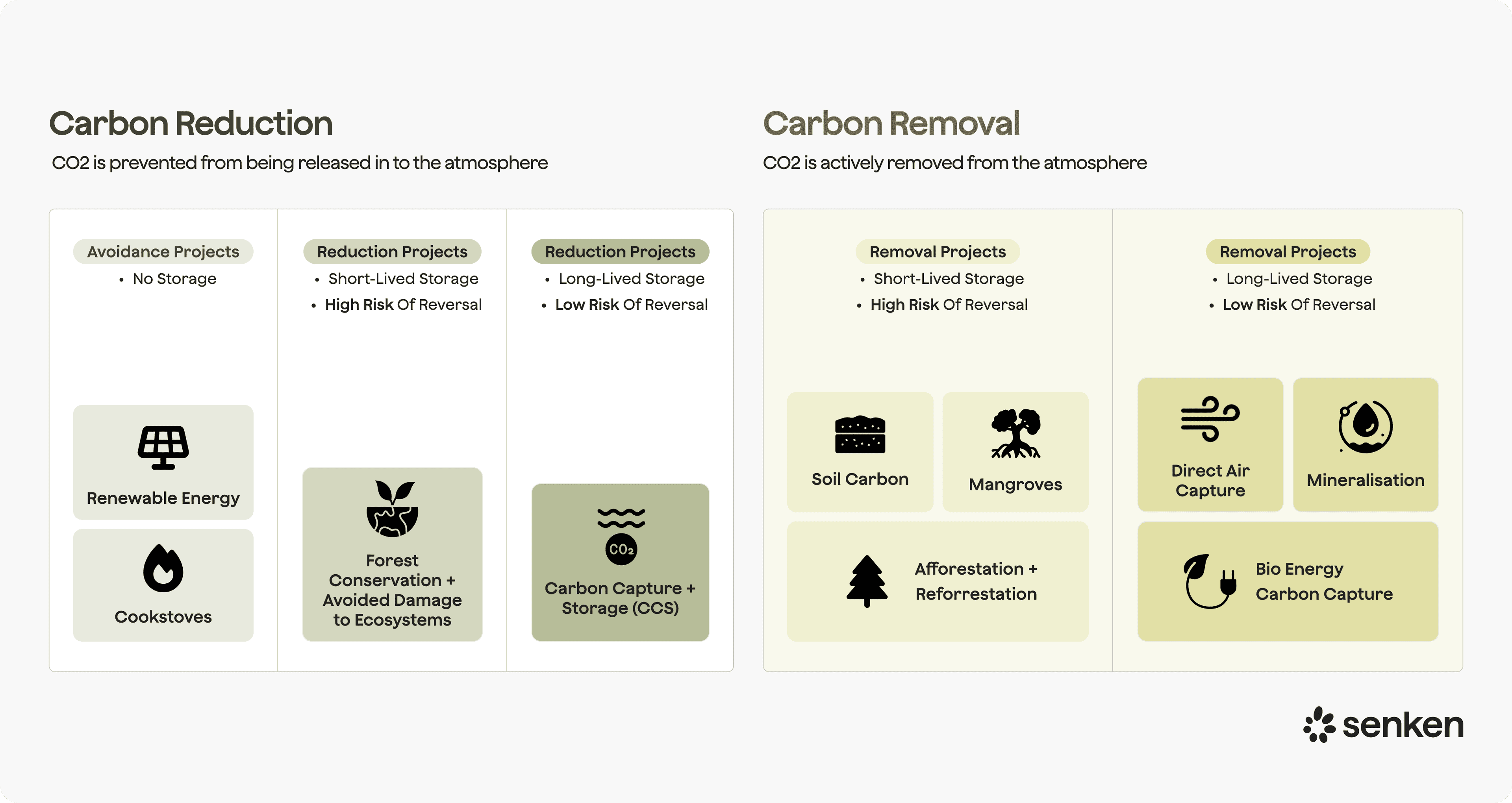
- Renewable Energy Projects: These projects involve generating electricity or heat from renewable sources such as wind, solar, hydro, or biomass. By supporting these projects, carbon emissions associated with fossil fuel-based energy generation can be avoided.
- Energy Efficiency Projects: Energy efficiency projects aim to reduce energy consumption by implementing measures such as upgrading buildings, appliances, and industrial processes. By reducing energy demand, these projects indirectly reduce greenhouse gas emissions.
- Afforestation and Reforestation Projects: These projects involve planting new forests (afforestation) or restoring existing forests (reforestation). Trees absorb carbon dioxide during photosynthesis, making these projects effective in removing CO2 from the atmosphere.
- Methane Capture and Destruction Projects: Methane is a potent greenhouse gas emitted from various sources such as landfills, agriculture, and industrial processes. Methane capture projects collect methane and prevent it from being released into the atmosphere, either by converting it into energy or flaring it.
- Carbon Capture and Storage (CCS) Projects: CCS projects aim to capture CO2 emissions from industrial processes, power plants, or direct air capture technologies, and store them underground or use them for other purposes. CCS helps in reducing the amount of CO2 released into the atmosphere.
- Improved Cookstove Projects: These projects provide cleaner and more efficient cooking stoves to households in developing countries. Traditional cookstoves often burn biomass fuels inefficiently, leading to high emissions. By improving cookstoves you not only reduce emissions but also improve indoor air quality.
- Waste Management Projects: These projects focus on reducing greenhouse gas emissions from waste, including landfill gas capture, composting, and waste-to-energy initiatives. By properly managing waste, these projects prevent the release of methane and other greenhouse gases.