
How to Buy Carbon Credits: A Comprehensive Guide for your Company
A Short Intro to Buying Carbon Credits
Buying carbon credits is not a one-size-fits-all process. Navigating the carbon market and choosing which carbon credits to buy requires a strong understanding of key factors that determine both the effectiveness and value of your investment. When planning a procurement strategy before buying carbon credits, it is essential to understand the fundamentals and how they align with your company's broader sustainability and business objectives.
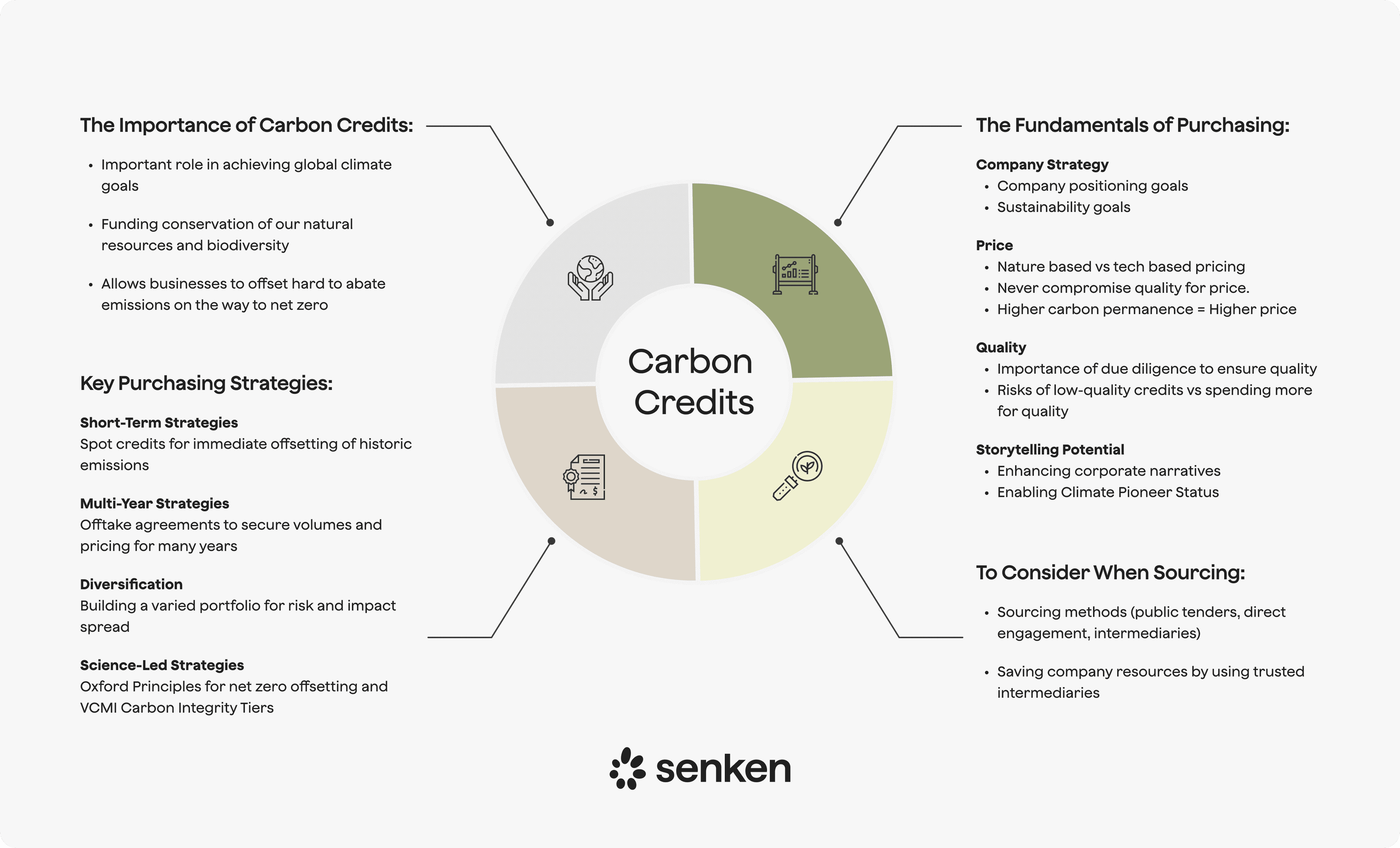
Critical factors to consider when deciding which carbon credits your company should buy include:
- Your company’s strategic goals
- Prices of carbon credits
- Quality of carbon credits
- Storytelling potential of the associated carbon projects
Why should you buy carbon credits?
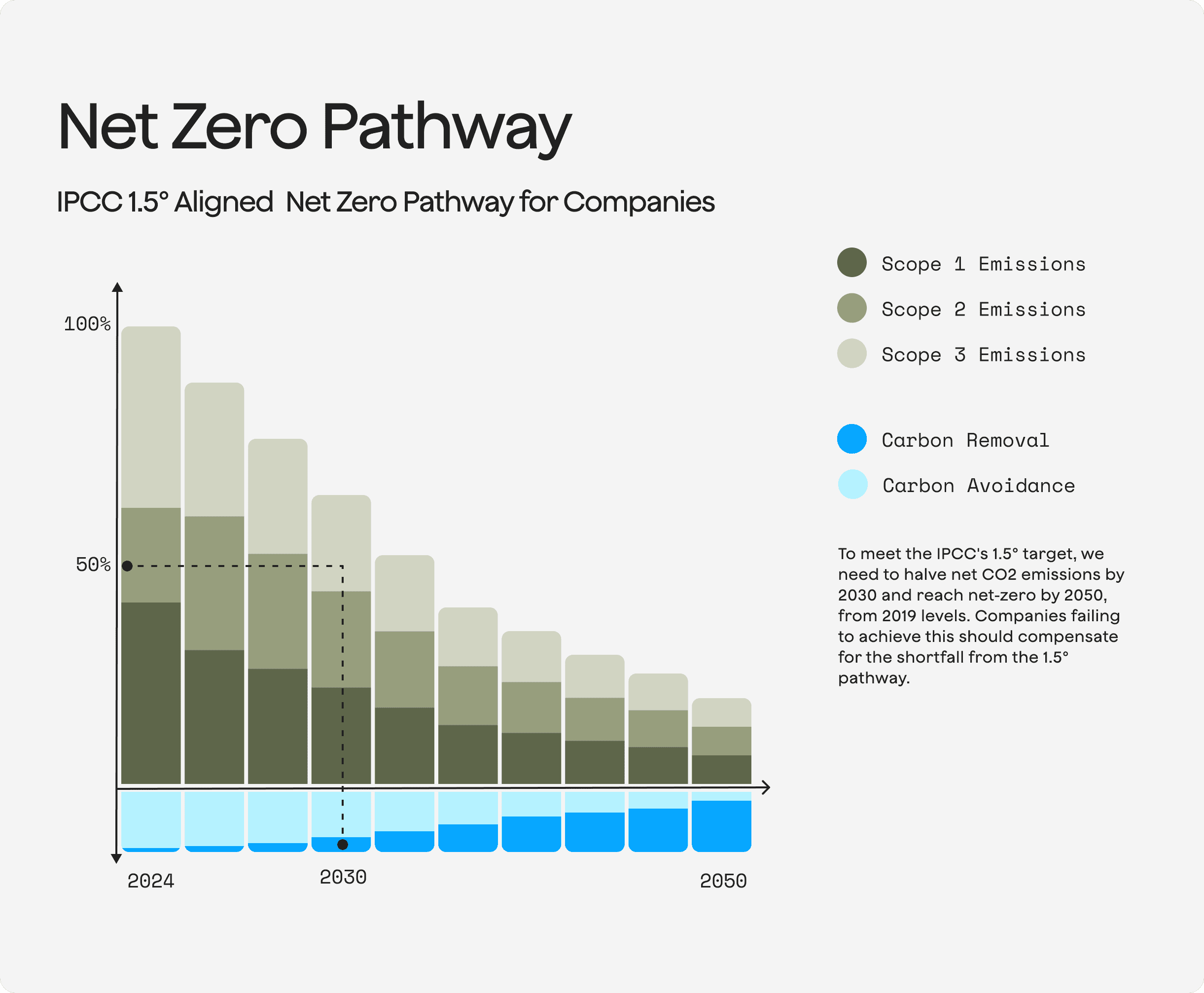
Carbon credits play a crucial role in the global effort to limit global temperature increases to 1.5°C above pre-industrial levels by 2050, a target upheld in the Paris Agreement. According to the agreement, we must reduce the global carbon footprint by 90% by 2050, while also removing at least 40Gt of carbon from the atmosphere within that timeframe, while continuing to eliminate all residual emissions beyond 2050. Achieving this goal is essential to avoid the climate change point of no return, as highlighted by the Intergovernmental Panel on Climate Change (IPCC) which outlines various pathways to meet these targets.
Businesses should always prioritise setting science-based targets and reducing their emissions as much as possible. However, buying carbon credits enables immediate action by providing a means for companies to offset residual emissions that cannot be eliminated through operational changes. Furthermore, buying carbon credits supports broader global efforts to transition towards net zero, especially in regions and industries where decarbonisation is more difficult.
In addition to actively avoiding or removing greenhouse gas emissions, carbon credits also fund the conservation and restoration of natural ecosystems, significantly aiding the communities disproportionately affected by climate change. Furthermore, carbon credit projects provide various co-benefits, providing companies with a fantastic tool for various ESG goals beyond sustainability.
How to buy carbon credits as part of a corporate climate strategy
Buying carbon credits can be a complex process. Navigating the voluntary carbon market's issues and opportunities can provide several potential hurdles due to the risks attached.
It is not enough to simply identify and buy credits that appear to meet your budget requirements. Doing so risks choosing options that may seem cost-effective but lack genuine climate impact, putting you at risk of greenwashing accusations, ineffective climate strategies, and missed opportunities to engage stakeholders.
Your first step should be to understand why your organisation is looking to buy carbon credits in the first place. This will enable you to tie your carbon credit purchase into your overarching sustainability strategy and business goals more effectively.
The reasons for buying carbon credits can generally be divided into business impact and climate impact.
Business Impact of Buying Carbon Credits
- Address unavoidable residual emissions that cannot be reasonably eliminated (achieve net zero).
- Contribute to the United Nations Sustainable Development Goals (SDGs).
- Mitigate risks by securing long-term availability and advantageous pricing in anticipation of future demand surges.
- Craft a powerful narrative around your sustainability efforts.
- Strengthen your company’s reputation as a leader in sustainability.
Climate Impact of Buying Carbon Credits
- Expand climate initiatives in line with the Oxford Principles.
- Support the preservation of biodiversity.
- Encourage the development and adoption of innovative technologies.
- Boost market interest by demonstrating a commitment to carbon projects
- Generate social benefits in key regions (e.g., projects in areas aligned with business operations).
- Invest in projects that offer additional local benefits.
Understanding price differences when buying carbon credits
The pricing of carbon credits can vary significantly between different types of projects.
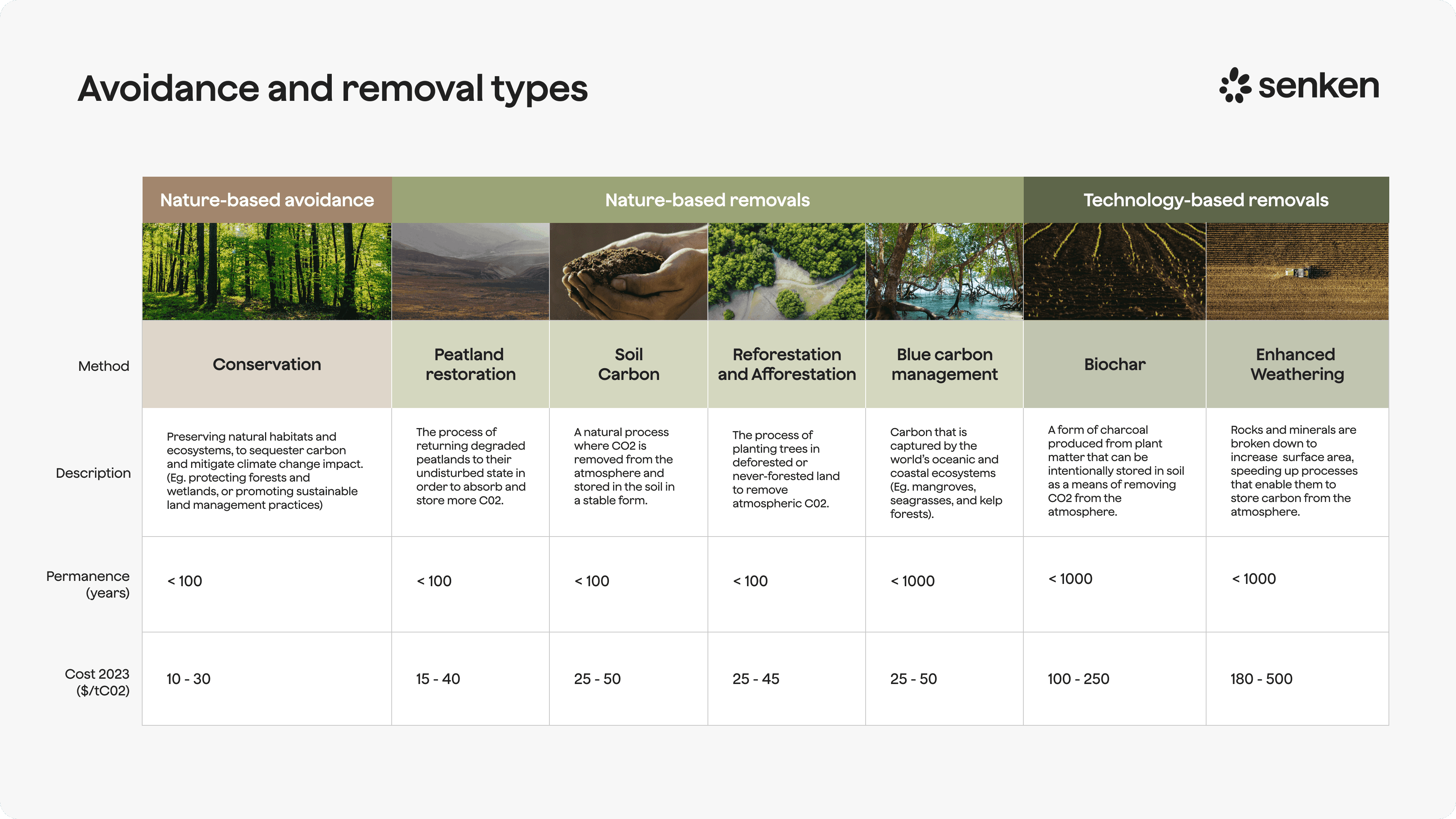
- Nature-based Solutions (NbS) tend to be lower in price. The average price for high-quality NbS credits can range from $20 to $50 per credit.
- Tech-based Solutions (TbS), which make use of innovative technology and engineered solutions to avoid or remove carbon, tend to be more expensive. Credits from these projects generally range from $100 to $500. This is largely due to the high development costs and increased permanence.
Permanence refers to the longevity and durability of emission reductions or removals. The longer a project keeps carbon out of the atmosphere, the better the climate benefits.
Many companies see the benefits of incorporating carbon credits into their sustainability strategies. It empowers them to decarbonise twice as fast. This contributes to global climate goals, mitigating financial risks—particularly given projections that carbon prices could increase sixfold by 2031.
The rising number of companies making net zero pledges is set to increase the demand for carbon credits. Securing credits early using long-term contracts can hedge against future price fluctuations. This allows companies to lock in lower prices for credits needed in future years.
In addition to the direct cost of buying carbon credits, companies must consider any long-term financial impacts that may be tied to a project. For example, projects with higher permanence reduce the risk of reversal (where emissions reductions are lost due to factors like forest fires or political instability), or leakage (where emissions occur due to a project's activities), providing greater security over time. This means that in many cases, paying a higher price for carbon credits can be worthwhile in the long run.
It is essential to ensure that cost savings do not come at the expense of the quality of the carbon credit project. Cheap credits often come from low-integrity projects that do not demonstrate sufficient permanence or climate impact. This can potentially expose your company to greenwashing risks. This is why it is crucial to understand how to identify quality signals in carbon credit projects.
How can you spot high-quality projects when buying carbon credits?
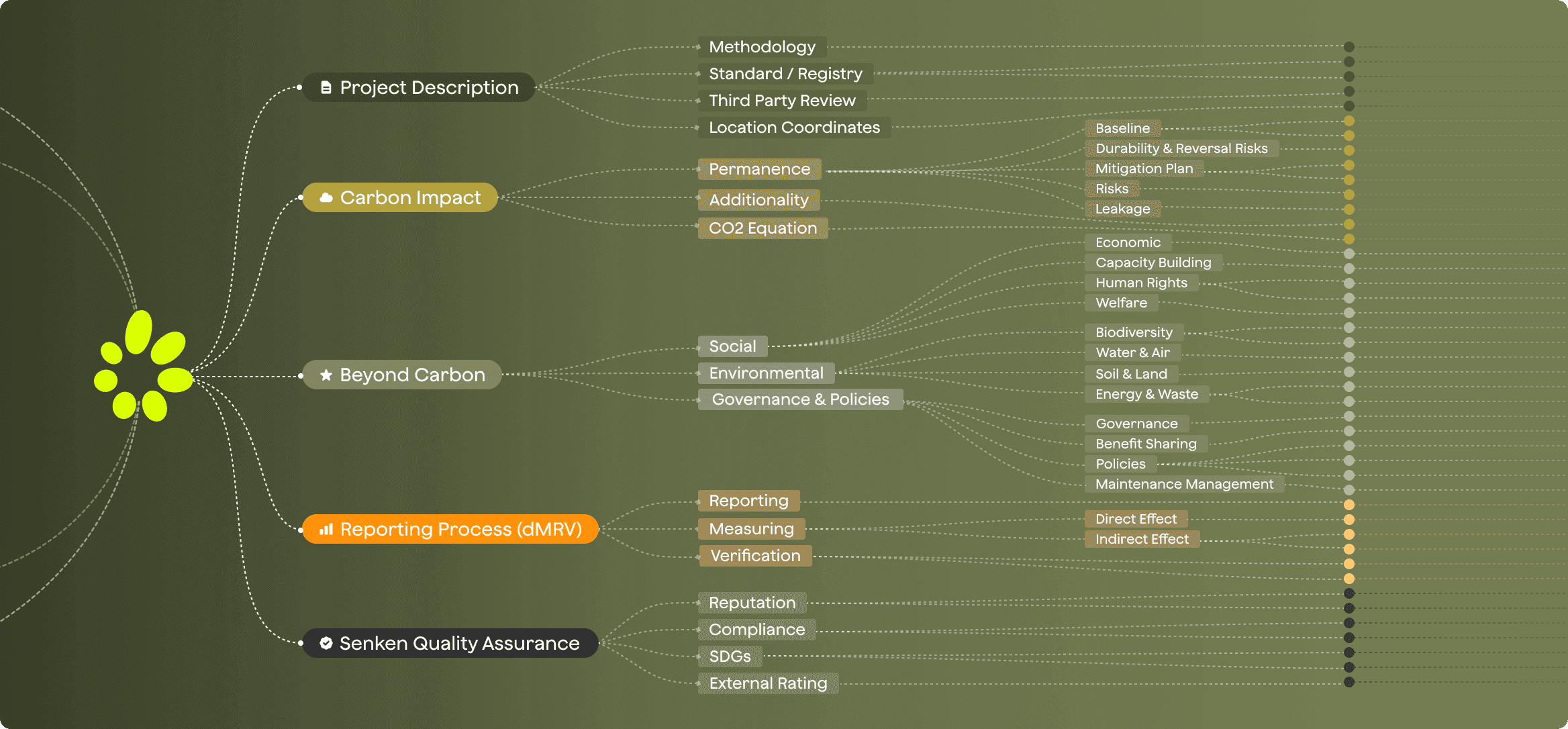
In a nutshell, a project can be considered high quality when its methodology reliably demonstrates the reduction or removal of carbon, as validated by the highest scientific standards. This is done by showcasing project data in a transparent, accessible, and credible manner. High-quality projects also demonstrate clear additionality and permanence, meaning that the project's activities result in real, long-term climate benefits.
Additionality refers to a project showing additional climate benefits that would not have occurred without the project's intervention. In other words, if a project cannot prove additionality, it has no real climate impact.
Companies can also use widely recognised standards such as the ICVCM's Core Carbon Principles (CCP) to assess credit quality. It is also recommended to work with intermediaries who use the CCPs in their due diligence frameworks to mitigate the risks associated with low-quality carbon credits.
Trusted intermediaries include rating agencies such as Sylvera, Renoster, or BeZero who rigorously vet projects and assign ratings based on the above criteria. Senken has also developed Sustainability Integrity Index that critically assesses the quality of carbon credit projects.
Understanding the storytelling potential of climate projects
The main goal of purchasing carbon credits is to achieve net zero or other sustainability targets. However, it’s also worth noting that carbon credit purchases can enhance your company’s reputation and public perception. By supporting projects that highlight climate action, environmental responsibility, and social impact, your company can position itself as a climate leader, strengthening relationships with both stakeholders and customers.
The storytelling potential of a project goes beyond the environmental impact of emission reduction or removal. Companies can leverage their investment in carbon credits to connect with consumers, employees, and investors, demonstrating their commitment to sustainability. A portfolio that combines co-benefits such as biodiversity conservation with support for cutting-edge technologies critical to global net zero targets, provides a narrative that resonates across various stakeholder groups.
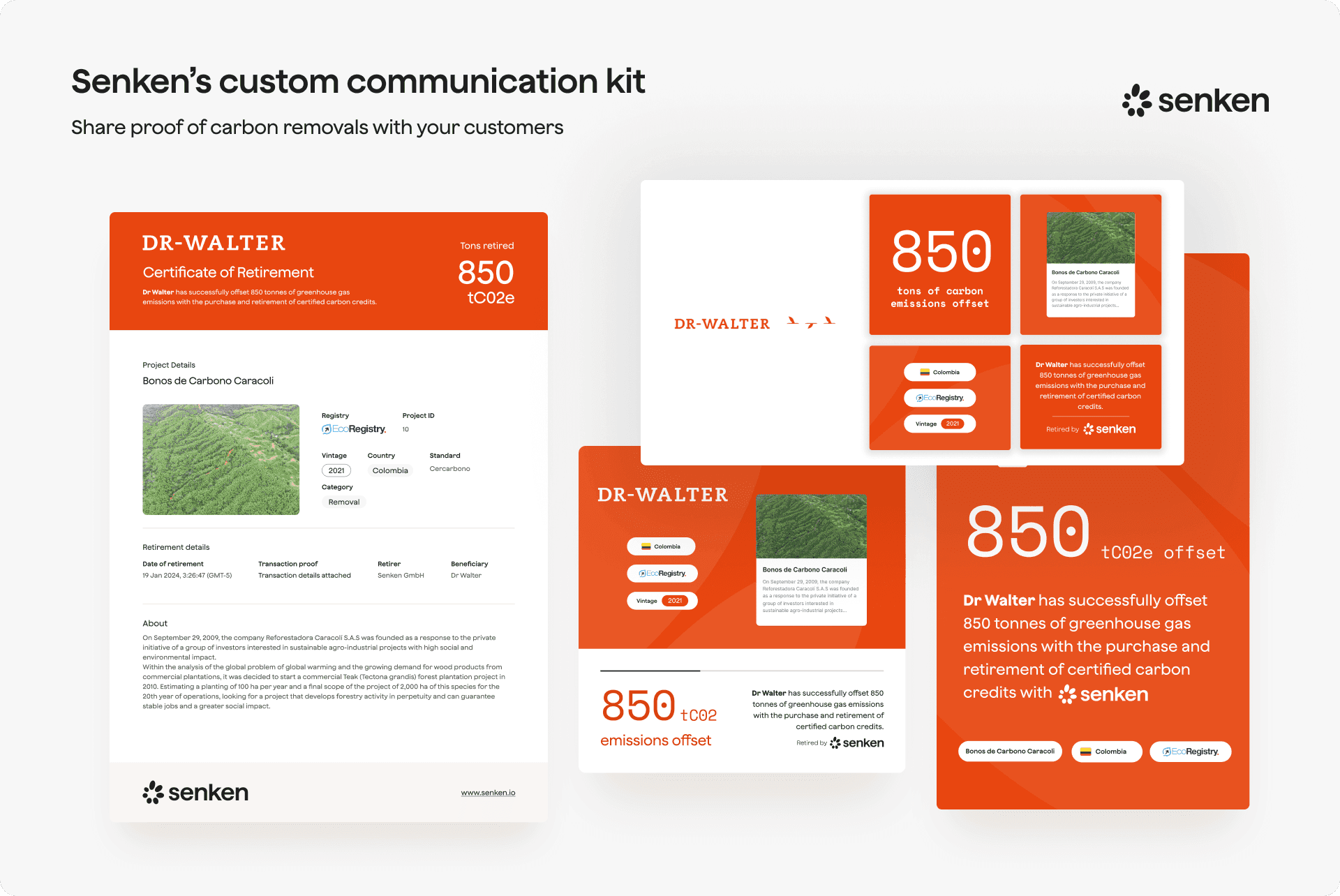
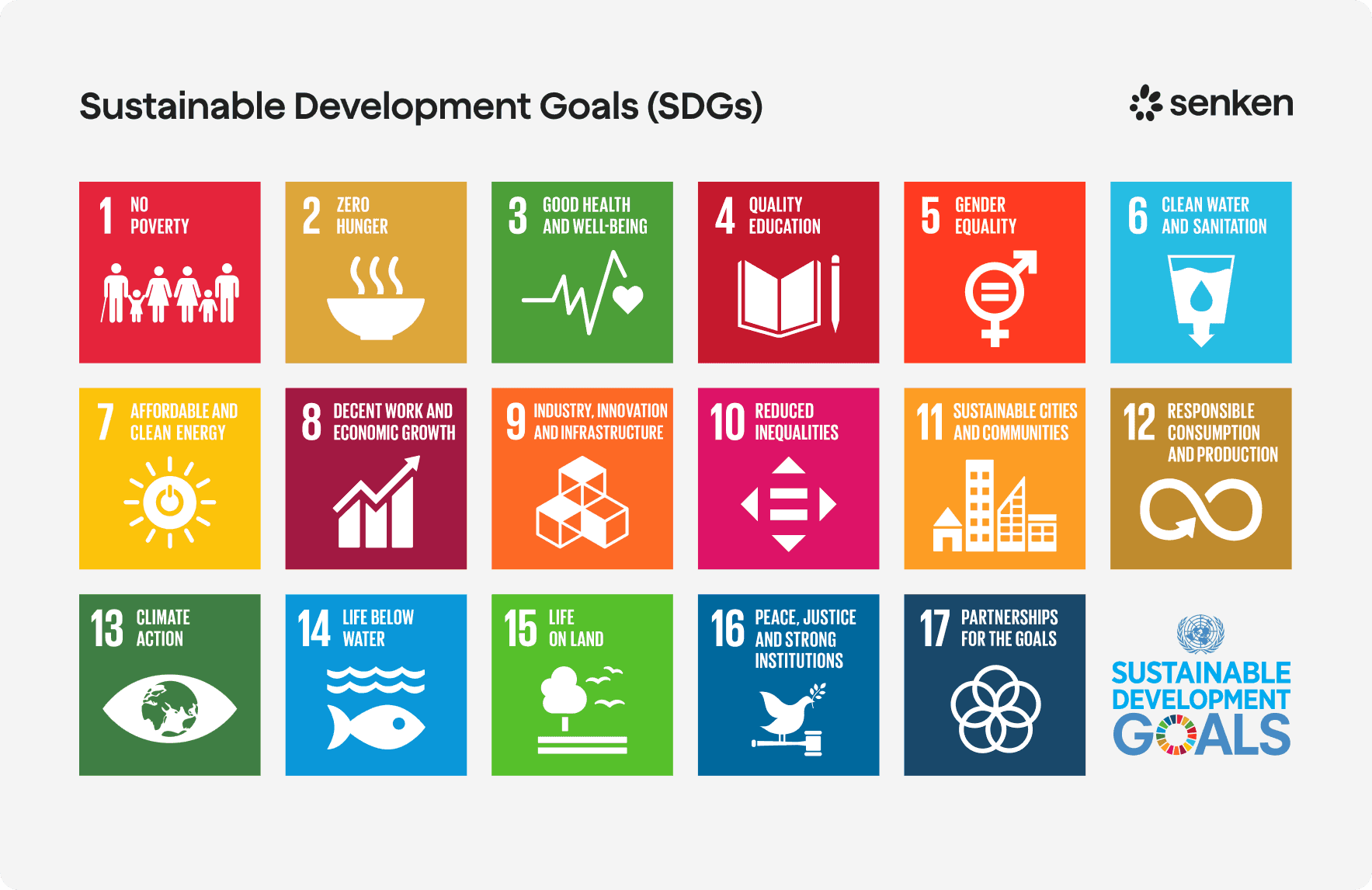
Aligning the credits you buy with the United Nations Sustainable Development Goals (SDGs) can help enhance this narrative. Projects that address SDGs like poverty reduction, clean water, and ecosystem preservation provide companies with more opportunities to tell a broader story of positive global impact.
Strategies for buying carbon credits
When purchasing carbon credits, it’s essential to develop strategies that align with your budget, sustainability objectives, and global climate goals. Some of these strategies include:
- Short-term approaches
- Long-term approaches
- Diversification
- Science-based strategies
Short-Term Strategies
Short-term strategies for buying carbon credits involve purchasing spot credits to offset emissions.
Spot credits come from projects that have already achieved emissions reduction/removal. This means that these credits are available for immediate purchase, and companies can use them to offset emissions in the current year while working on longer-term strategies.
A company can buy enough spot credits to cover both current and future emissions, but this approach comes with certain risks.
Benefits of using a short-term spot credit strategy:
- Can cover both current and future emissions with enough spot credits.
- Minimises risks of overcommitting with short-term strategies.
- Gains insight into market impact on carbon footprint and sustainability reputation.
Potential downsides of using a short-term spot credit strategy:
- Risk of purchasing too few or too many credits to compensate for future emissions.
- Double-counting of older credits in short-term deals.
- Exposure to market volatility.
- Repeating the sourcing, due diligence, and procurement processes requires additional financial resources.
Multi-Year Strategies
This strategy involves purchasing carbon credits in advance to offset emissions for multiple years. Credits can still be used to offset past emissions, but the strategy revolves around securing agreements with projects to receive credits over multiple years through offtake agreements.
How it works:
- Companies collaborate with intermediaries or project developers to secure agreements for a set amount of carbon credits over two years or longer.
- This long-term investment in sustainable projects ensures security in both price and volume.
- It allows companies to align their carbon credit usage with net zero and long-term sustainability goals.
Advantages of buying carbon credits using offtake agreements:
- Offtakes allow for streamlined carbon credit procurement by doing work for several years in one go. Purchasing spot credits annually can lead to inefficient use of time and resources. The repetitive nature of spot transactions often results in double work that could be avoided with a single multi-year offtake agreement.
- The demand for credits is projected to overtake the supply of high-quality carbon credits, making offtake agreements crucial for securing long-term access to scarce credits.
- Locking in prices using offtakes provides certainty. This mitigates the risk of price fluctuations, resulting in long-term cost savings and more accurate financial forecasting.
Risks of buying carbon credits using offtake agreements:
- Projects may not always deliver on the promised quality, schedule, or credit volumes.
- There is a possibility that prices may decrease, affecting financial plans. However, based on current projections, this is quite unlikely in the majority of projects.
Portfolio diversification
A carbon credit portfolio is often treated in the same manner as a financial portfolio. This means that it can often be a good idea to diversify your climate investments to alleviate the potential risks. Diversification also offers more opportunities to achieve a wider variety of climate, social, and environmental impacts, which can aid additional ESG goals.
Your company’s sector, budget, and sustainability goals will all influence the composition of your portfolio. For example, a tech company with lower emissions and higher profit margins might opt for a predominantly tech-based carbon removal portfolio. This would align with ambitious net zero targets and the company’s industry trends.
Diversification also allows companies to spread their risk across different geographic regions and project types. For example, including both forestry projects and technological carbon removal projects can balance short-term environmental gains with long-term carbon storage potential.
Science-Led Strategies
Aligning your carbon credit procurement strategy with science-based approaches ensures your company follows best practices. Two of the leading science-led strategies are:
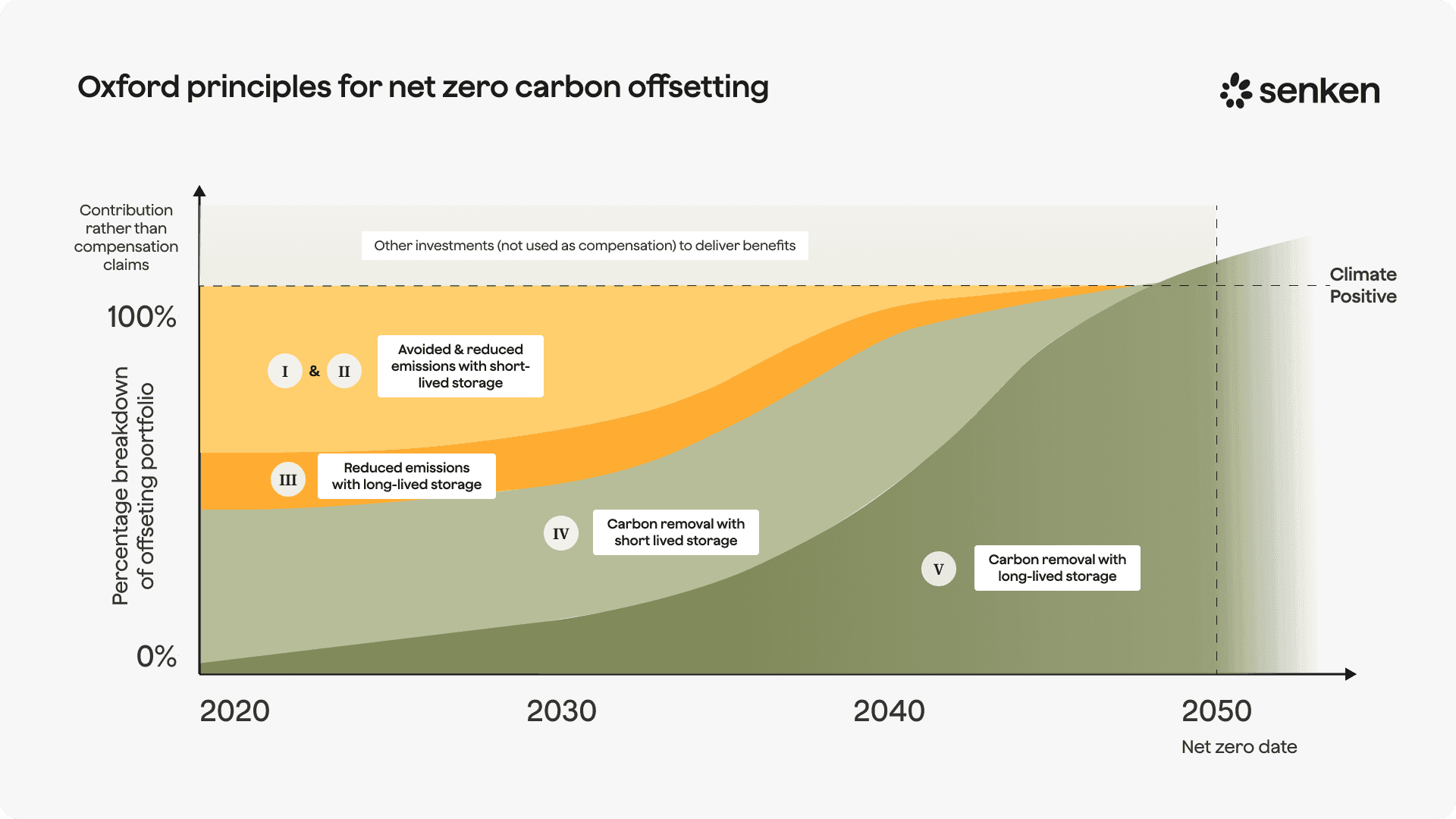
- The Oxford Principles for Net Zero Carbon Offsetting
- The VCMI Claims Code of Practice
- WWF’s Money-for-Tonne approach
The Oxford Principles for Net Zero Carbon Offsetting were developed by the University of Oxford. These guidelines help companies, governments, and cities create credible net zero commitments. The principles recommend:
- Emission Reduction: Focus on reducing emissions first, with offsets as a secondary tool.
- Integrity and Quality of Offsets: Choose high-quality, low-risk carbon removal offsets that guarantee long-term environmental benefits.
- Support for Innovation: Invest in innovative carbon removal technologies to keep pace with evolving best practices.
The Claims Code of Practice by the Voluntary Carbon Markets Integrity Initiative (VCMI) helps companies make impactful climate action decisions through voluntary carbon credits. This is done in part through guidance on how much credits a company should buy and how to receive recognition for this. Companies aligning with the VCMI's Carbon Integrity Tiers can achieve the following badges:
- Silver: Retire 10% to <50% of residual emissions.
- Gold: Retire 50% to <100% of residual emissions.
- Platinum: Retire 100% or more of your footprint.
Only high-quality carbon credits can be recognised for these badges, as defined by the Integrity Council for the Voluntary Carbon Market (ICVCM). Senken’s due diligence framework is built on these principles to ensure maximum confidence for our clients.
Things to consider when buying carbon credits
The first decision that companies wishing to purchase carbon credits need to make is how to source them. Options include:
- Engaging in a public tender process.
- Directly approaching project developers.
- Relying on trusted intermediaries to manage the complexities for you.
Here are a few important things to consider when deciding which approach is right for you:
- Identify project developers or intermediaries whose projects align with the key quality principles outlined above.
Working with Intermediaries who are experts in carbon credit quality control, understanding varying corporate and sustainability goals and having access to a supply of high-quality credits has become most companies’ go-to approach. This is why Senken has developed a robust due diligence framework and formed partnerships with Germany’s top climate projects to form the Deutschland Portfolio. German companies can now make a local impact, achieve any of their goals and tell a story about how they are making a true difference for the future of our planet.
- Assess the transparency and reliability of the sourcing process and the stakeholders involved. While public tenders may offer competitive pricing, they can be time-consuming and complex, with varying levels of transparency to factor in.
- Directly approaching project developers requires thorough due diligence to ensure credibility and alignment with your sustainability goals.
- Take into account the ongoing monitoring and reporting requirements. Handling this independently or through public tenders can introduce significant complexity, especially when managing credits from multiple sources.
- Ensure you have access to up-to-date market data and pricing trends. Sourcing directly from developers or tenders may limit your insight into real-time market conditions, making it more challenging to secure the most impactful and strategic credits for your portfolio.
Sourcing credits through Senken streamlines the process and connects you with rigorously vetted projects, ensuring transparency, quality, and measurable impact. This means that there is no need to dive deep into understanding carbon projects, conduct extensive due diligence, or negotiate pricing. Senken handles long-term offtake agreements, manages buffer pools, ensures alignment with the Oxford Principles, and oversees the ongoing management, monitoring, and reporting of your carbon credit portfolio.
How to avoid the potential risks of buying carbon credits
Buying carbon credits can present investors with transaction challenges. Some of the main risks include:
- Lack of real environmental impact
- Reputational damage and accusations of greenwashing
- Regulatory and compliance risks, especially as governments worldwide are tightening carbon accounting standards
- Financial risks, as companies may have to reinvest in higher-quality credits, if initially purchased projects underperform
- Potential delays or derailment of genuine emissions reduction efforts, particularly if low-quality credits distort progress toward net zero goals
Things to keep in mind to mitigate the risks associated with buying carbon credits
Navigating carbon markets presents several challenges for companies looking to buy carbon credits, from complex transaction setups to ensuring the quality of credits. Here are some common hurdles and considerations to keep in mind:
- Transaction Complexities: The lack of standardised contracts can make transactions cumbersome. By using customisable, industry-approved contracts, companies can address these issues more effectively.
- Data Fragmentation: Screening and understanding the global supply of credits can be resource-intensive, especially given the fragmented nature of market data. Dedicated resources and scientific expertise are often necessary to track high-quality credits amidst market uncertainty.
- Quality Frameworks: With various non-regulatory and regulatory frameworks coexisting, identifying credits that meet corporate sustainability goals can be difficult. Following due diligence frameworks, such as those aligned with ICVCM’s Core Carbon Principles, can help ensure that only high-quality credits are integrated into a company’s portfolio.
- Portfolio Management: Managing carbon credits across multiple accounts can be time-consuming for sustainability teams, especially when existing tools are limited. Streamlining these processes can significantly enhance the efficiency of managing carbon credit investments.
In order to clear these hurdles, it is vital for your company to utilise intermediaries whose very offerings have been built to clear these hurdles, adding transparency and trust in your carbon credit investment endeavours. (source- BCG report)
These challenges have driven Senken to develop products and services that help companies achieve climate mitigation and emissions management success. Companies can make use of these tools and expertise to simplify the complexities of buying carbon credits and become climate leaders in their field.
These challenges have driven Senken to develop products and services that help companies achieve climate mitigation and emissions management success. Companies can make use of these tools and expertise to simplify the complexities of buying carbon credits and become climate leaders in their field.
Key Takeaways
Sourcing carbon credits is a strategic step for companies aiming to meet their sustainability goals, but it requires careful consideration of factors like price, quality, and long-term impact. By following science-led strategies and ensuring diversification, companies can build a portfolio that aligns with both their environmental objectives and financial goals. Sourcing through Senken simplifies the process and ensures transparency, quality, and ongoing support, making it easier for your company to navigate the complexities of the carbon market.
- A strategic step for sustainability: Sourcing carbon credits is essential for companies committed to achieving their sustainability goals.
- Key considerations: Factors like price, quality, and long-term impact must be carefully evaluated to ensure effective carbon credit procurement.
- Science-led strategies: Utilising science-based methods and diversifying credit portfolios can help align environmental and financial objectives.
- Simplified sourcing with Senken: Partnering with Senken streamlines the carbon credit sourcing process, offering bespoke portfolios, transparency, quality, and continuous support.
- Navigating market complexities: Senken's approach makes it easier for companies to tackle the challenges of the carbon marke